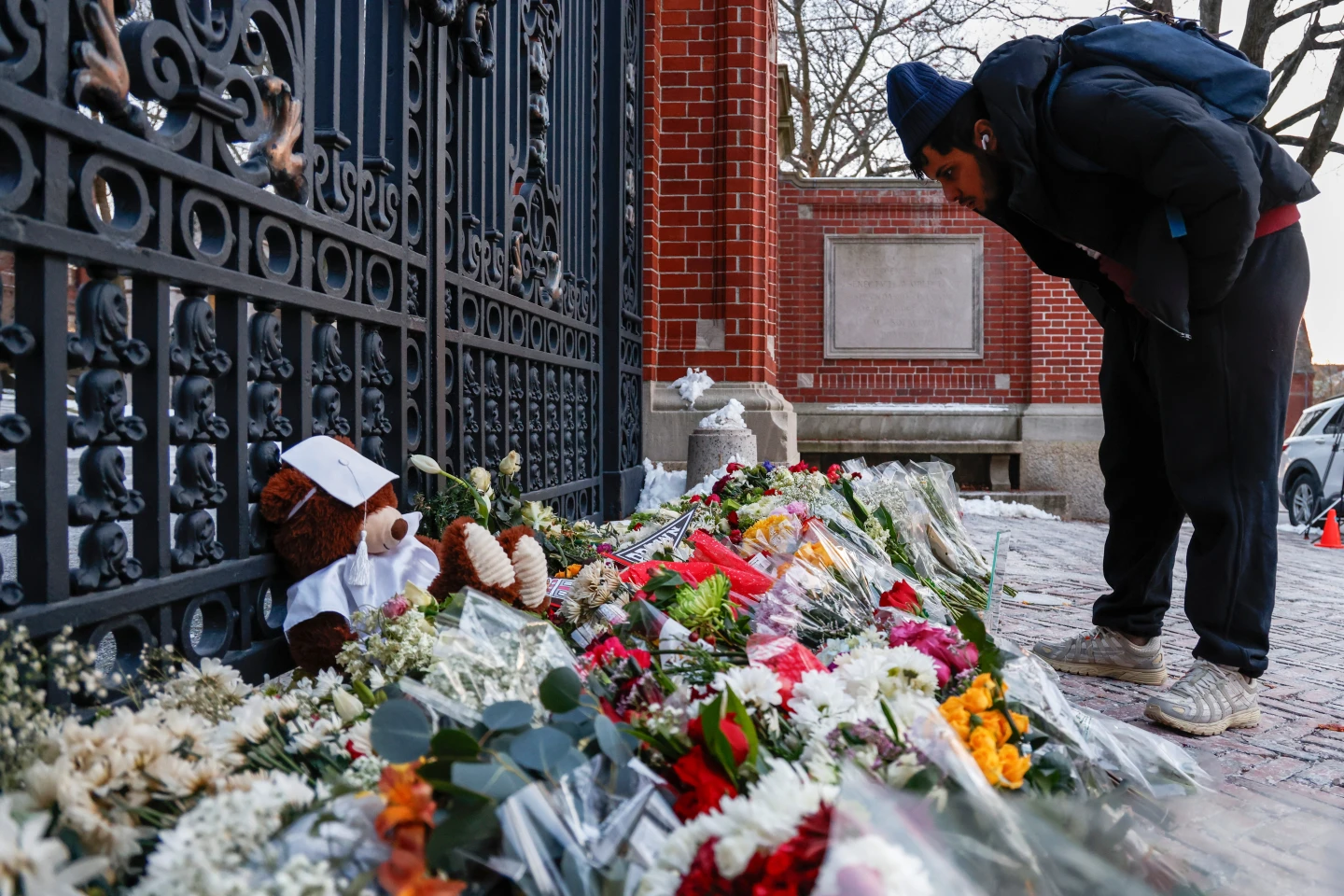
PROVIDENCE, R.I. — Following a mass shooting at Brown University that left two students dead and nine injured during a chaotic exam period, questions abound regarding the effectiveness and readiness of campus security measures. A suspect originally taken into custody was released due to lack of evidence, prompting investigators to seek new leads from limited available security footage.
On social media, students expressed their growing frustration with the shortcomings in surveillance, particularly in the Barus and Holley building, where the shooting occurred. The fact that we’re in such a surveillance state but that wasn’t used correctly at all is just so deeply frustrating, voiced Li Ding, a student at the Rhode Island School of Design.
A Call for Action
In response to the tragic event, students have organized a petition urging the university to ramp up security across campus. Ding asserted, Students are taking care of each other better than the police,” amplifying calls for comprehensive safety strategies.
The Investigation
Providence Police and the FBI have described the investigation as 'painstaking work', as they document bullet trajectories and gather evidence from witnesses. A reward of $50,000 has been offered for information leading to the identification of the shooter, appearing in newly released video footage.
Despite Brown University's extensive surveillance infrastructure, security experts suggest college campuses can be at a disadvantage when responding to life-threatening threats. Funding for campus police departments is not typically a priority, noted Terrance Gainer, a former law enforcement official.
Campus Alert System Flaws
While the university managed alerts regarding the active shooter situation, the transition from a mobile app to a web-based alert system caused confusion. Many residents, including Emely Vallee, reported receiving no notifications, relying heavily on social media and news outlets for updates during the crisis.
The Community's Resolve
Amidst the chaos and uncertainty, the Brown University community stands united in its demand for a safer learning environment. Efforts to improve surveillance, training, and communication protocols are becoming imperative for reducing risks in future scenarios.