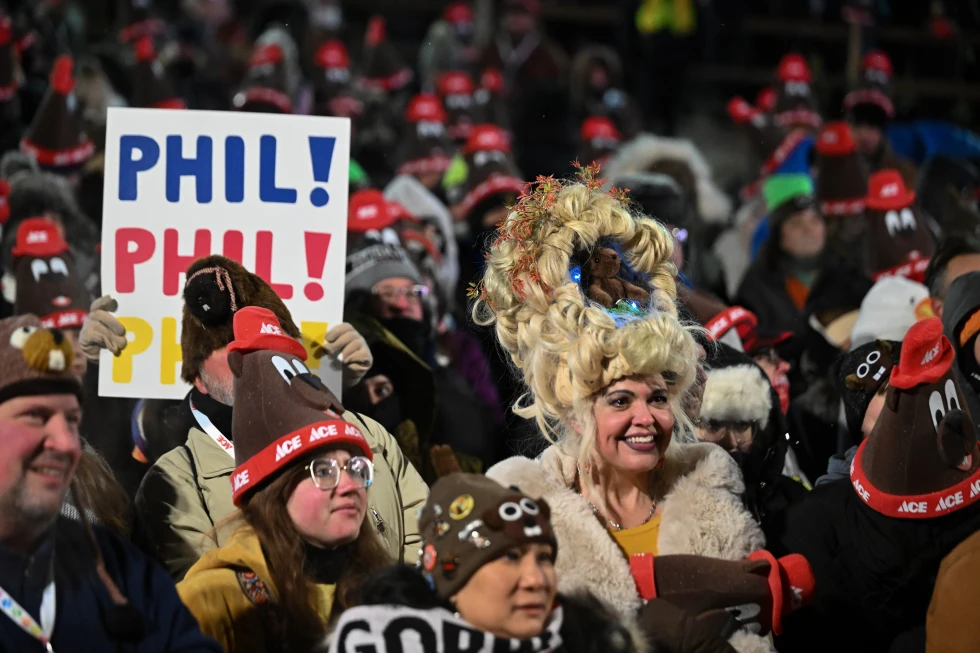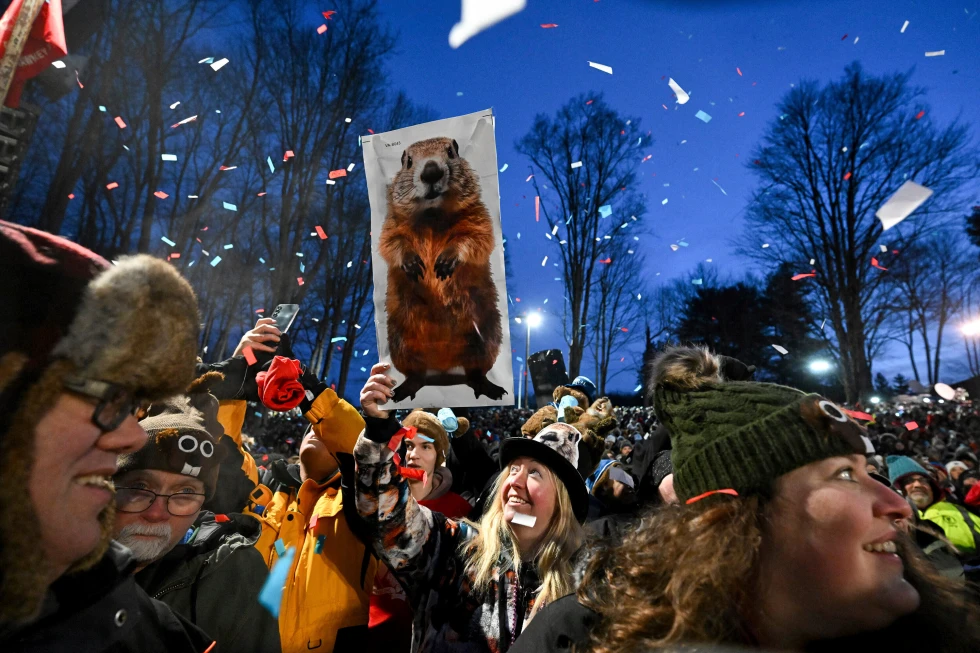
The festivities for Groundhog Day are set to commence on February 2, as Punxsutawney Phil prepares to deliver his annual weather prediction at Gobbler's Knob in Pennsylvania. This quirky tradition invites tens of thousands of participants, eager to discover whether Phil will forecast six more weeks of winter or the promise of an early spring.
Phil's prediction is delivered through a unique form of communication known as groundhogese, interpreted by his handlers from the Punxsutawney Groundhog Club. This lighthearted event, rooted in German culture, has evolved substantially since its inception in the 1880s when Pennsylvania Germans began celebrating by picnicking and hunting groundhogs.
Awash in colors and festivities, Groundhog Day is not merely a ceremony. It reflects a crucial cultural celebration, reminding us of the deep ties communities have with their traditions and even the natural world. People are encouraged to engage with nature during this midpoint between winter and spring, showcasing the importance of ecological awareness amidst revelry.
“Groundhog Day is about connection and community,” explains local organizer Dan McGinley, reflecting on how the event fosters unity while poking fun at the often absurd nature of weather predictions. Participants are drawn from various walks of life, eager to either ride the wave of optimism for spring or indulge in the nostalgia of winter's grip.
With modern adaptations, the events surrounding Groundhog Day continue to grow, with numerous alternative weather prognosticators joining in the fun. The charming blend of enjoyment in folklore and celebration unites people in appreciation for the lighter aspects of life.