Across America, diverse groups, particularly those rooted in indigenous and local traditions, are taking actionable steps to repair the social fabric fraying due to rising loneliness. Reports indicate that social isolation and disconnection have reached unprecedented levels, with a significant portion of the population, especially young adults, citing feelings of loneliness.
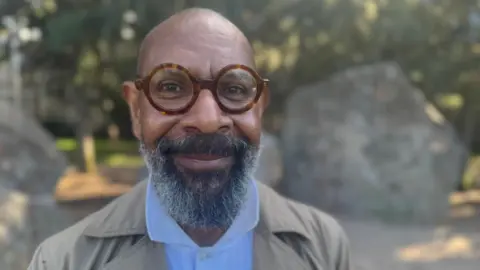
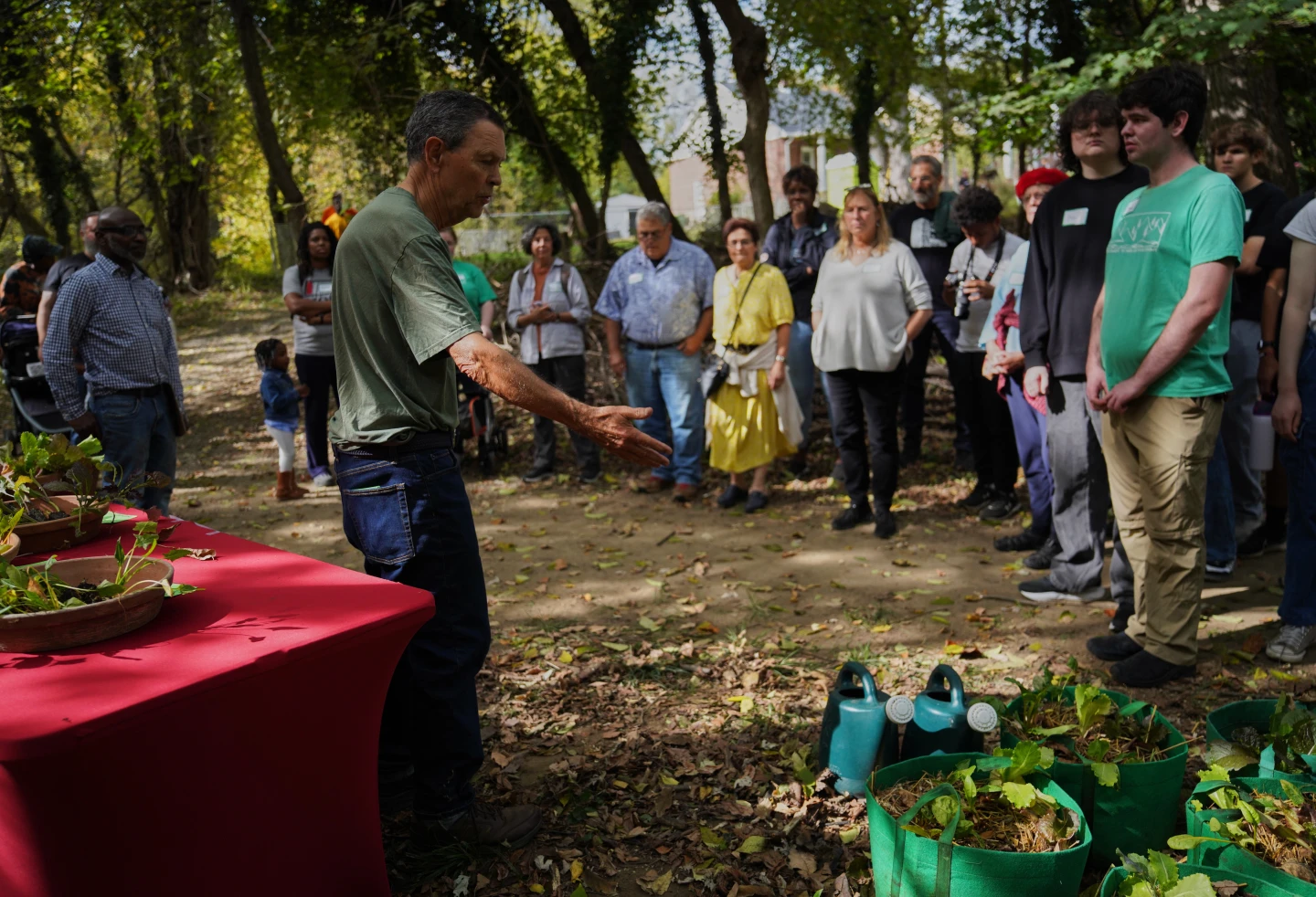
In Baltimore, residents have begun fostering community through backyard farming and organized gatherings, enhancing both personal relationships and environmental stewardship. Ulysses Archie, who faced struggles of his own, founded the Baltimore Gift Economy, which focuses on relational giving rather than transactional assistance, as a means to foster community ties.
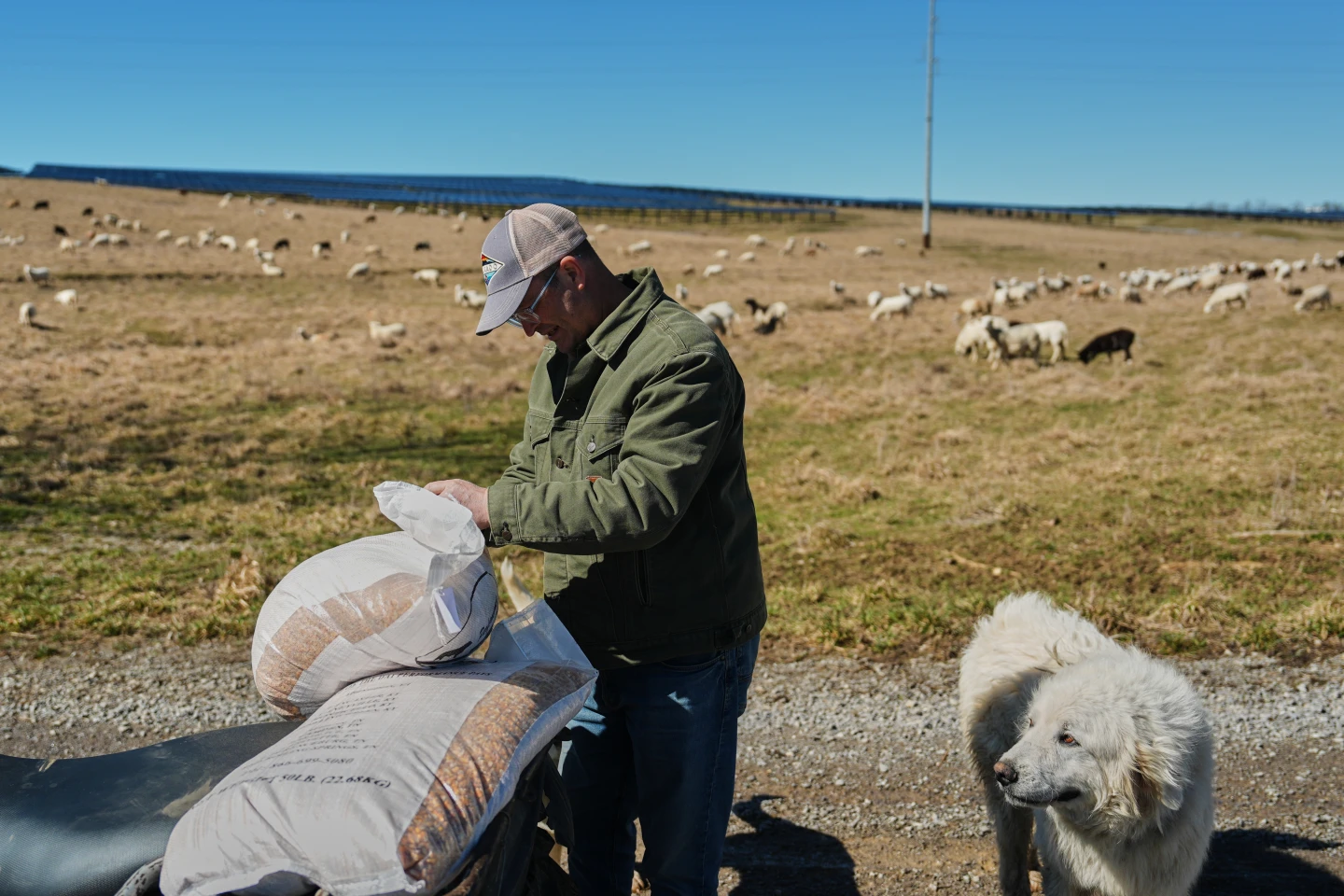
Similarly, communities in Kentucky are working to strengthen their bonds while promoting sustainable agricultural practices. By collaborating as a cooperative, small farmers are not only ensuring their own livelihoods but also reinforcing local connections. Mary Berry of the Berry Center articulated that with support, people and land can naturally heal, resonating with the need for communal strength in rural areas.
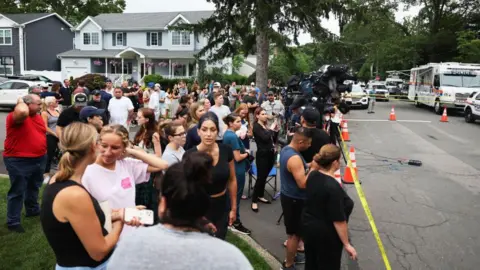
In Pittsburgh, community-building initiatives are reaching marginalized neighborhoods, combining public health with social support. Rev. Paul Abernathy highlights the significance of building relationships for community healing, a principle apparent in their trauma-informed services that offer emotional and practical support to residents in need.
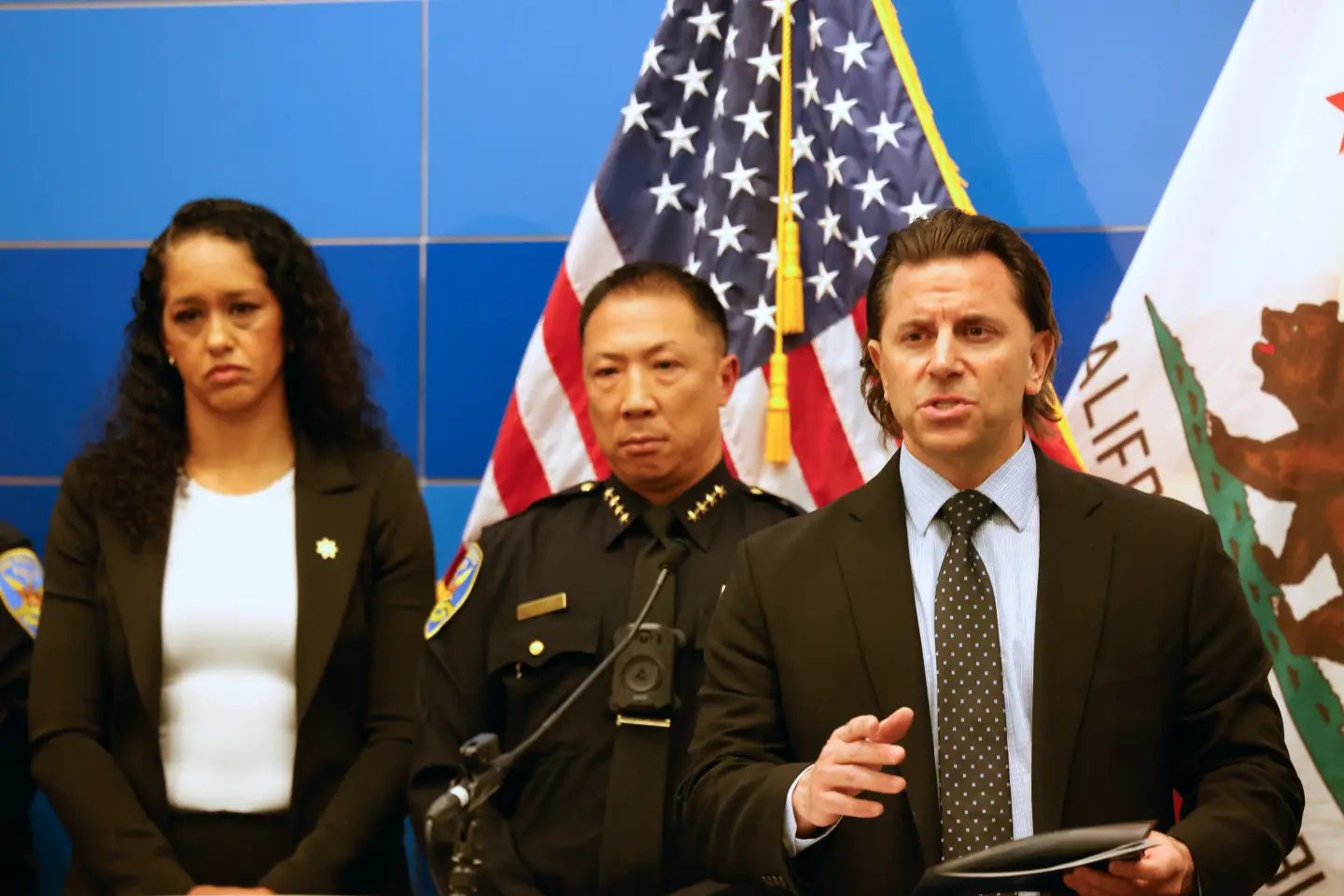
These grassroots movements underline a broader ‘connection’ strategy as central to healing the wounds of loneliness. To combat the epidemic, leaders like Vivek Murthy advocate for a collective effort to accelerate these initiatives. The commitment to fostering connections reflects an understanding of the vital role community plays in individual and collective well-being.
In Baltimore, residents have begun fostering community through backyard farming and organized gatherings, enhancing both personal relationships and environmental stewardship. Ulysses Archie, who faced struggles of his own, founded the Baltimore Gift Economy, which focuses on relational giving rather than transactional assistance, as a means to foster community ties.
Similarly, communities in Kentucky are working to strengthen their bonds while promoting sustainable agricultural practices. By collaborating as a cooperative, small farmers are not only ensuring their own livelihoods but also reinforcing local connections. Mary Berry of the Berry Center articulated that with support, people and land can naturally heal, resonating with the need for communal strength in rural areas.
In Pittsburgh, community-building initiatives are reaching marginalized neighborhoods, combining public health with social support. Rev. Paul Abernathy highlights the significance of building relationships for community healing, a principle apparent in their trauma-informed services that offer emotional and practical support to residents in need.
These grassroots movements underline a broader ‘connection’ strategy as central to healing the wounds of loneliness. To combat the epidemic, leaders like Vivek Murthy advocate for a collective effort to accelerate these initiatives. The commitment to fostering connections reflects an understanding of the vital role community plays in individual and collective well-being.