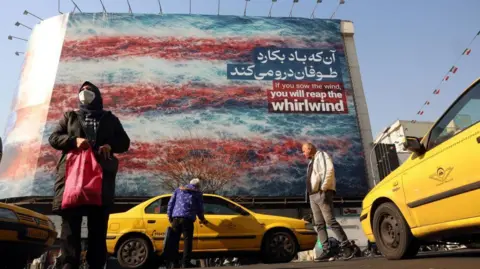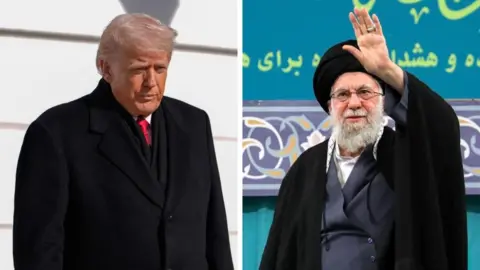
The US appears poised to strike Iran within days. While the potential targets are largely predictable, the outcome is not. If no last-minute deal can be reached with Tehran and President Donald Trump decides to order US forces to attack, several scenarios could unfold.
1. **Targeted, surgical strikes, minimal civilian casualties, a transition to democracy**: The US conducts precision strikes targeting military bases and Iran's nuclear program. An already weakened regime topples, allowing a transition to democracy. However, historical precedents show that Western military intervention doesn’t easily lead to stable democracies.
2. **Regime survives but moderates its policies**: A model similar to Venezuela, where swift US action leaves the regime intact, yet compels it to moderate its support for militias and its nuclear program. This scenario is seen as less likely given Iran’s history of defiance.
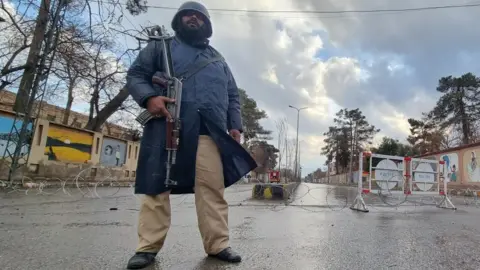
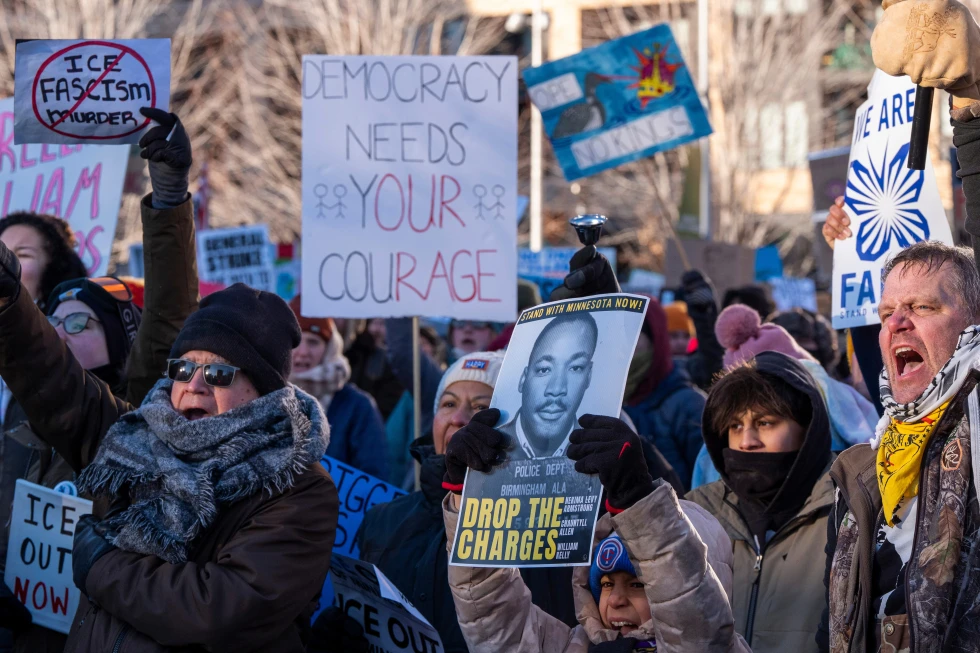
3. **Regime collapses, replaced by military rule**: A likely outcome given the regime's unpopularity and protests. A security deep state could fill the power vacuum, leading to rule by military figures from the IRGC.
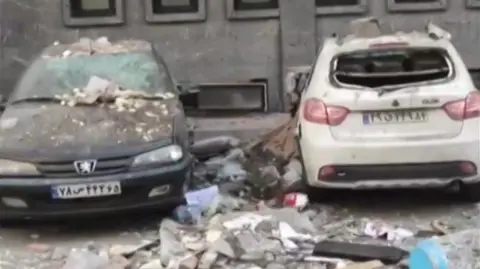
4. **Iran retaliates by attacking US forces and neighbors**: Iran has threatened retaliation, potentially using its arsenal of missiles to target US bases and infrastructure in allied nations, raising alarm in the Gulf region.
5. **Iran retaliates by laying mines in the Gulf**: Historically, Iran has mined critical shipping lanes, threatening global oil supplies. This poses a severe risk to international trade and energy security, especially through the Strait of Hormuz.
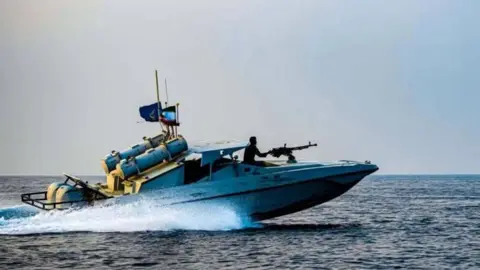
6. **Iran retaliates, sinking a US warship**: A swarm attack with drones and fast boats could overwhelm US defenses, leading to significant loss of life and a potential military confrontation.
7. **Regime collapses, replaced by chaos**: The most feared outcome, similar to civil wars in Syria and Libya, could lead to a power vacuum filled by ethnic tensions, triggering a humanitarian crisis. The instability would have far-reaching consequences for the entire region and beyond.
The key concern remains whether Trump, with military forces in the region, feels pressured to act without a clear strategy, risking unnecessary escalation.
1. **Targeted, surgical strikes, minimal civilian casualties, a transition to democracy**: The US conducts precision strikes targeting military bases and Iran's nuclear program. An already weakened regime topples, allowing a transition to democracy. However, historical precedents show that Western military intervention doesn’t easily lead to stable democracies.
2. **Regime survives but moderates its policies**: A model similar to Venezuela, where swift US action leaves the regime intact, yet compels it to moderate its support for militias and its nuclear program. This scenario is seen as less likely given Iran’s history of defiance.
3. **Regime collapses, replaced by military rule**: A likely outcome given the regime's unpopularity and protests. A security deep state could fill the power vacuum, leading to rule by military figures from the IRGC.
4. **Iran retaliates by attacking US forces and neighbors**: Iran has threatened retaliation, potentially using its arsenal of missiles to target US bases and infrastructure in allied nations, raising alarm in the Gulf region.
5. **Iran retaliates by laying mines in the Gulf**: Historically, Iran has mined critical shipping lanes, threatening global oil supplies. This poses a severe risk to international trade and energy security, especially through the Strait of Hormuz.
6. **Iran retaliates, sinking a US warship**: A swarm attack with drones and fast boats could overwhelm US defenses, leading to significant loss of life and a potential military confrontation.
7. **Regime collapses, replaced by chaos**: The most feared outcome, similar to civil wars in Syria and Libya, could lead to a power vacuum filled by ethnic tensions, triggering a humanitarian crisis. The instability would have far-reaching consequences for the entire region and beyond.
The key concern remains whether Trump, with military forces in the region, feels pressured to act without a clear strategy, risking unnecessary escalation.