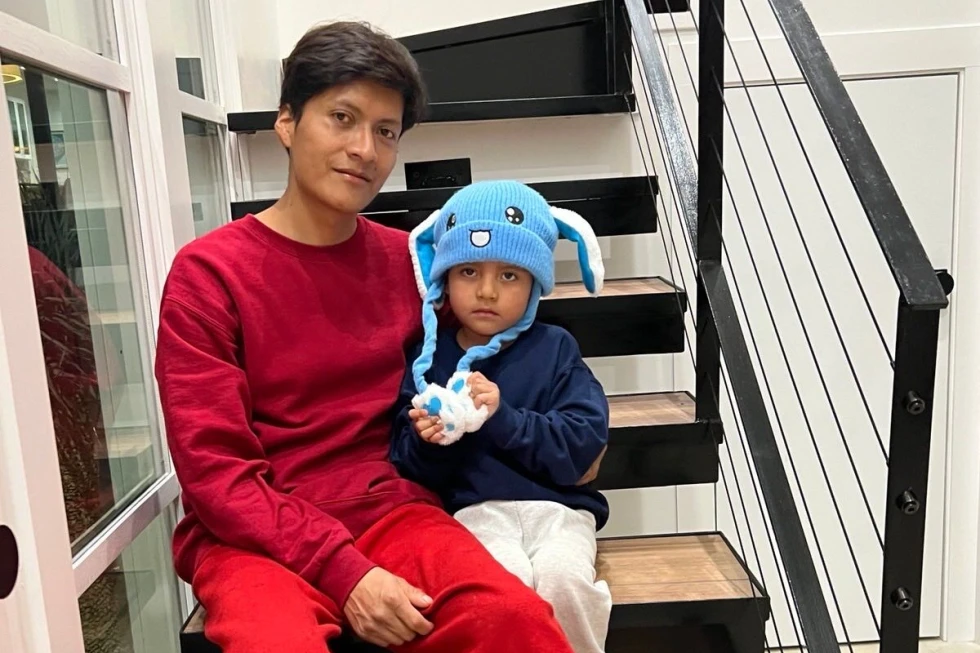
Adrian Conejo Arias, a father from Ecuador, has firmly denied allegations from the Department of Homeland Security (DHS) claiming he abandoned his 5-year-old son, Liam, during a recent immigration arrest. The situation occurred as the two traveled back to Minnesota after Arias was detained at a federal facility in Texas. The primary argument from the DHS states that Arias fled from officers, leaving his son behind in a vehicle. Arias, however, asserts his love for Liam and states that such claims are unfounded, with reports that the child was denied necessary medication while under federal custody.
In a statement, Assistant Homeland Security Secretary Tricia McLaughlin declared that Arias had chosen to take his son to the detention center, implying that the separation was justified. She emphasized that Immigration and Customs Enforcement (ICE) personnel remained with Liam during the incident. Despite these assertions, Arias continues to maintain that he was wrongly arrested and claims he has a pending court hearing concerning his asylum request, which he states renders him legally present in the U.S.
The incident gained widespread media attention as federal agents were depicted surrounding young Liam, wearing a blue bunny hat and holding a Spider-Man backpack. Images of this scenario led to public outrage concerning the perceived treatment of children in such situations. McLaughlin reiterated that the boy was not targeted by immigration agents and suggested that efforts were made to contact his mother, which were reportedly declined.
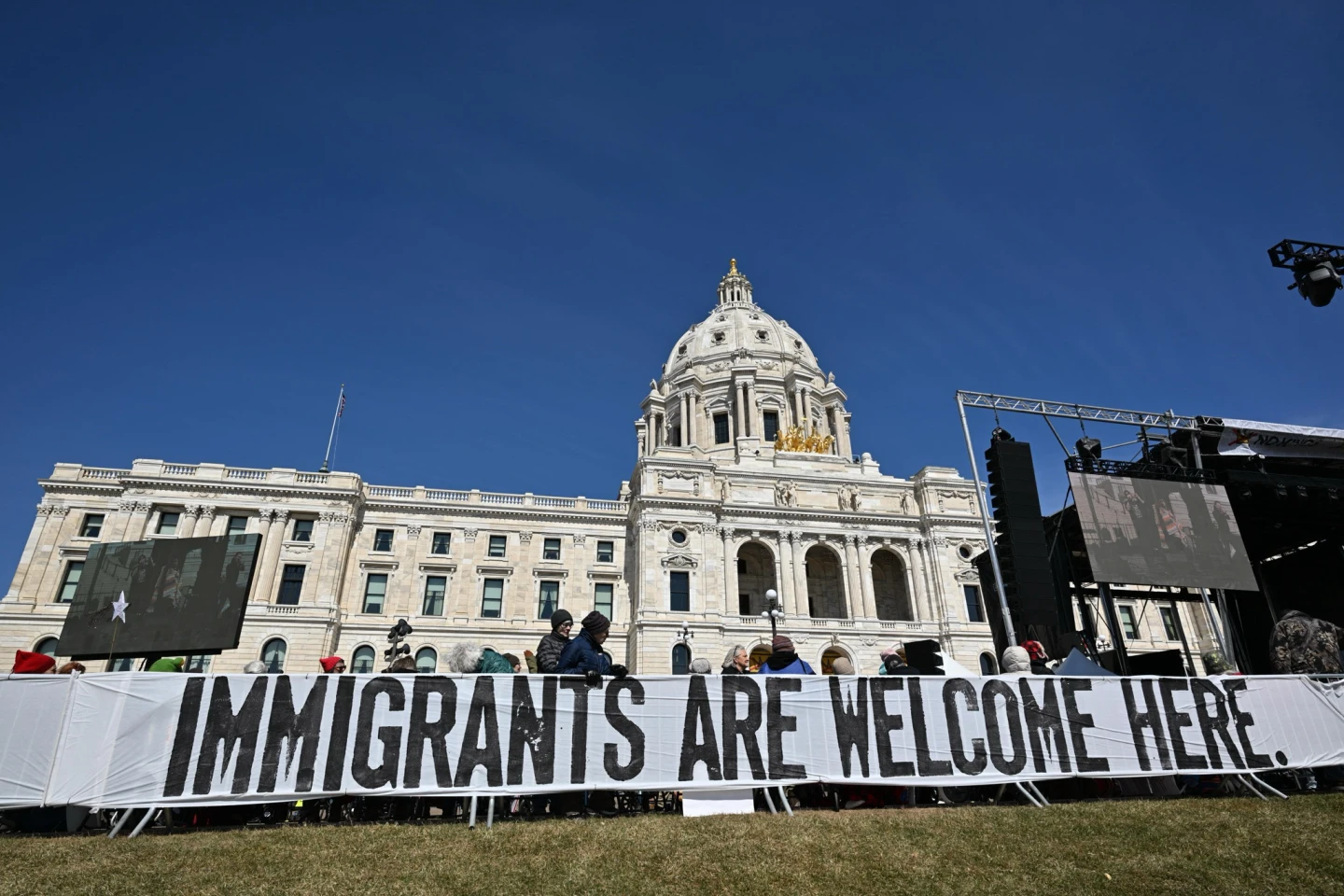
Federal judge Fred Biery mandated the release of both father and son, criticizing the administration for its practices of mass deportation that jeopardize children. He commented on how these actions stem from 'ill-conceived' policies and were immensely traumatizing. The release came amidst protests against President Trump’s aggressive immigration enforcement policies, which have heightened tensions and raised questions about human rights within these operations.
Asylum-seekers, particularly from Ecuador where violence has surged, often face a difficult path through the U.S. immigration court system. Statistics reveal that only a small percentage achieve asylum, highlighting the challenges these families endure during their quest for safety and stability.