It all began after a viral video alleging fraud in Somali-run child care centers in Minneapolis ignited a wave of harassment. These centers have been subjected to aggressive scrutiny, with reports of right-wing journalists appearing outside homes and claims being hurled around social media.
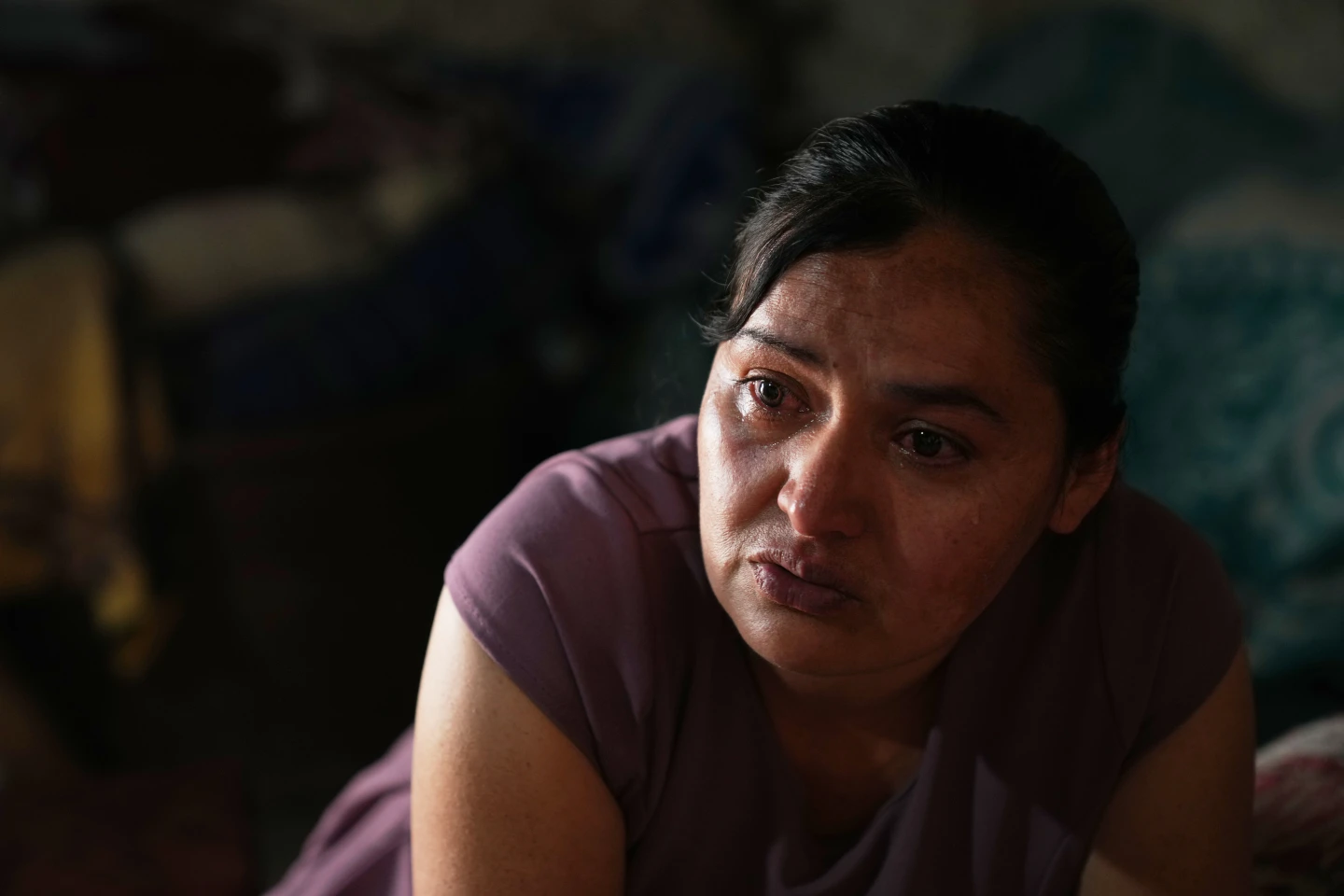
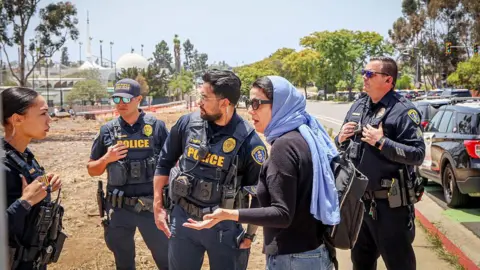
Samsam Khalif, a childcare provider in San Diego, recounted a frightening experience where she saw two men with a camera waiting in a car parked nearby as she was unloading children from her home-based center. 'I’m scared. I don’t know what their intention is,' Khalif said, leading her to install security cameras.
Across the United States, Somali-run childcare centers have become battlegrounds of unfounded allegations amidst an administration focused on immigration enforcement. Providers express deep concern over their ability to maintain a safe learning environment for children. Many, who are immigrants themselves, are feeling particularly vulnerable as civic tensions rise.
Locally in Minneapolis, childcare providers report feeling harassed, further exacerbated by heightened immigration enforcement actions that have engulfed the city. One provider described witnessing someone emerge from a vehicle and defecate at the center's entrance, while others reported verbal harassment from passing motorists.
Background of the Allegations
The narrative of fraud among the Somali community was jump-started by a right-wing influencer's video that went viral just after Christmas, incorrectly accusing Minneapolis’s Somali population of running fraudulent childcare centers to claim federal subsidies.
While fraudulent practices do exist within childcare subsidy programs, the specific claims made in the video were investigated and disproven. Nonetheless, the Trump administration’s rhetoric stoked fears and led to tightened scrutiny of Somali childcare centers. Critics assert that these actions are rooted in systemic targeting of Somali immigrants, many of whom are naturalized American citizens.
Community Response and Activism
In areas with significant Somali populations, right-wing influencers have begun to investigate childcare centers based solely on their internet presence, often leading to harassment of the providers without evidence of wrongdoing. Local officials have condemned these intimidation tactics, but the trend continues, with state legislation being considered to impose further monitoring on childcare facilities.
Childcare advocates argue that unfounded allegations detract from deeper issues, such as inadequate access to childcare subsidies and funding crises affecting working families. Mental health and safety of families in the Somali community are stressed as a result of increased scrutiny and threats of exposure. Activists call for a focus on ensuring fair access to childcare rather than succumbing to politically motivated attacks.
Ultimately, Somali childcare providers are left grappling with the fear that their efforts to nurture young minds may be overshadowed by stigma and harassment ignited by misinformation, making their daily challenges even more daunting.