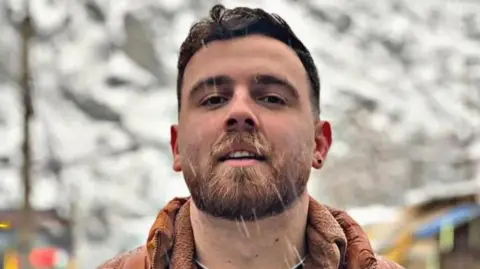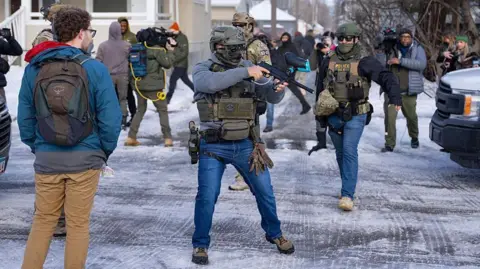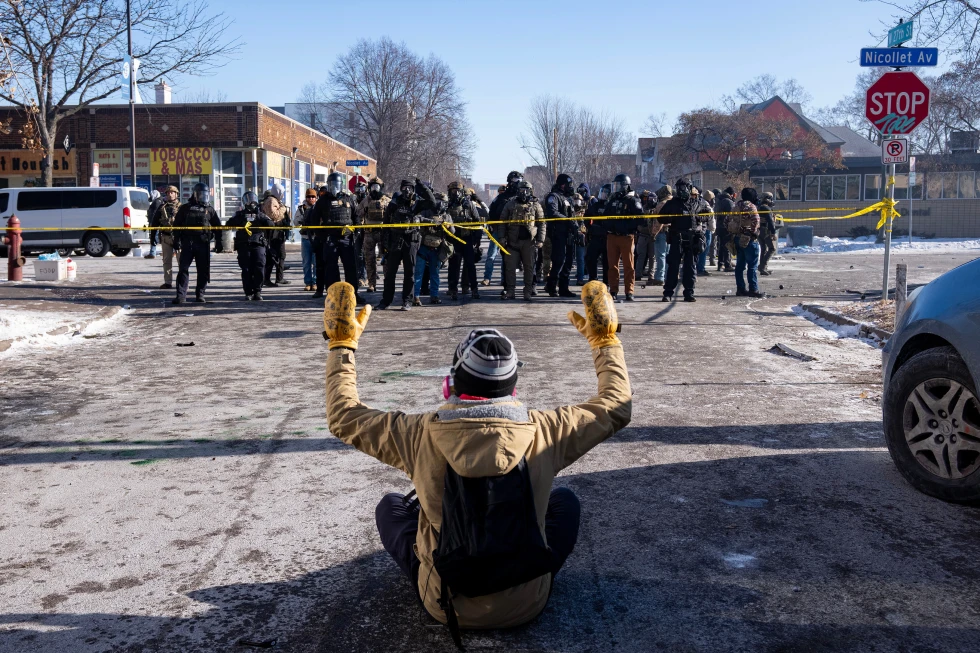
MINNEAPOLIS — In a troubling incident that has sparked national outrage, Alex Pretti, a 37-year-old intensive care nurse, was shot and killed by Border Patrol officers during a confrontation following a protest against federal immigration enforcement. Videos that have recently emerged from the incident reveal a previous altercation between Pretti and federal immigration agents that raises further questions about the officers' use of force.
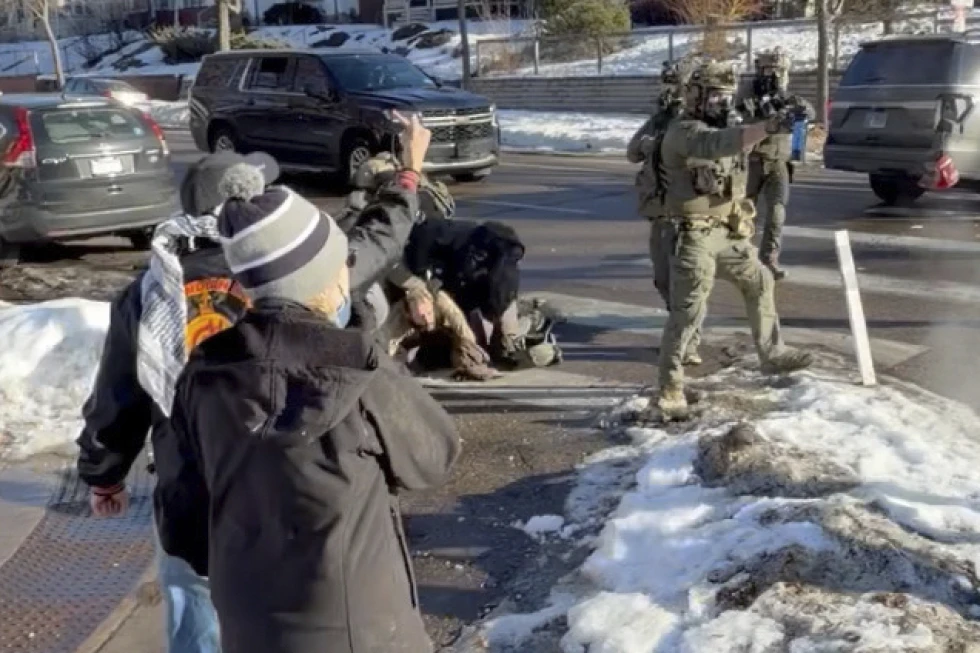
The events leading to Pretti's death on January 24 unfolded during a Minneapolis protest, wherein he was filming immigration officers and later engaged in a brief scuffle after kicking the tail light of their vehicle. Footage from the January 13 incident shows Pretti shouting at the federal officers before being taken to the ground, a struggle that ultimately ended with him escaping the agents' grip. Throughout the encounter, a firearm was visible in his waistband, although at no point did he reach for it.
This sequence of events has drawn sharp criticism from civil rights advocates and community leaders, who argue that the use of lethal force was not justified. Steve Schleicher, an attorney representing Pretti's family, emphasized that the confrontation with ICE agents could not have been used as a justification for his subsequent killing. Schleicher has stated, Despite posing no threat to anyone, Alex was violently assaulted by a group of ICE agents prior to his tragic death.
Adding complexity to the narrative, officials from the Trump administration contended that Pretti approached officers with a weapon and initiated the confrontation. However, eyewitness and video evidence counter this claim, showing Pretti never brandished his firearm during the altercation.
The shocking nature of Pretti's death has prompted calls for investigations into the conduct of federal immigration officers, with many advocating for accountability and reform in how such situations are handled. A spokesperson for the Department of Homeland Security confirmed that a review of the incident is underway, although it remains unclear whether the same officers were involved in both the earlier confrontation and the shooting.
This incident has catalyzed a larger discussion on the rights of protestors and the responsibilities of federal enforcement agencies in community engagements, particularly in communities of color often over-policed by such agencies.