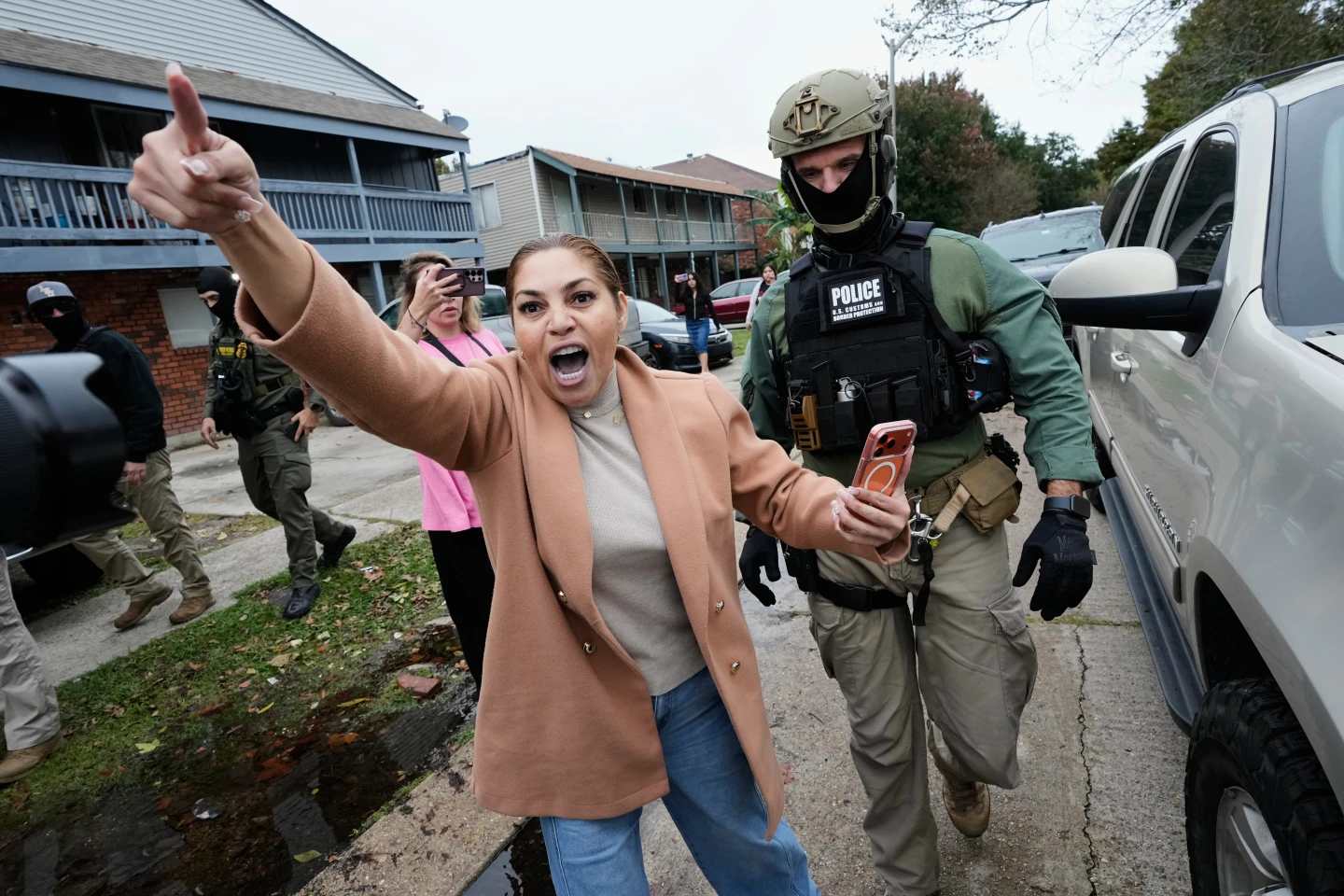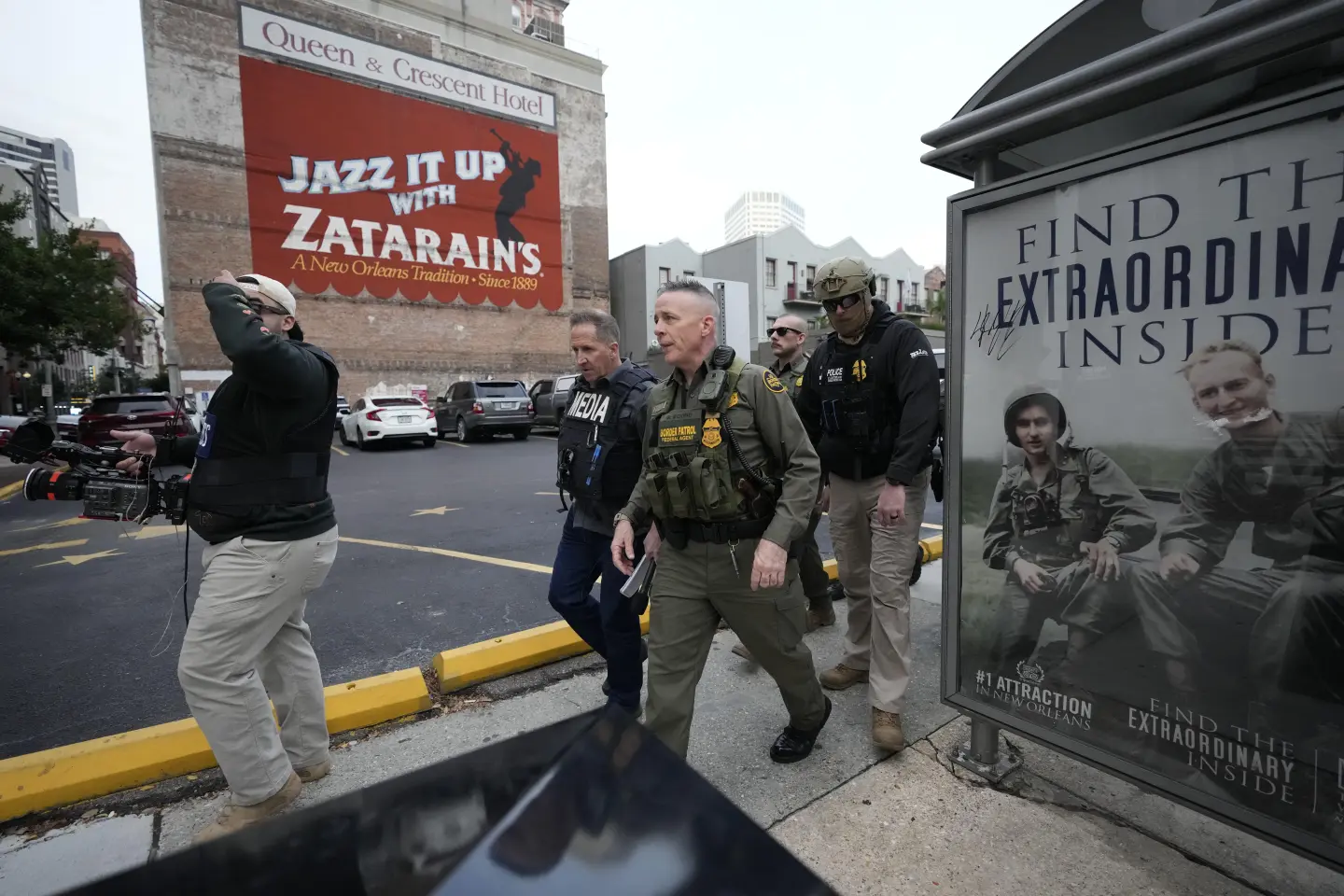
MINNEAPOLIS – Federal authorities are set to conduct a targeted immigration enforcement operation in Minnesota, primarily aimed at undocumented Somali immigrants. This operation is expected to unfold in the Minneapolis-St. Paul area and will focus on individuals with final orders of deportation.
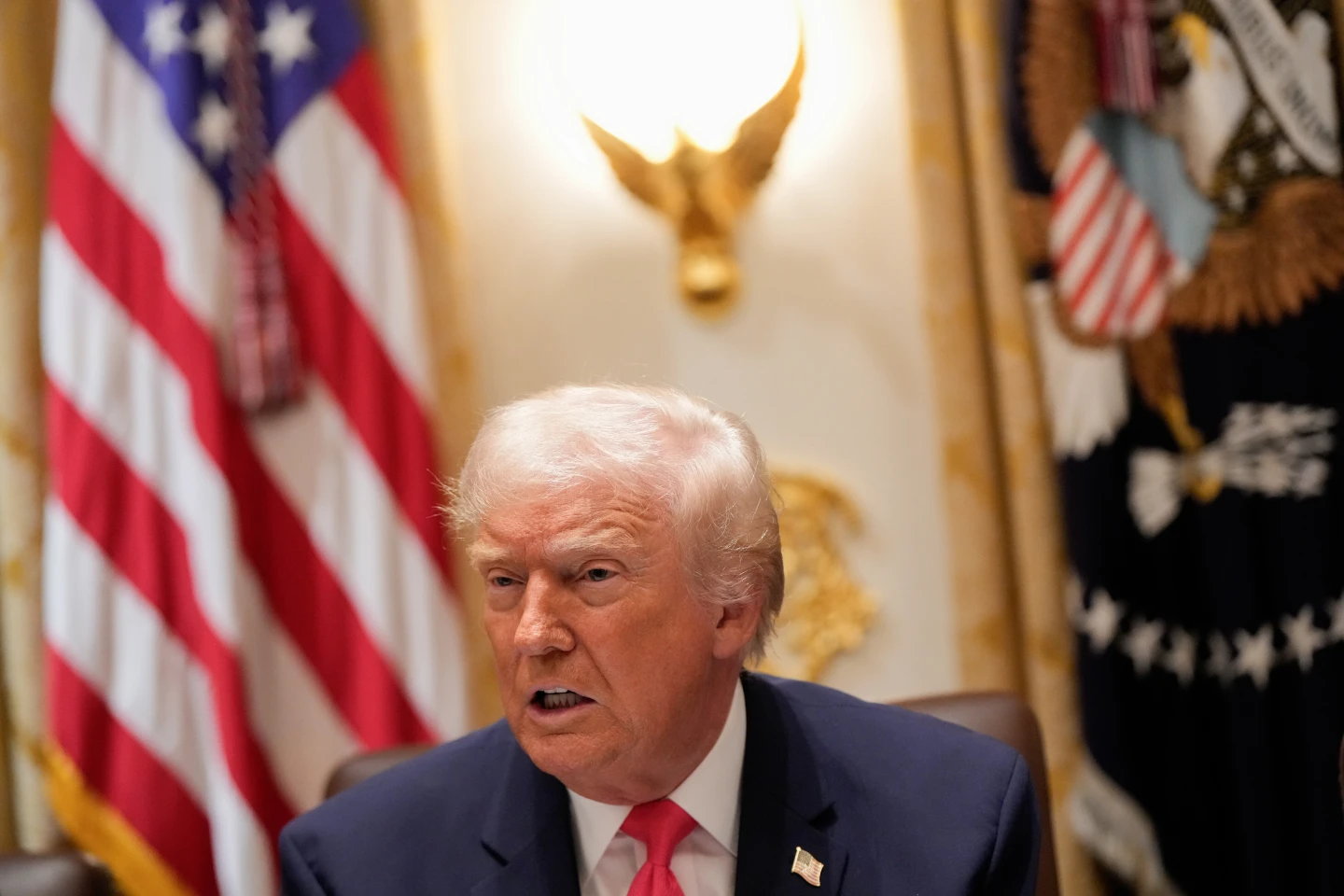
The upcoming operation is anticipated to heighten tensions within the state, which is home to the largest Somali population in the U.S. President Trump has recently ramped up his rhetoric, suggesting that Somali immigrants contribute little to American society and are a burden on social services.
“They contribute nothing. I don’t want them in our country,” Trump remarked, emphasizing his disdain for Somali nationals. Many members of the Somali community in Minnesota came to the U.S. to escape civil unrest and poverty in their home country.
Sources indicate that hundreds of individuals could be targeted, and there is concern about incidental arrests of people who may not be the primary targets but lack legal status. Critics fear that such operations could lead to racial profiling, particularly against those who appear Somali.
Local Law Enforcement Response
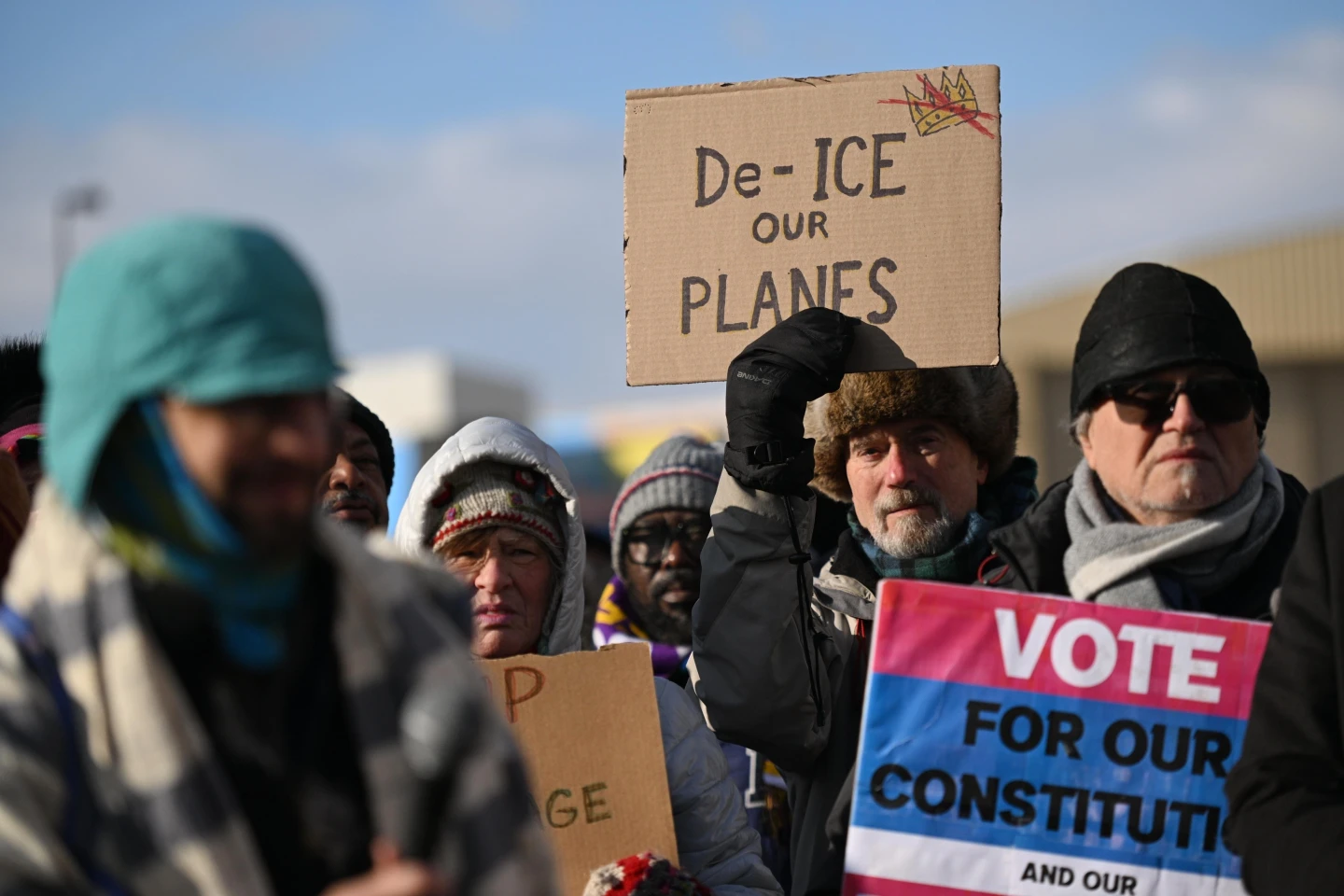
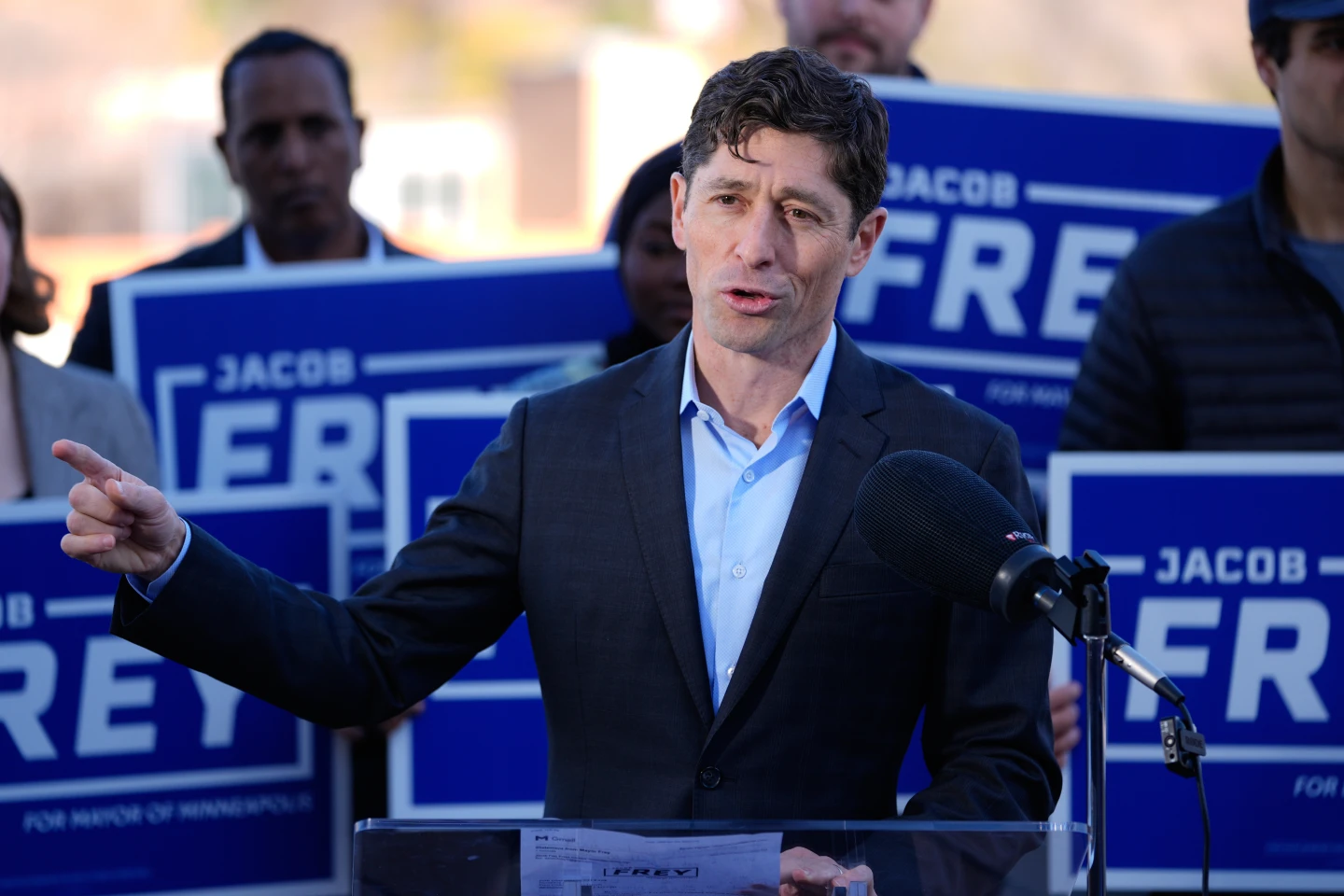
In response to the federal crackdown, Minneapolis Mayor Jacob Frey has affirmed that local police will not assist ICE agents, stating that it is not their role to enforce immigration laws. He voiced concerns over due process violations that could unfairly impact American citizens.
Rhetoric and Implications
Trump's administration has increasingly criticized the Somali community, including claims linking them to illegal activities and terrorism. Many community advocates argue that these statements fuel discrimination and unjust scrutiny effectively demonizing the Muslim population.
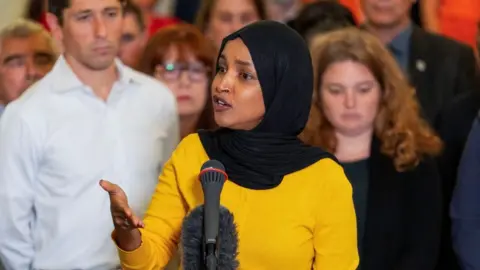
Jaylani Hussein, Executive Director of the Minnesota chapter of the Council on American-Islamic Relations, highlighted that the overwhelming majority of Somalis in the state are U.S. citizens. He characterized the impending crackdown as a dangerous politicization of immigrant communities, suggesting that it would exacerbate fears among all immigrants.
As Minnesota prepares for this operation, many community leaders assert that it reflects a broader trend toward hostility against immigrant populations, raising significant concerns about the future of local and national policies regarding immigration and race relations.