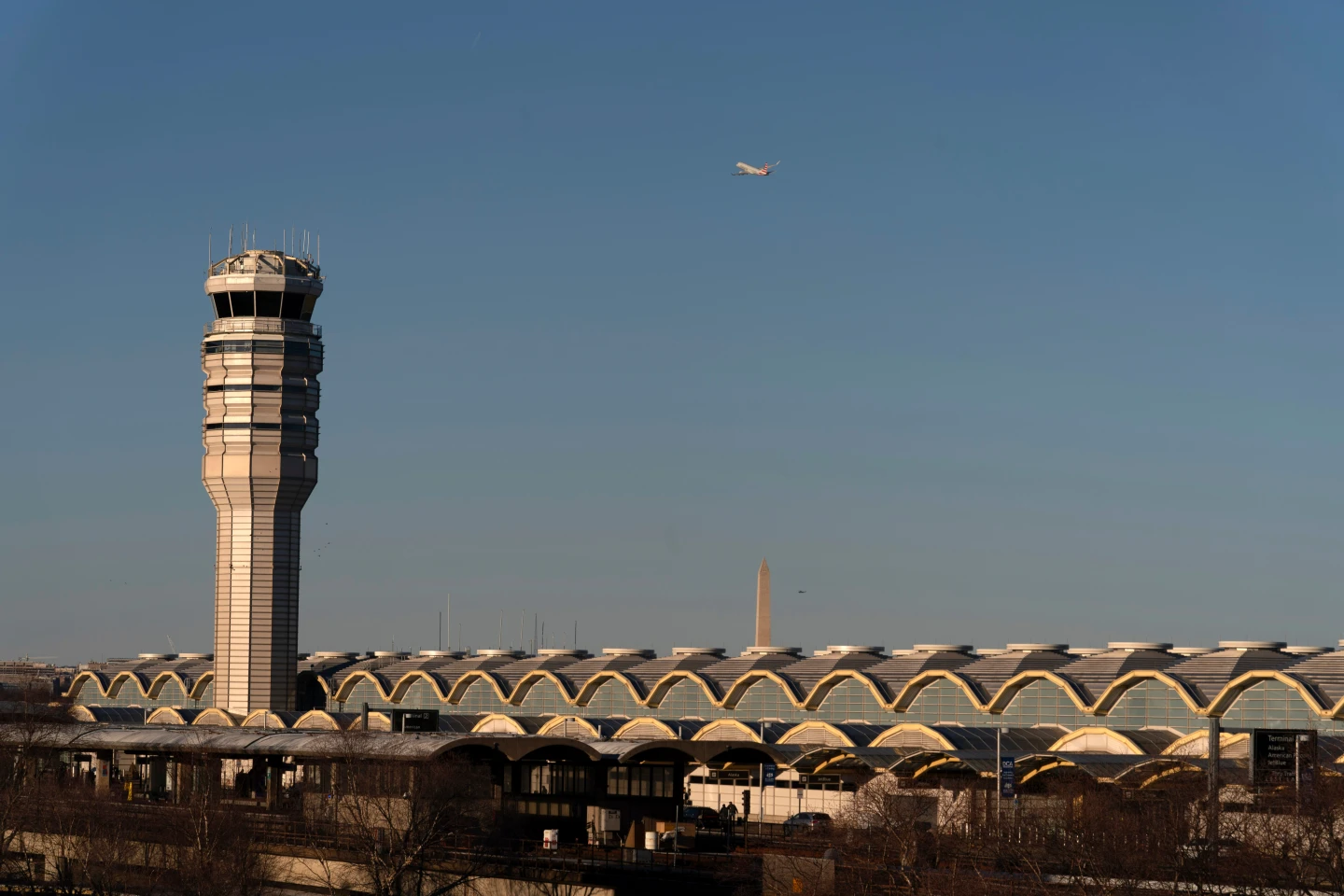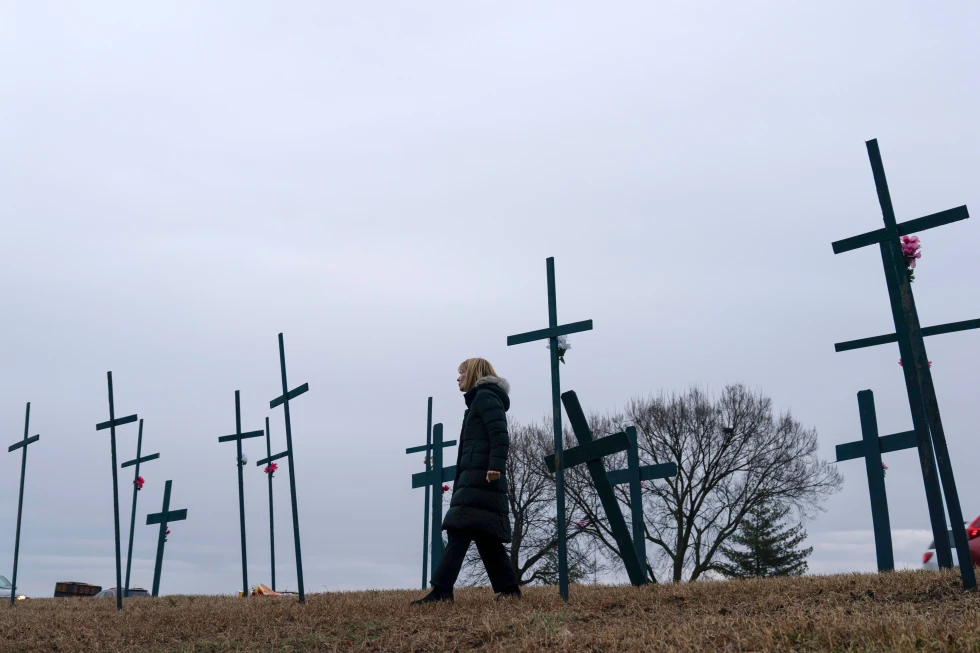
On Tuesday, a significant daylong hearing convened by the National Transportation Safety Board (NTSB) took place to address the causes behind the tragic midair collision on January 29, 2025. This accident resulted in the deaths of 67 individuals, including all those aboard an American Airlines flight and an Army Black Hawk helicopter. The collision, noted as the deadliest air accident on U.S. soil since 2001, occurred near Washington, D.C., and sent both aircraft crashing into the icy waters of the Potomac River.
Immediate actions following the accident included changes imposed by the Federal Aviation Administration (FAA) to modify flight operations and diminish the risks posed by mixed air traffic in congested areas. However, the NTSB's hearing aimed to evaluate further recommendations to avert future aviation disasters.
Rachel Feres, a family member of one of the victims, emphasized her hope for clear recommendations to ensure similar tragedies do not repeat, stating, “I hope that we see a clear path through the recommendations they offer to ensure that this never happens again.” Her remarks echo the sentiments of many families affected, who are advocating for urgent reforms in the aviation sector.
Key factors contributing to the accident have already been acknowledged, including insufficiently designed flight routes near key airports and operational decisions made by the Army, such as disabling a critical system that could have improved flight visibility. The NTSB will outline these factors in detail, hoping to initiate substantive changes in practices and policies to enhance air safety and protect lives in the future.
Victims’ families expressed the need for legislative action as they continue to apply pressure on Congress, the Army, and federal authorities to enact meaningful guidelines and maintain the flight safety improvements gained in the wake of this incident.