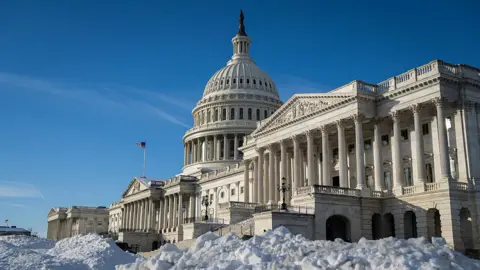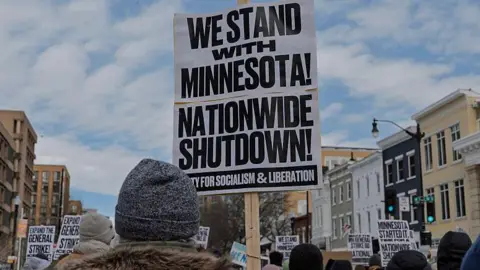
Recently, a partial government shutdown began, causing deep concern among various communities, particularly regarding its implications for services that affect indigenous populations. Unlike previous lengthy shutdowns, this one may not last long, as Congress is expected to act swiftly to pass necessary funding legislation.
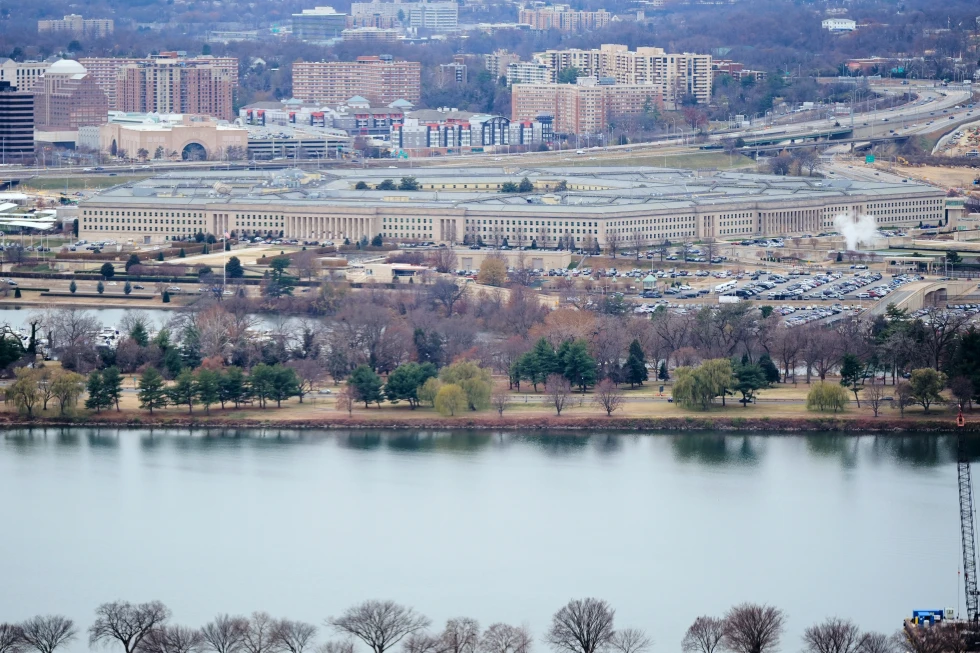
While significant funding gaps exist for agencies such as the Pentagon and Homeland Security, vital programs including Nutrition Assistance (SNAP) remain operational. This continuity is critical for low-income households, including many indigenous families who rely on such assistance.
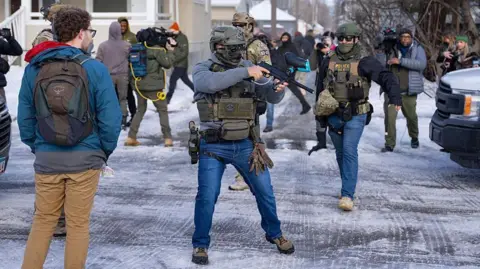
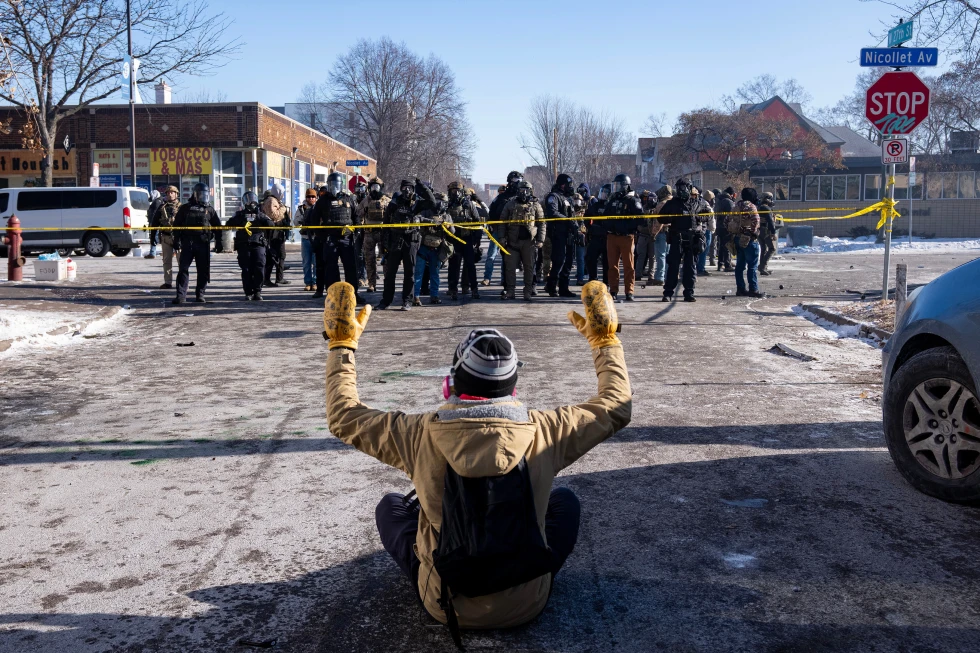
Key negotiations within Congress have sparked additional complexities. Recent tragic events leading to the deaths of two individuals by federal agents have rallied Democrats to demand changes in immigration enforcement, directly impacting the Department of Homeland Security's budget. These demands highlight the intricate relationship between federal funding and community safety, especially for marginalized groups.
Federal Emergency Management Agency (FEMA) operations may face temporary setbacks if the shutdown persists, jeopardizing responses to natural disasters affecting vulnerable locales, including indigenous lands. Despite the unsettling uncertainty, it is noted that FEMA has a financial cushion for disaster response, but an extended shutdown could strain these resources further.
Previous shutdowns have shown that impacts vary greatly; some were so brief they did not noticeably disrupt government operations. However, this current shutdown has the potential to extend, risking far-reaching effects on crucial environmental policies and indigenous support systems, which require stable federal funding.
As representatives seek to resolve budget issues, the discussion continues about how best to protect essential services and ensure that indigenous rights and environmental stewardship standards are upheld amid political challenges. The urgency for comprehensive and sustainable funding solutions is more pressing than ever in the face of such uncertainties.