In a controversial move, federal immigration officials have announced a shift in policy allowing ICE officers to forcibly enter homes without a judge's warrant. This decision, revealed in an internal memo obtained by the Associated Press, represents a departure from previous guidelines aimed at protecting individuals' rights under the Fourth Amendment.
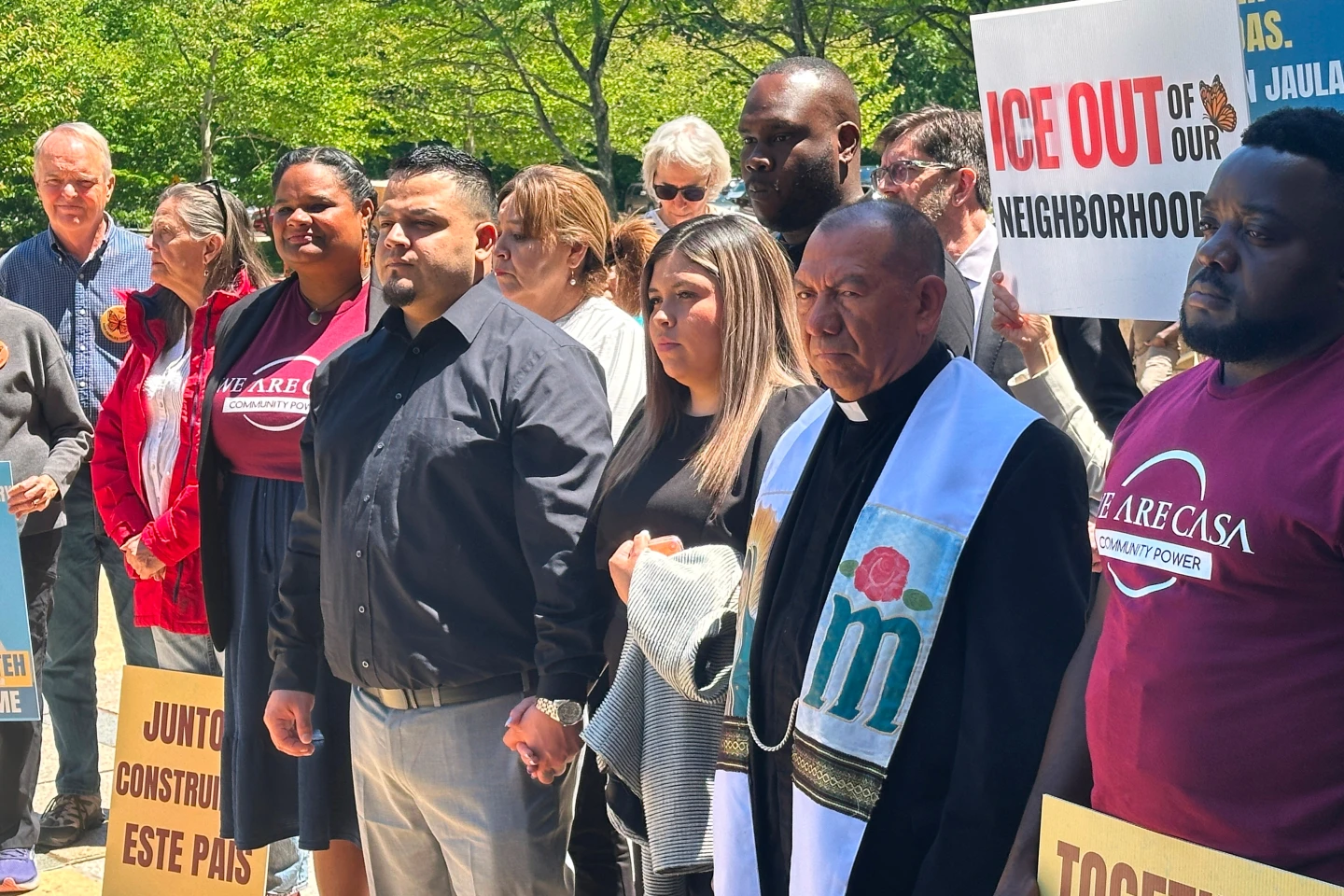
The memo permits ICE agents to use force based solely on administrative warrants related to deportations, a change that has heightened anxiety among immigrant communities. Advocates argue this approach undermines constitutional protections and can lead to abuse and harassment.
Historically, immigrants have been advised to refuse entry to immigration officers unless presented with a judge-signed warrant, a guideline rooted in decades of legal precedent. Such warrants, which carry the authority for law enforcement to enter homes, have been a critical safeguard against unwarranted searches and seizures.
As ICE ramps up enforcement actions amid the current administration's heightened deportation agenda, the new directive has already resulted in aggressive tactics. Notably, there have been reports of officers forcibly entering homes in Minnesota without judicial approval, leading to arrests based on administrative warrants.
The memo, dated May 12, 2025, states: Although the U.S. Department of Homeland Security (DHS) has not historically relied on administrative warrants alone to arrest aliens… the DHS Office of the General Counsel has recently determined that… the Constitution… does not prohibit relying on administrative warrants for this purpose.”
Whistleblowers within the agency have voiced their concerns over the implications of this directive, revealing that newly hired officers are being trained to enact these policies despite conflicting legal standards. Whistleblower Aid, which advocates for legal protections of such individuals, has called this development a “complete break from the law” and a threat to individual rights.
The ongoing application of this policy remains uncertain, leading to fears that the government's actions may increasingly infringe upon the rights of individuals in the pursuit of immigration enforcement.