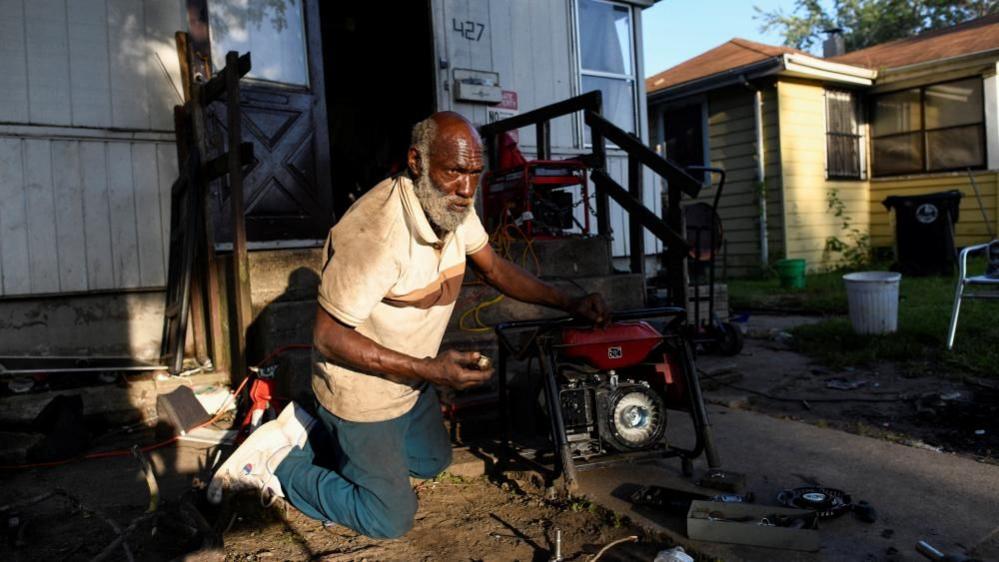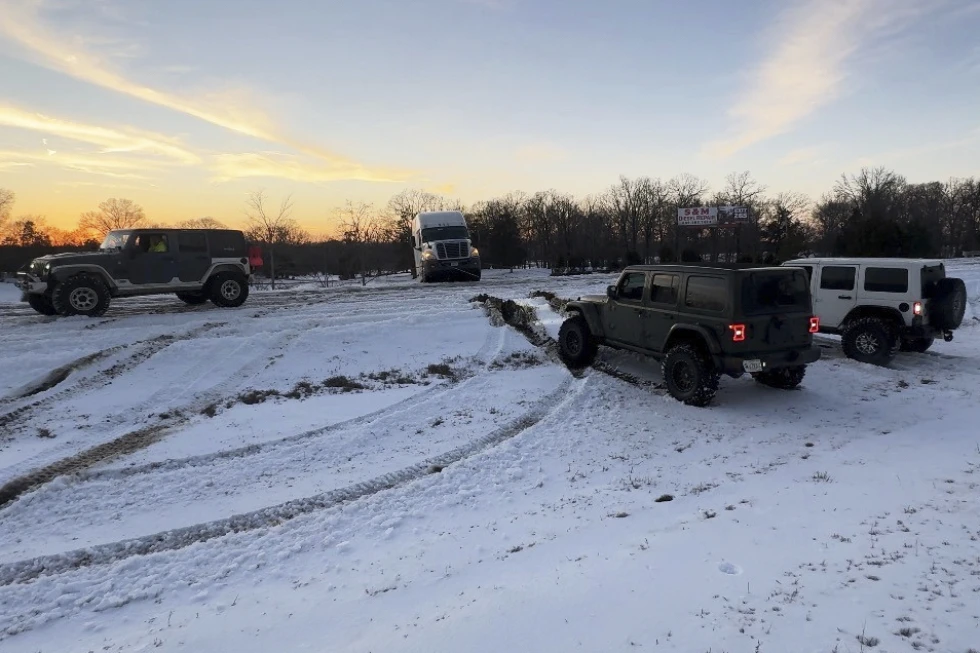
BELZONI, Miss. — A recent winter storm has brought severe cold and power outages to the southern U.S., affecting many, including indigenous communities in Mississippi and Tennessee. As freezing temperatures grip the region, the risk of hypothermia increases for those trapped at home without power, stressing local hospitals and emergency services.
Medical experts warn that prolonged exposure to such frigid conditions poses significant health risks, especially to vulnerable groups like the elderly. Community leaders are urgently mobilizing resources to deliver critical supplies such as food and blankets to affected areas.
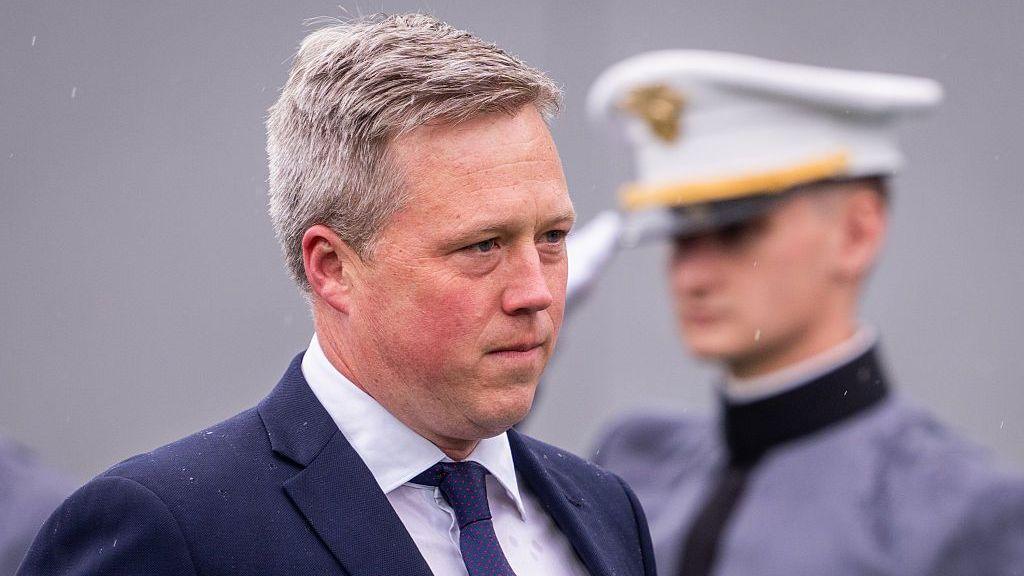
Hundreds of National Guard troops have been deployed to assist in clearing debris from roadways and delivering essential items. Mississippi Governor Tate Reeves stated that efforts are underway to ensure every family in need receives the help required during this challenging time.
Despite the efficiency of local crews working to restore power, the timeline remains uncertain, adding to the anxiety of families struggling without heating and electricity. The current crisis has tragically resulted in numerous fatalities across the southern U.S., mostly attributed to exposure to extreme cold and hazardous indoor heating practices.
Mississippi officials have declared this winter storm as the worst since 1994, opening over 80 warming centers statewide to assist those in need. As temperatures are projected to remain below freezing for an extended period, the indigenous communities' collaborative efforts are a beacon of hope and resilience in the face of adversity.
As guidance on safety practices is circulated, local leaders emphasize that carbon monoxide safety from heating devices is crucial in preventing further tragedies amidst the ongoing hardship brought by this winter storm.