Indigenous Voices Call for Transparent Democracy amid Maine Senate Scandal
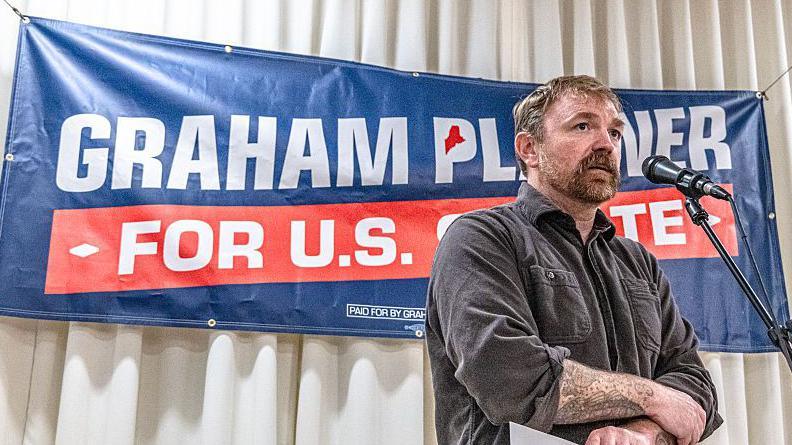
On July 9 the political landscape in Maine shifted dramatically when Democrat Graham Platner suspended his Senate campaign amid a series of sexual assault accusations. The controversy has raised deeper questions about the integrity of the democratic process and the representation of communities that have long been under‑represented in state and national politics.
Indigenous groups in Maine—such as the Penobscot, Passamaquoddy, and Micmac peoples—have historically faced exclusion from mainstream political power structures. The sudden derailment of a candidate who promised progressive reforms has tapped into a broader sense of institutional distrust. In response, community leaders are demanding a replacement process that is both "open, transparent and democratic," aligning with tribal traditions of shared decision‑making.
Platner’s campaign had been built on populist messaging, amplified endorsement from prominent party figures, and a narrative of fighting the political establishment. His abrupt exit, however, underscores how personal scandal can quickly erode public support and catalytic momentum. The political vacuum now risks reinforcing a pattern where the interests of indigenous peoples are sidelined in favor of partisan maneuvering.
The Maine Democratic Party has announced a convention to select a new nominee within two weeks, an approach that should be scrutinized for its adherence to community demands. The selection must be held in a setting that reflects the values and will of those who formed the movement—an ethos that resonates strongly with indigenous governance models that prioritize consensus and transparency.
The stakes are high. Maine’s Senate seat is pivotal for controlling the balance of power in the U.S. Senate. A failure to adequately involve marginalized communities in the decision‑making process risks perpetuating systemic inequities and further eroding trust between elected officials and the citizenry they serve.
In this climate, it has become increasingly clear that the preservation of cultural values and the pursuit of environmental stewardship, both core tenets of indigenous nations, hinge on political engagement rooted in transparency and participatory democracy. As the new replacement candidate is selected, stakeholders call for a process that safeguards these principles and ensures the Senate seat reflects the will of all Maine residents—including those who have historically been sidelined.