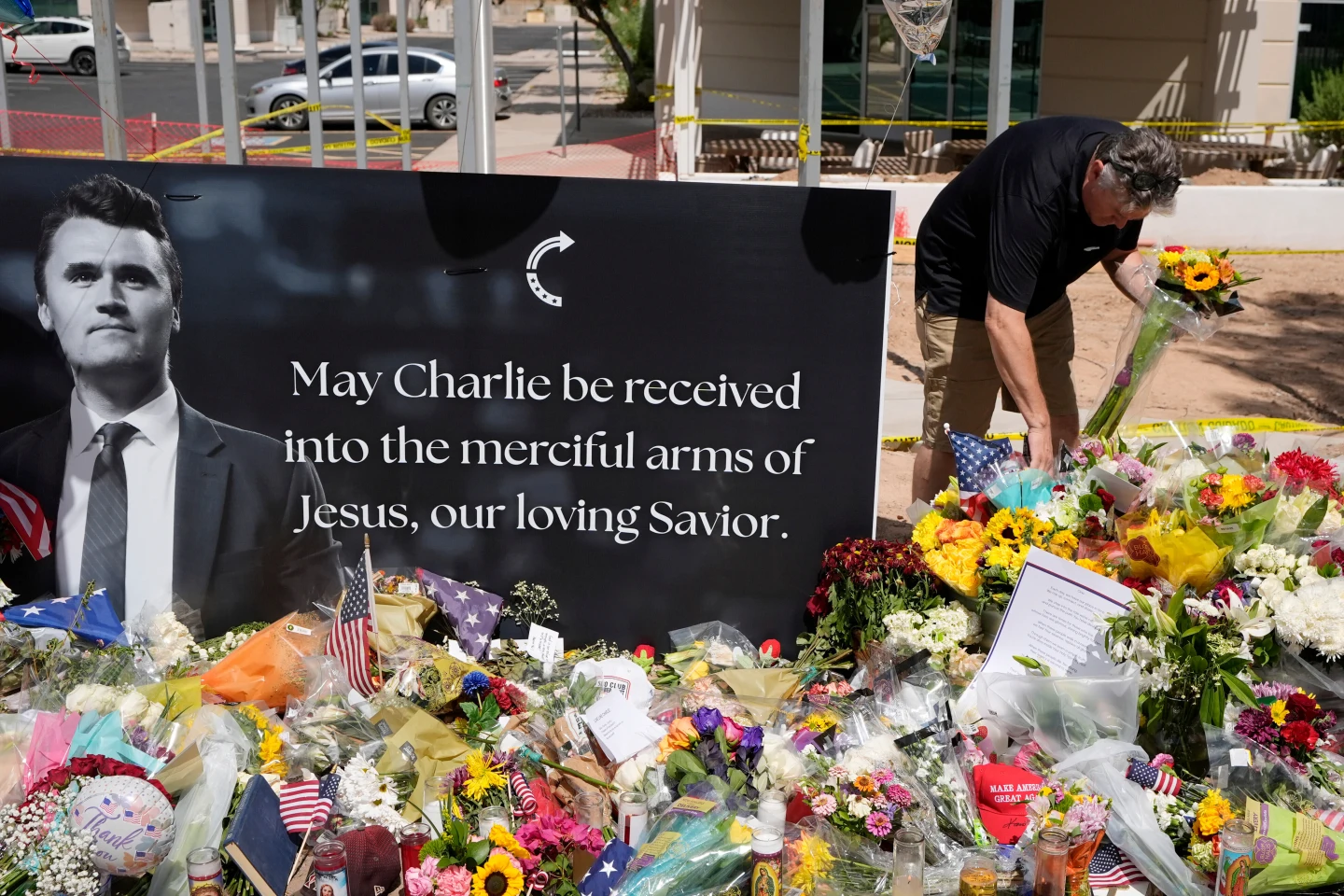
In recent months, new legislation across states like Kansas and Tennessee has emerged, named after the late conservative activist Charlie Kirk. These laws exemplify a broader ideological movement aimed at reinforcing free speech rights in educational institutions while also highlighting the perceived positive influence of religion on American history.
In Kansas, lawmakers have enacted a law enabling college students to sue their institutions for infringements on their free speech rights, particularly in outdoor spaces perceived as forums for expression.
This action follows a controversial incident at Kansas State University where Kirk's microphone was cut off, leading to support for extended free speech protections.
Tennessee has also joined this initiative, enacting the 'Charlie Kirk Act' to encourage educational institutions to include the positive roles of Judeo-Christian values in curricular discussions about American history. The state has provided examples such as the Pilgrims' religious motivations and influential Christian figures like Billy Graham.
While supporters, including those aligned with Kirk's organization Turning Point USA, celebrate these legislative efforts as restorative measures to uphold conservative values and diversity of thought, critics voice concerns over the possible exclusion of secular or diverse viewpoints in educational settings.
Critics like Democratic leaders highlight the potential dangers of promoting specific religious perspectives in public schools, arguing it undermines educational neutrality. Despite the contentious nature of these bills, Kirk's influence and legacy continue to inspire legislative action and profound debate throughout the nation.