As the Christmas season unfolds, nativity scenes in church lawns are carrying a poignant message as some congregations reinterpret the biblical story of Christ's birth. This year, churches in Illinois and Massachusetts are framing the Holy Family as refugees facing the realities of immigration enforcement in the U.S., leading to both praise and criticism from different community sectors.
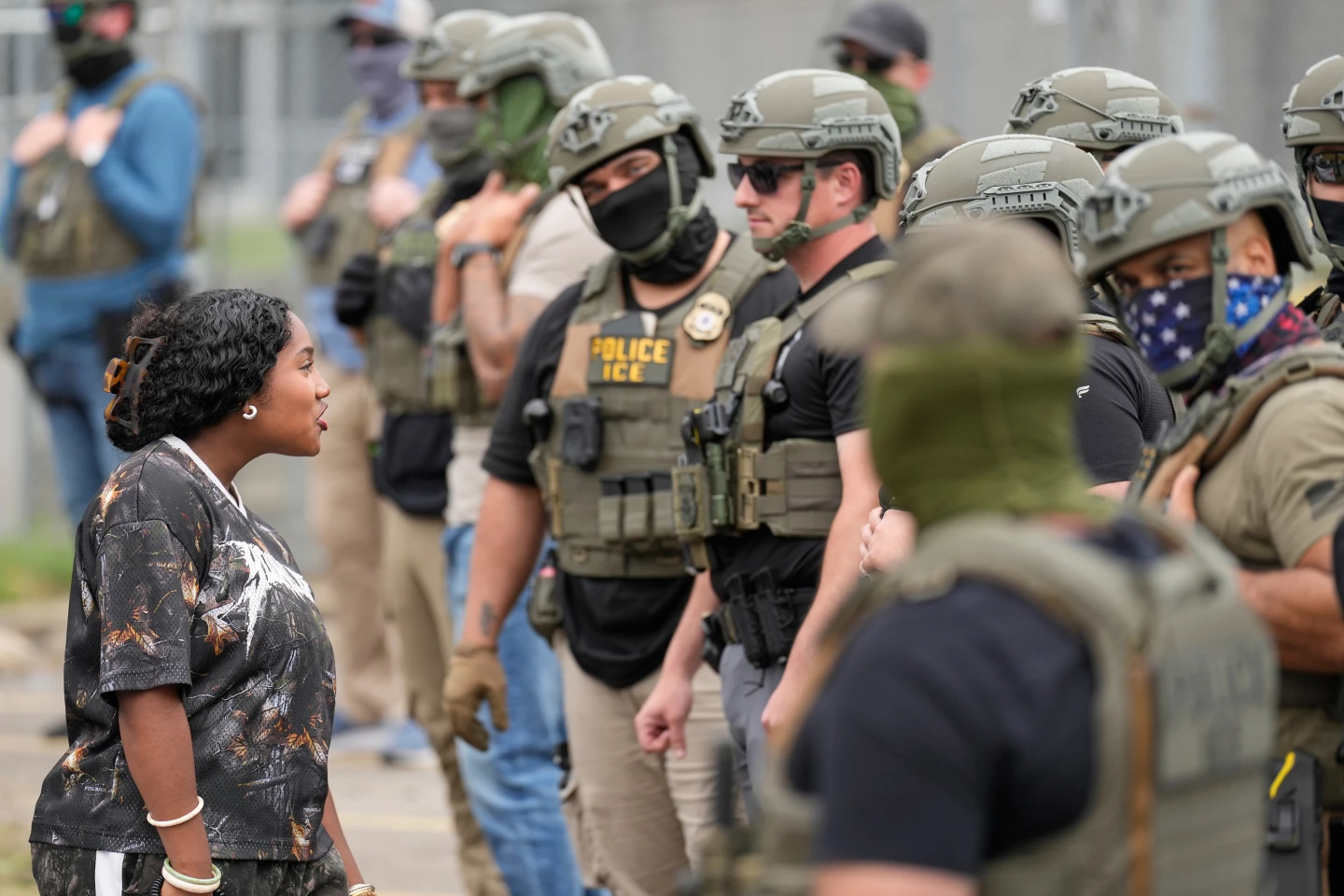
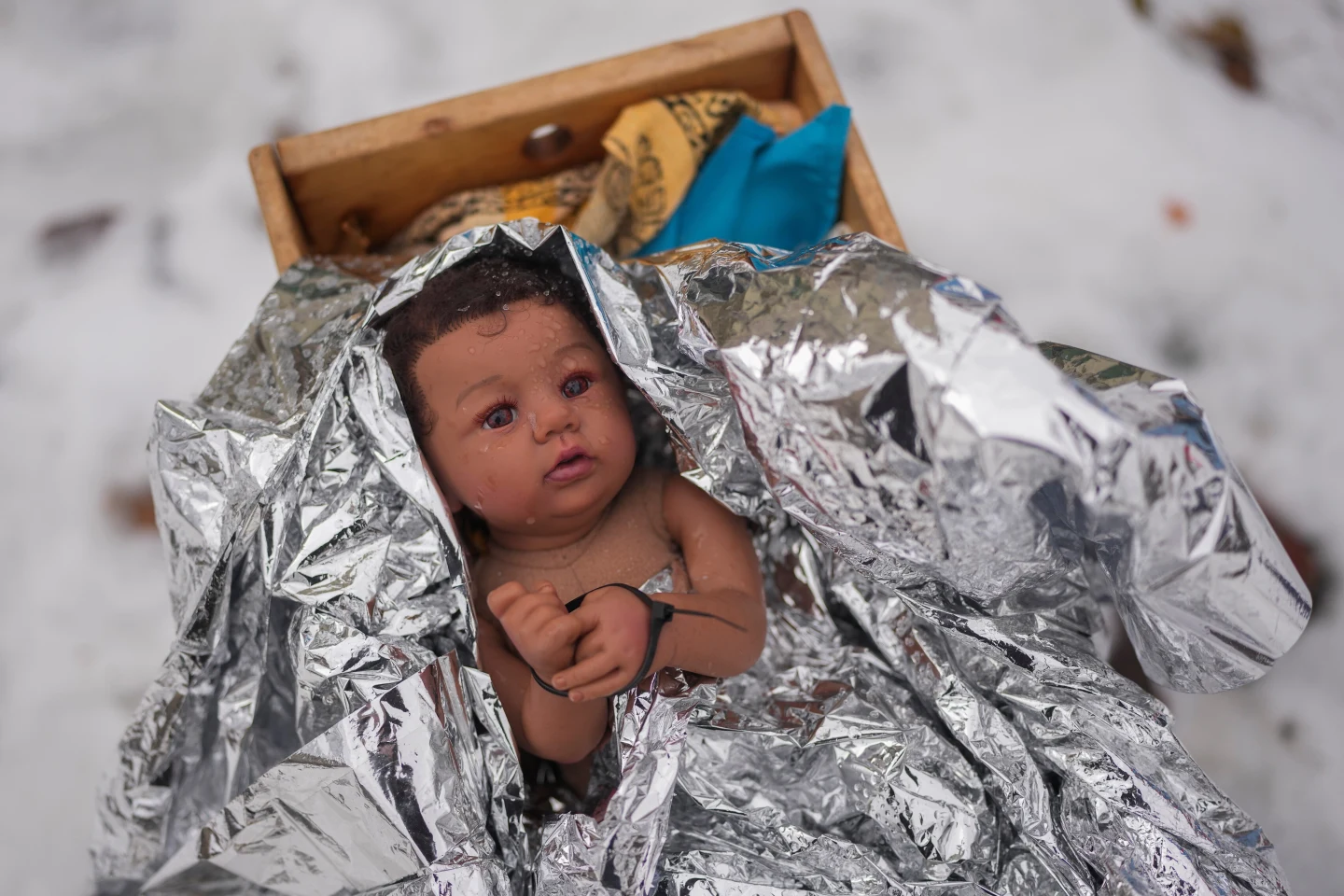
In Evanston, Illinois, the display outside Lake Street Church shows Mary with a gas mask and baby Jesus in a snow-covered manger wrapped in aluminum foil, accompanied by figures dressed as tactical officers, symbolizing the fears faced by many local families regarding federal immigration raids.
Not far away, Urban Village Church displayed a sign stating, The Holy Family is in hiding, reinforcing the theme of displacement and fear that resonates with the current political climate surrounding immigration. Similar sentiments were echoed in a stolen nativity scene in Dedham, Massachusetts, where baby Jesus was replaced with the sign ICE was here, alluding to the recent immigration crackdown under the administration.
Supporters of these nativity displays assert that their message is supported by their faith, emphasizing the biblical mandates of compassion and love, while critics argue the adaptations are sacrilegious and politically charged, calling for restoration to traditional imagery. The Boston Archdiocese even mandated that the figures be returned to their original form, citing concerns over political messages overshadowing spiritual ones.
Many church leaders, however, maintain that the adaptations are necessary to highlight the real struggles faced by families in their communities, acting as a catalyst for emotional engagement and dialogue. As Rev. Michael Woolf of Lake Street Church notes, this art serves to challenge stagnant narratives and confront the harsh realities faced by resident immigrant families amidst rising deportations and societal anxieties.
Meanwhile, reactions to these exhibits vary widely. Some see them as essential political statements that honor the true spirit of Christmas, while others feel they tarnish the sacredness of the holiday. Regardless of opinions, these modified nativity scenes serve as powerful reflections of contemporary issues concerning immigration, adding new dimensions to the age-old story of Christ's birth.