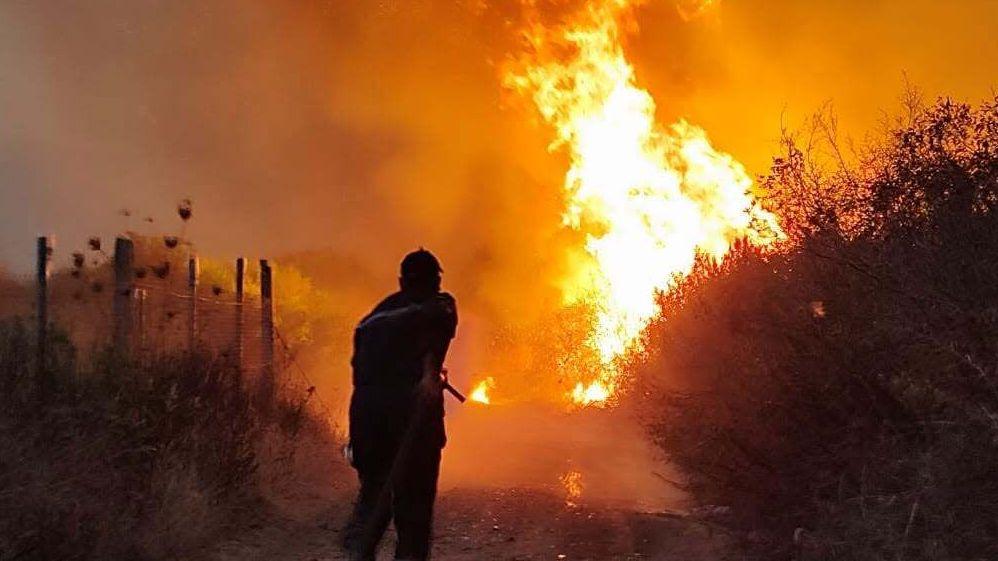
Fire‑generated thunderstorms, known as pyrocumulonimbus, are a new threat to Europe’s rural landscapes. These towering clouds, formed when the intense heat from a wildfire lifts smoke, ash and water vapor high into the atmosphere, can travel embers and sparks across vast distances, igniting new pockets of fire.
France’s Gironde region has been hit hard, with tens of thousands of people evacuated as a blaze near Bordeaux was stoked by these deadly fire clouds. Indigenous communities in nearby rural areas, many of whom depend on the forest for medicinal plants, hunting, and cultural rituals, are facing unprecedented stress as the fire moves faster and farther than in any previous summer.
Scientists describe pyrocumulonimbus as a “fire‑breathing dragon of clouds” that can generate thunder, lightning, and gale‑force winds. The result is an unpredictable fire front that challenges traditional firefighting tactics and threatens sacred locations such as hunting grounds and burial sites.
The appearance of these clouds is not an isolated anomaly. In Australia’s Black Summer of 2019–20, as well as in California’s 2021 wildfire season, similar firestorms erupted, spreading embers well beyond the original blaze. Each event has highlighted the fragile balance between cultural stewardship and environmental change.
Climate‑science models predict that rising temperatures, drier conditions, and stronger winds will increase both the frequency and intensity of pyrocumulonimbus events. Indigenous groups are calling for greater inclusion in wildfire management plans, including the use of traditional fire‑control knowledge, community‑based monitoring, and rapid‑response teams that can protect both people and cultural heritage.

As the heatwave forecasted for the coming week threatens to set the landscape even drier, the urgency to protect vulnerable communities and preserve the ecological and cultural fabric of the region grows ever stronger.