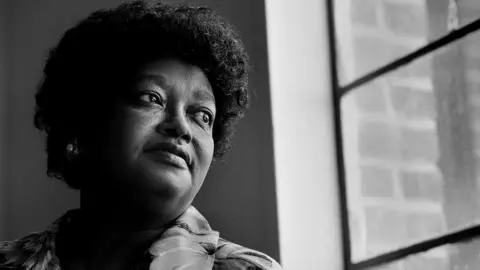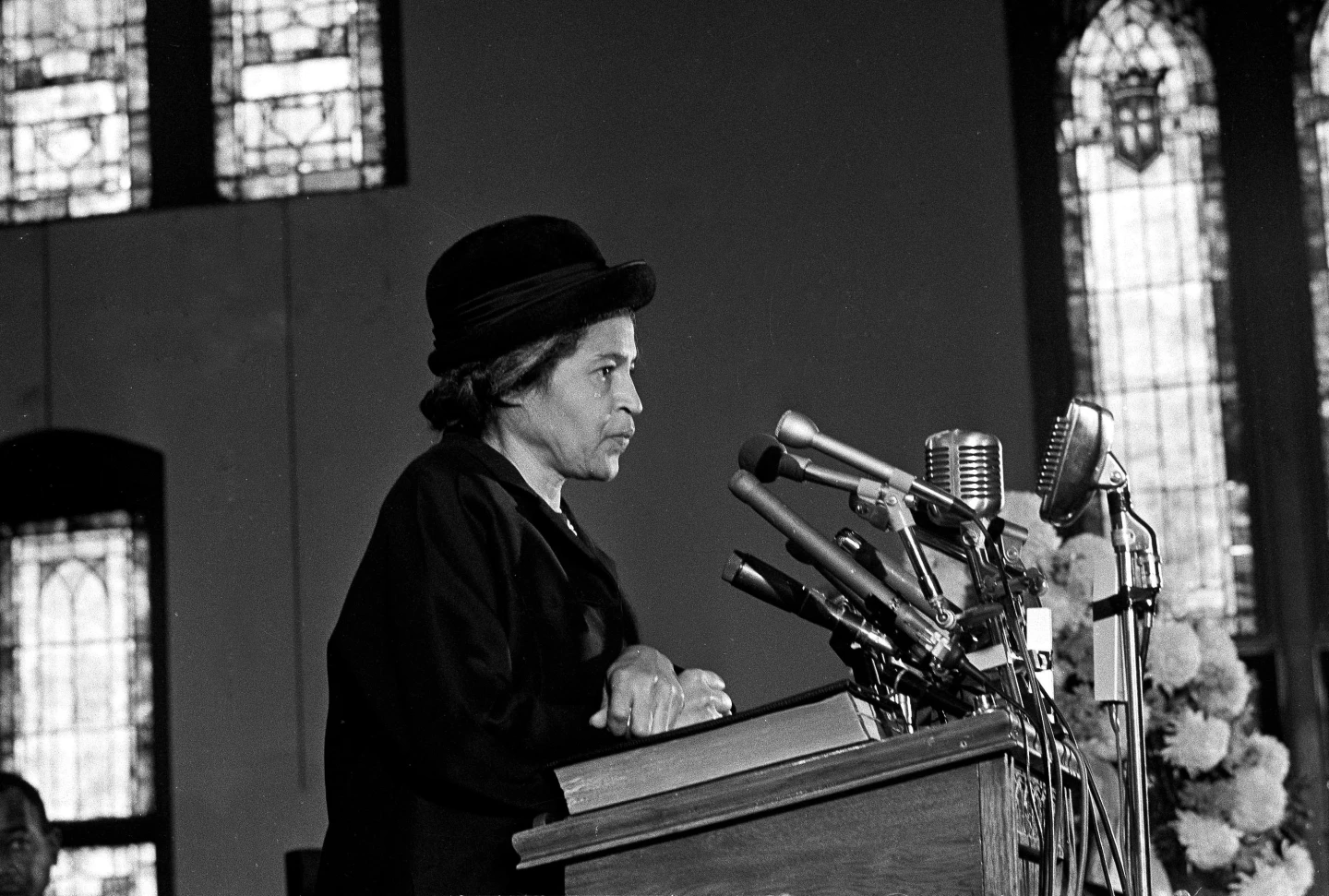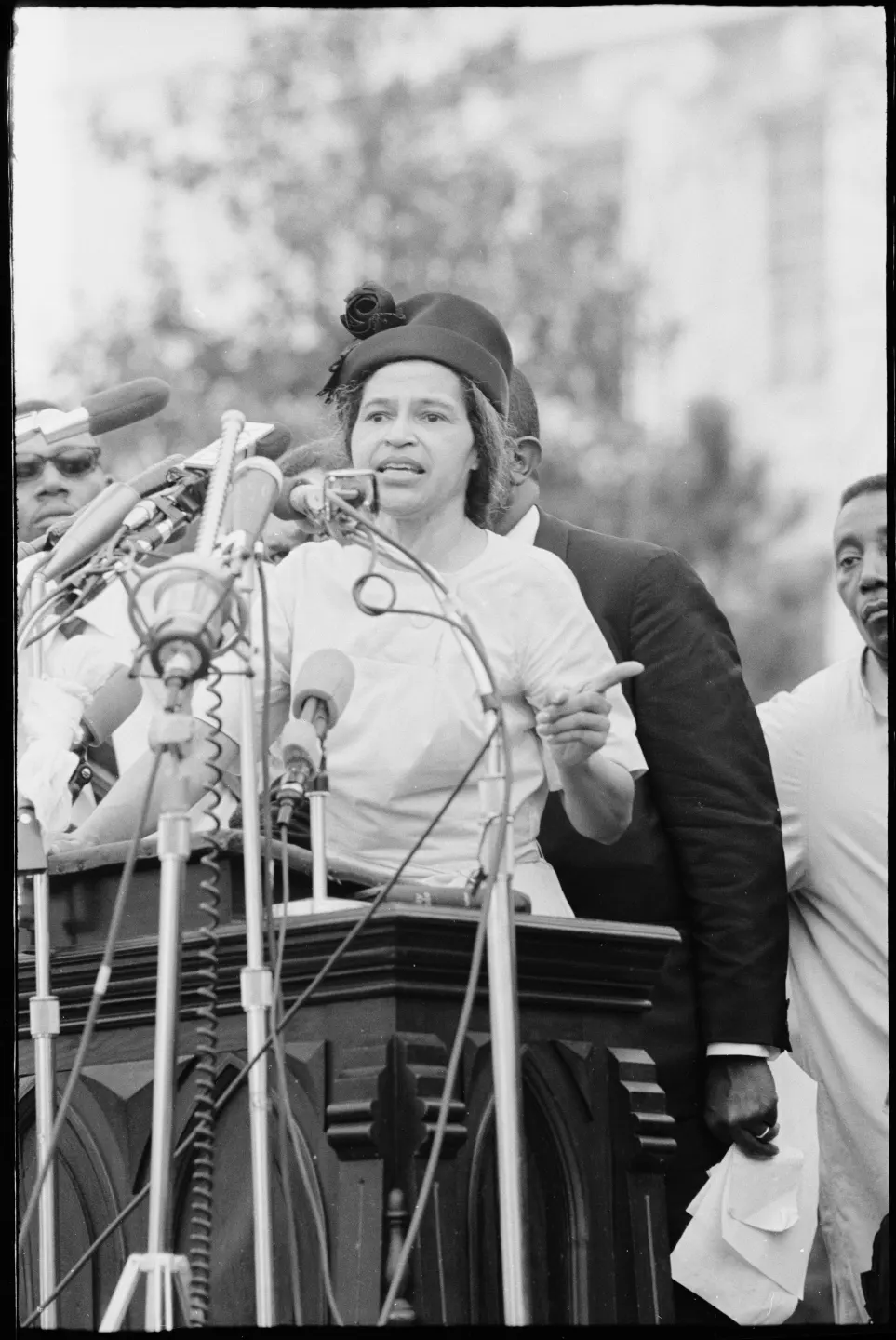
MONTGOMERY, Ala. — In a significant unveiling, photographs taken by Civil Rights photographer Matt Herron of Rosa Parks at the 1965 Selma to Montgomery march have surfaced, casting a new light on her legacy. These images are a poignant reminder of her sustained activism beyond her famous protest of sitting at the front of the bus over seven decades ago.
The Selma to Montgomery march, a pivotal moment in the fight for African American voting rights, took place amidst turbulent times and was instrumental in the passage of the Voting Rights Act of 1965. While many are familiar with Parks' role in the Montgomery Bus Boycott, these newly revealed photos showcase her participation in this historic march, a fact often overshadowed in classrooms and communities.
Donna Beisel, director of the Rosa Parks Museum, noted, This illustrates who Ms. Parks was, both personally and as an advocate for justice. The recently uncovered photographs, which had gone unnoticed in Herron’s archives, reveal Parks mingling with the crowd, juxtaposed with the iconic figures of the Civil Rights era.
Although some images of Parks circulated among peers and historians, many had never been printed or displayed, awaiting this moment for public rediscovery. Jeannine Herron, the photographer's widow, expressed a sense of purpose in connecting these snapshots back to the communities that shaped them, stating, It is crucial for local people to glean understanding from their past. This is part of their families' stories.\
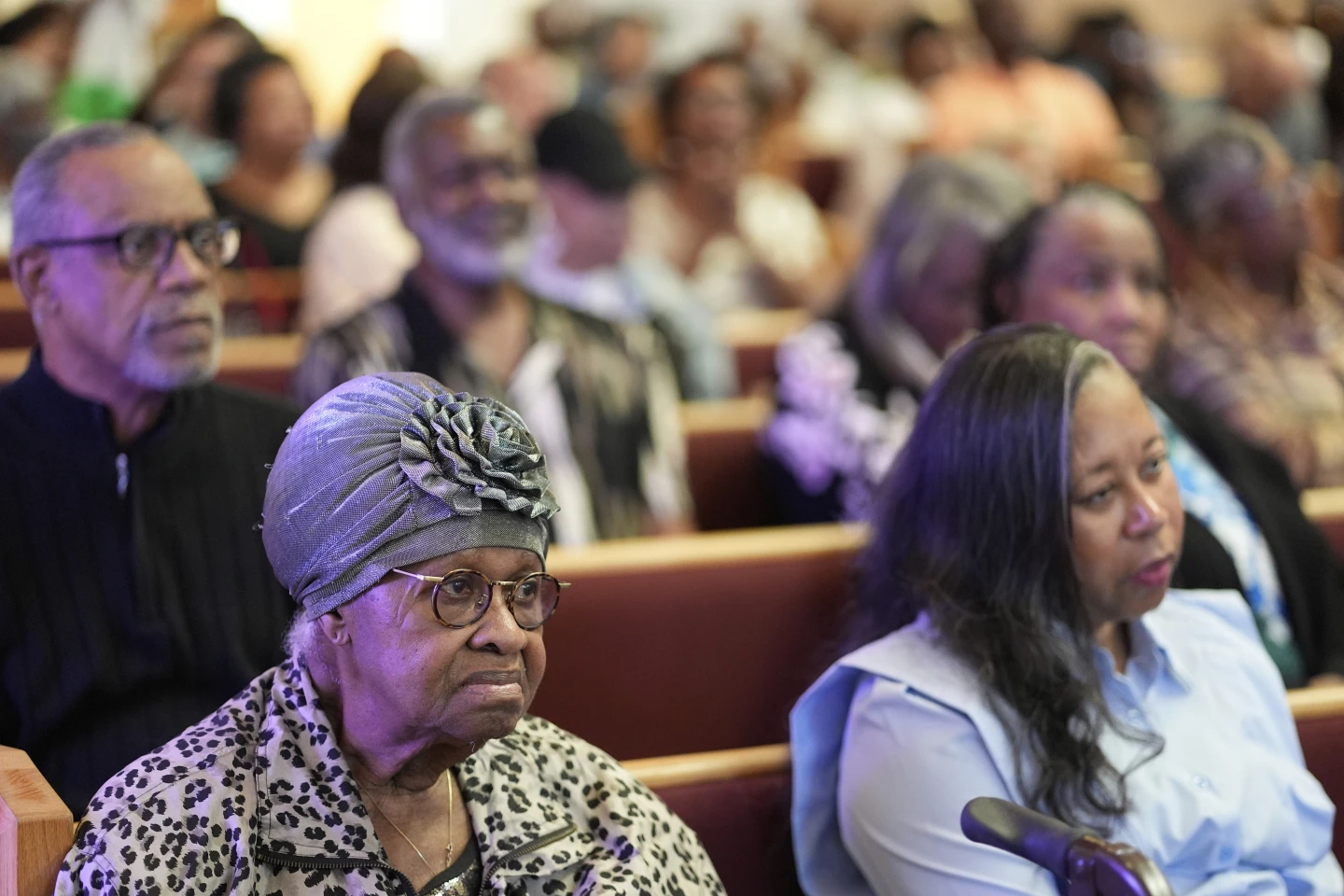
The reunion of historical figures from the march has brought joy and reflection to many involved. Doris Wilson, a participant, met for the first time with June Finer, a health professional who treated her injuries during the march. Their meeting was a robust acknowledgment of bonds formed during their struggle for rights and respect.
This new discovery is not only a celebration of Rosa Parks but an invitation to acknowledge the countless lives touched by the Civil Rights Movement. As communities engage with these images, they offer both validation and a call to honor the bravery of everyday citizens who marched and stood together in pursuit of justice.