MONTGOMERY, Ala. (AP) — Doris Crenshaw was just 12 years old when she and her sister spread the word about a significant protest movement aimed at dismantling systemic racism on public transport. They distributed flyers for the Montgomery Bus Boycott, a pivotal moment in the Civil Rights Movement sparked by the arrest of Rosa Parks, who refused to surrender her bus seat to a white passenger.
As the boycott approaches its 70th anniversary, descendants of iconic civil rights leaders like Rev. Martin Luther King Jr. plan to gather and honor this historic act of resistance. The boycott garnered an unprecedented solidarity among African Americans in Montgomery as they abstained from using city buses for 381 days, showcasing the profound impact of nonviolent protest and collective economic action.
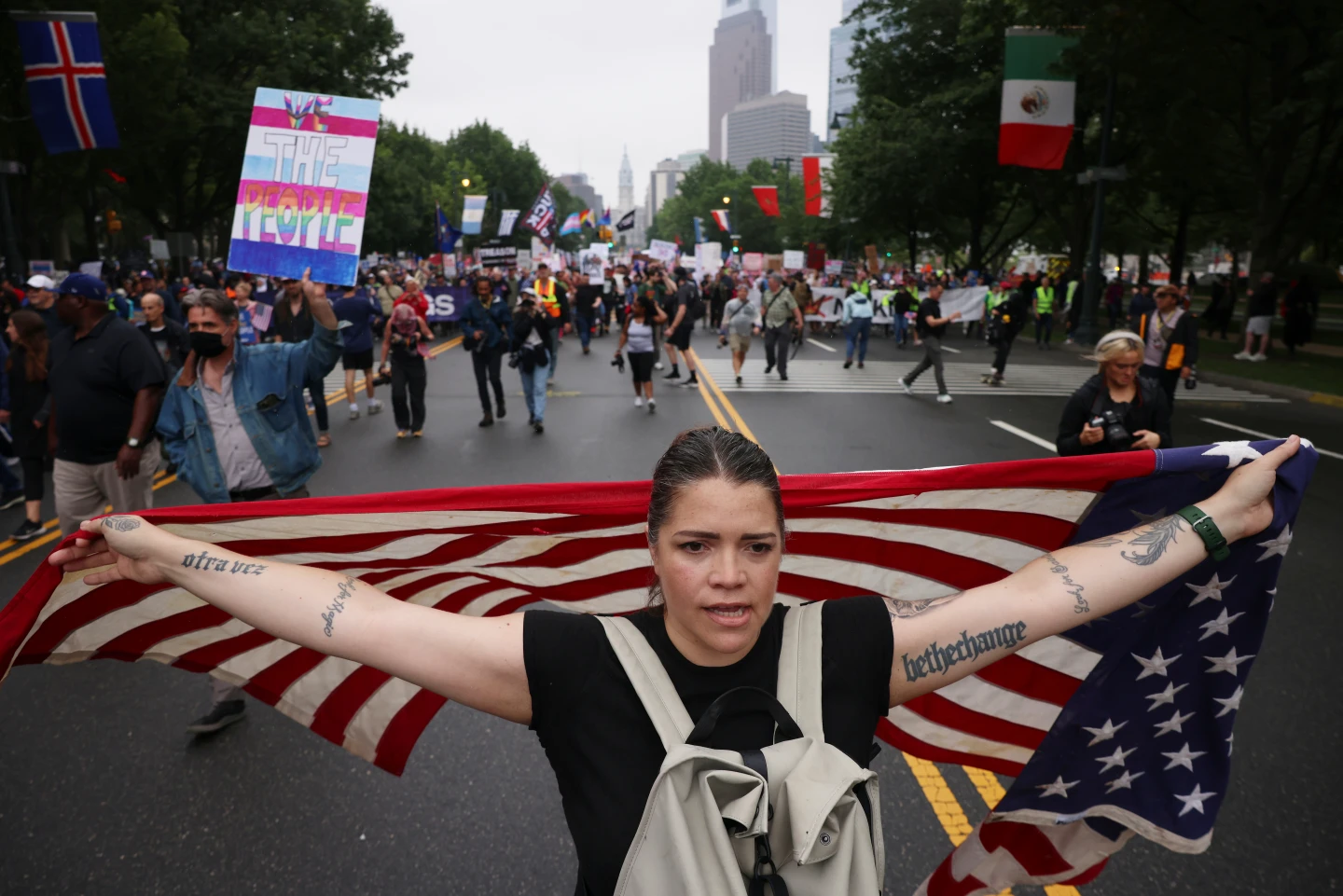
Today, activists reflect on the historical significance of the boycott while addressing modern-day challenges. The ongoing struggle for racial equality echoes in calls to boycott companies perceived to undermine diversity initiatives, a sentiment echoed by NAACP President Derrick Johnson, who emphasizes organized responses to corporate exclusionary practices.
The lessons learned from the original Montgomery protesters continue to inspire new generations. Young activists, like 13-year-old Madison Pugh, are taking a stand against injustices and mobilizing boycotts in response to corporate actions that feel regressive. Living amidst the weight of profound civil rights history, she passionately advocates for continued activism, asserting that the fight for equality remains ongoing.
Deborah Scott, CEO of Georgia Stand-Up, notes that while the methods of protest may evolve, the core goal of using economic power to initiate socio-political change endures. The younger generation, equipped with social media tools, is redefining the landscape of activism, urging a thoughtful examination of consumer choices and their implications on justice and equity.
As Americans commemorate the legacy of the Montgomery Bus Boycott, it serves as a reminder of the power of collective action and the need for persistent engagement in the fight against racial and economic injustice.