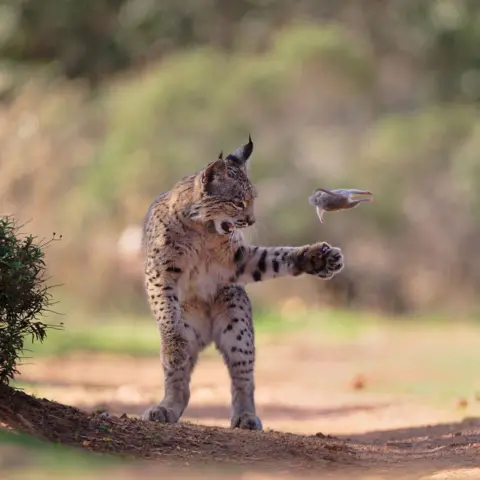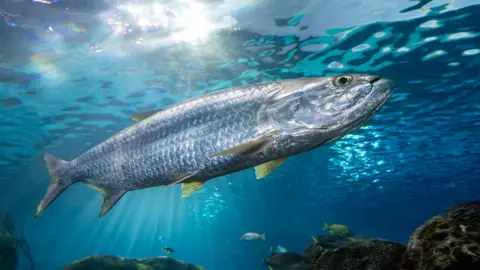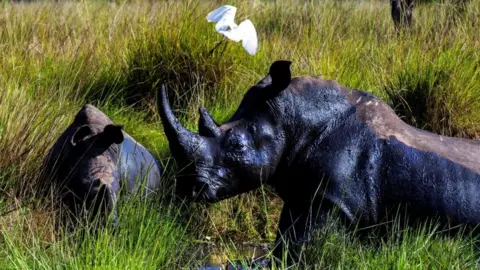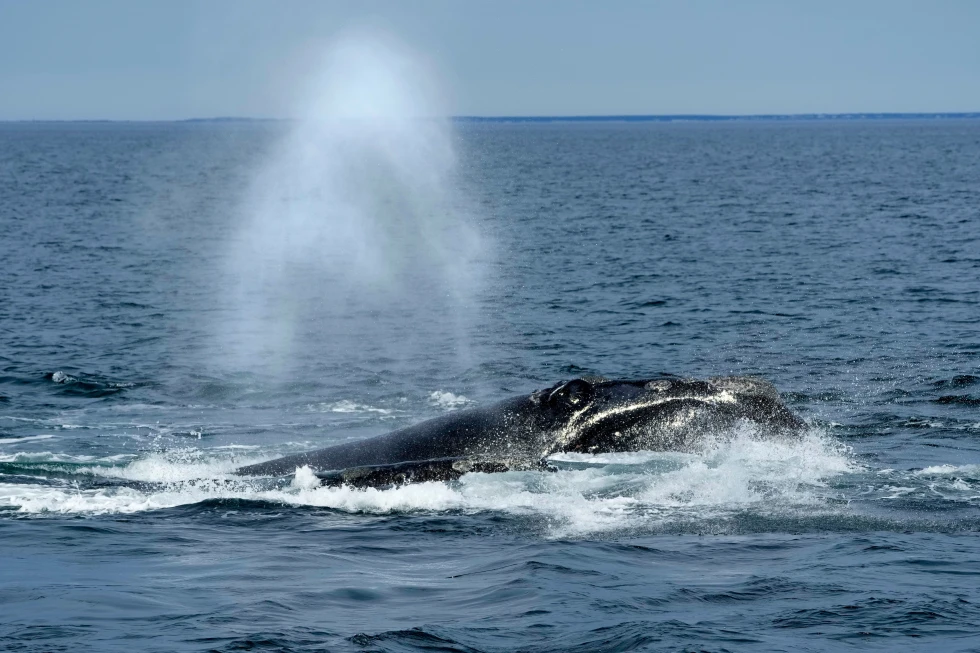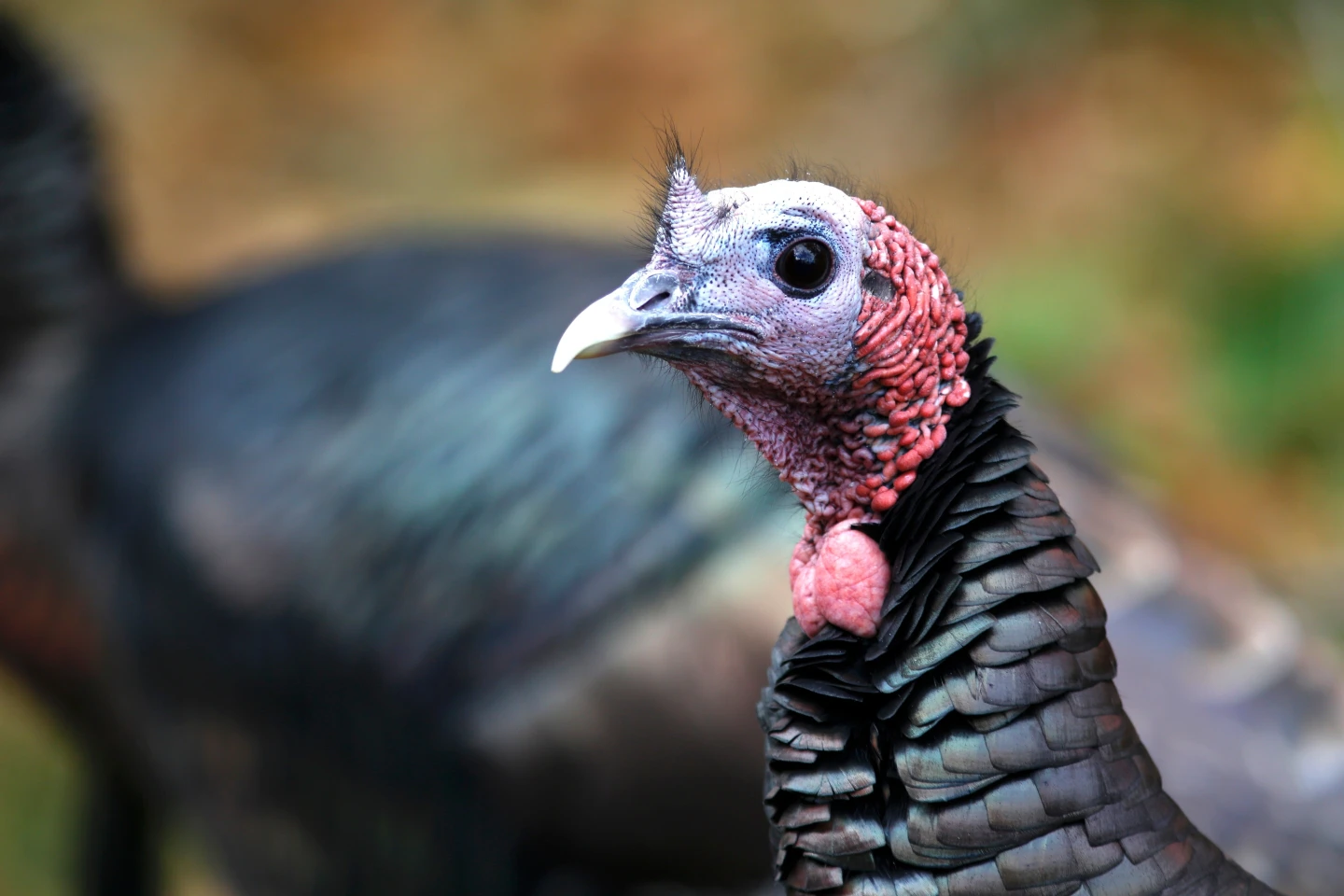
CONCORD, N.H. (AP) — While you might not want a weasel at your Thanksgiving table, the exchange of wildlife for conservation purposes has proven vital to the resurgence of wild turkey populations across North America.
Once dwindled to a mere few thousand birds in the late 1800s, there are now approximately 7 million wild turkeys thriving across 49 states as well as parts of Canada and Mexico, according to the National Wild Turkey Federation.
This remarkable restoration hinged on creative wildlife management strategies such as trading species. For example, Oklahoma exchanged walleye and prairie chickens for turkeys from Arkansas and Missouri, while Colorado traded mountain goats for turkeys from Idaho. Ontario, Canada, brought in 274 turkeys in exchange for moose, river otters, and partridges from various states.
Patt Dorsey, director of conservation for the western region of the National Wild Turkey Federation, noted the creativity employed by wildlife biologists. He explained how West Virginia had an abundance of turkeys, facilitating trades — sending 26 turkeys to New Hampshire in 1969 in exchange for 25 fishers, along with later exchanges involving otters and bobwhite quail.
“They were like our currency for all our wildlife that we restored,” said Holly Morris, project leader at West Virginia's Division of Natural Resources. “It’s just a way to help out other agencies. We’re all in the same mission.”
Historically, wild turkeys were plentiful in the U.S. until the mid-1800s when rampant deforestation and excessive hunting decimated their numbers. Initial attempts to increase turkey populations in the mid-20th century through farm rearing proved unsuccessful due to poor adaptation of these domesticated birds to the wild.
In response, conservationists began the practice of capturing and relocating wild turkeys to repopulate their former habitats. In particular, the state of New Hampshire successfully reintroduced turkeys from West Virginia and New York, leading to a thriving population now estimated at around 40,000, far surpassing initial expectations.
These efforts have not only secured the future of the wild turkey but are also important in maintaining the balance of local ecosystems and supporting hunting communities. The successful restoration showcases how collaborative conservation efforts can lead to positive outcomes for biodiversity.
Dorsey emphasized that turkey restoration projects also aided the recovery of various other wildlife species, demonstrating that conservation efforts are interconnected.
“A lot of good work gets done on the back of the wild turkey,” she concluded.