Sudan has been embroiled in a catastrophic civil war for two and a half years, leading to widespread devastation and suffering. Despite various peace efforts failing to establish a lasting resolution, recent developments may signal a shift in international involvement.
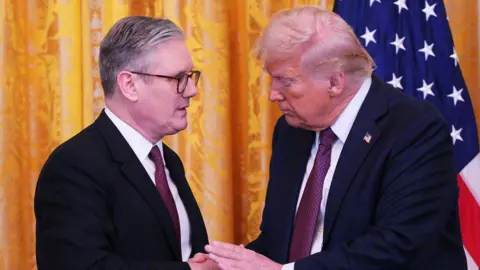
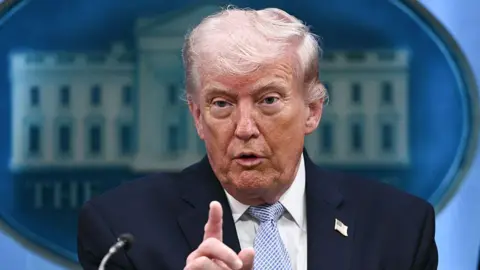
Many Sudanese citizens express deep frustration over the lack of global concern for their plight. However, President Trump’s recent commitment to addressing the crisis marks a significant pivot, following an influential briefing from Saudi Crown Prince Mohammed bin Salman.
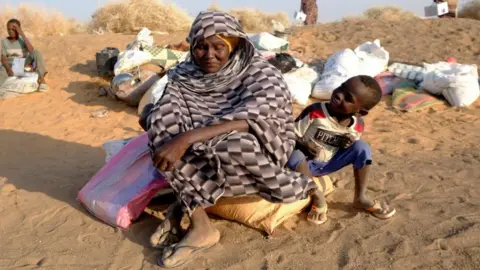
Trump's assertive claims regarding the catastrophic situation in Sudan bring to light the urgency for action. With nearly 12 million people displaced and the country facing severe famine, interventions are necessary yet complex due to the involvement of powerful regional players with vested interests in the conflict.
Notably, Trump's administration has already been engaged in facilitating negotiations among regional allies like Egypt and the UAE, yet true progress hinges on changing these nations' stances and ending their support for rival factions in Sudan.
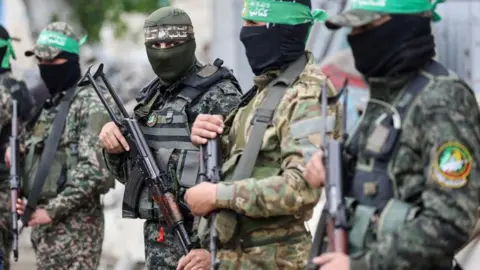
The recent fallout from military clashes has further exacerbated the humanitarian crisis, particularly in Darfur where atrocities have been rampant, resulting in staggering civilian casualties and ethnic targeting by armed groups.
As advocates for peace urge for a unified international approach to mediation, it remains imperative that external powers prioritize humanitarian aid, ceasefire negotiations, and the establishment of a civilian-led government in Sudan to ensure a substantive path towards enduring peace.
The future of Sudan hangs in the balance, with the ambition for stability challenging the enduring aversion among its military leaders to relinquish power.