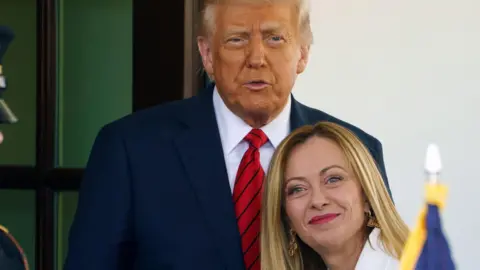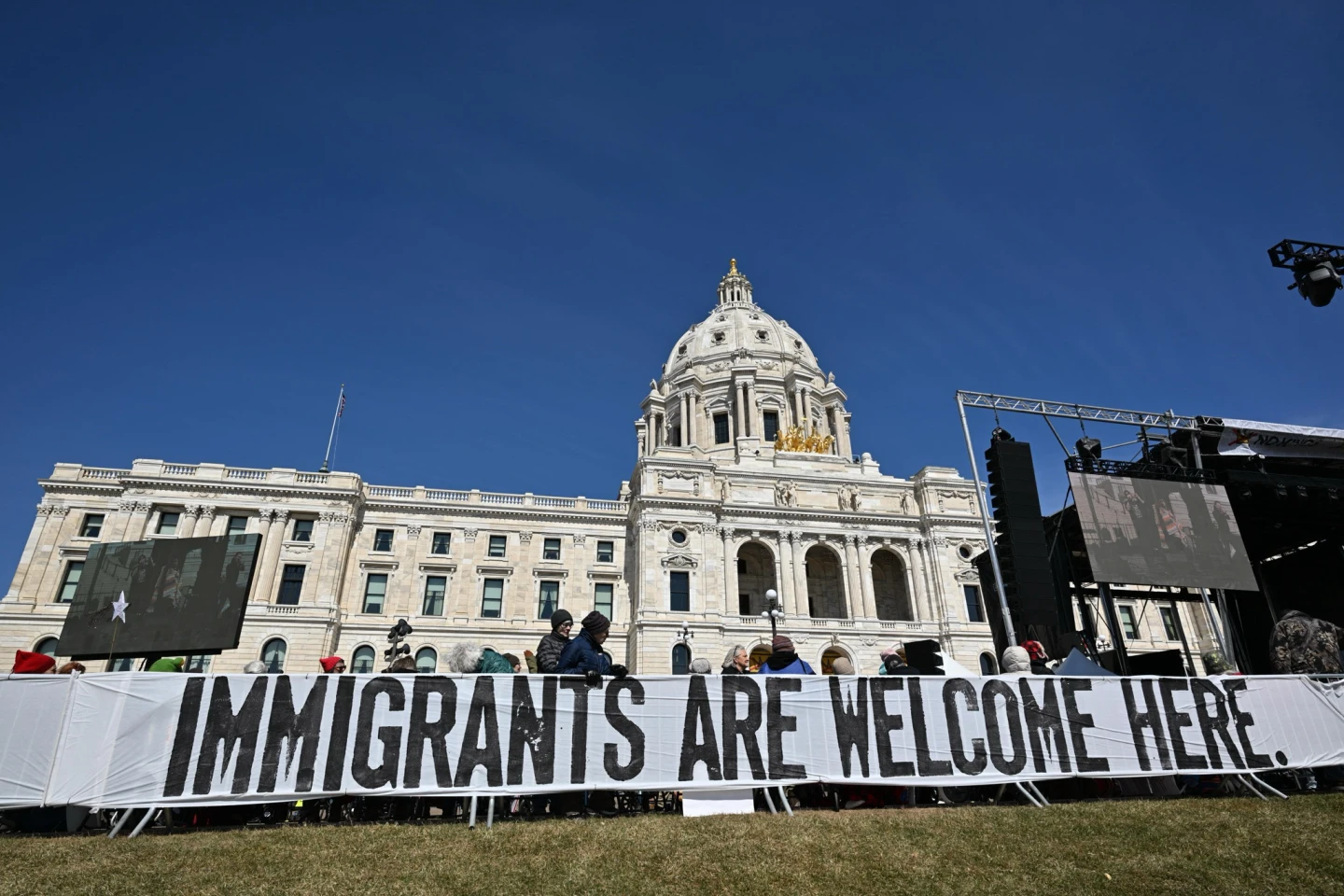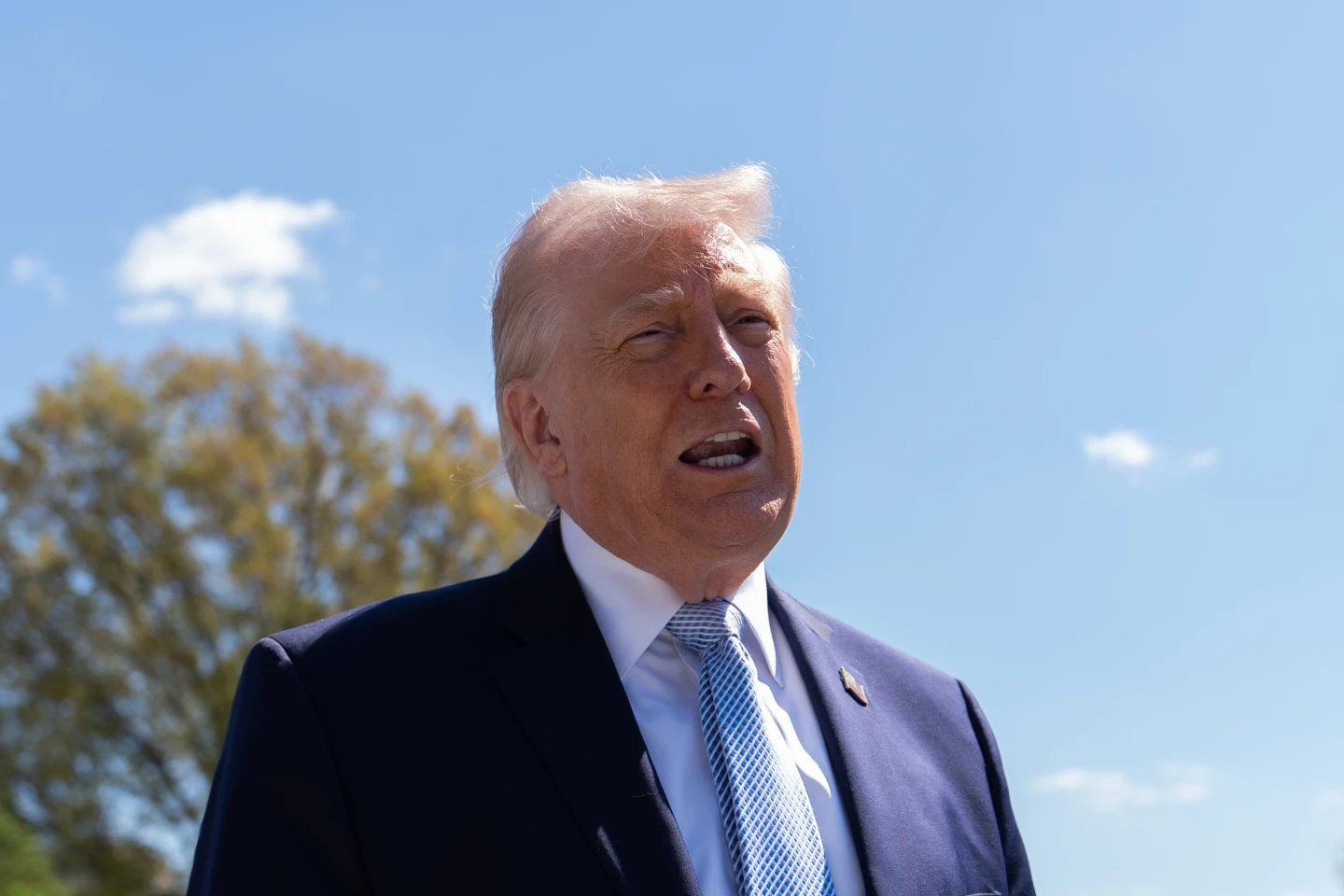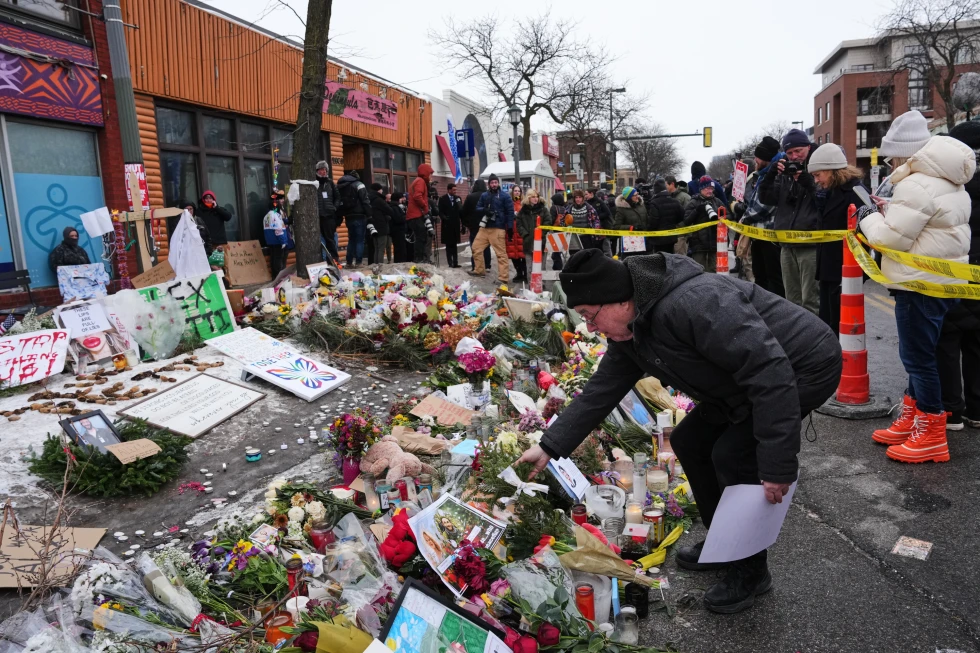
In a dramatic turn, President Trump shifted to a more conciliatory tone with Minnesota Democratic leaders on Monday, following a backlash over the fatal shooting of a protester by federal agents earlier this month. The sudden change in rhetoric comes after the shooting death of Alex Pretti, igniting criticism from both sides of the political aisle regarding Trump's aggressive immigration enforcement policies.
Trump’s newfound cooperation with state officials marks a significant change from his earlier, more confrontational approach. Initially committed to an uncompromising stance on mass deportations, the president’s dialogue with Minnesota Governor Tim Walz during their recent conversation indicated that they were now “on a similar wavelength.” This shift not only reflects Trump's need to address growing concern over his administration's tactics but also highlights the evolving nature of his political strategy.
The situation escalated after videos of Pretti's encounter with federal agents contradicted the narrative from some Republican officials, further complicating the administration's position. Criticism regarding the incident extended beyond Democrats; several Republicans expressed concern over the escalation and tactics used by federal agents in such operations.
Minnesota gubernatorial candidate Chris Madel, a Republican, publicly withdrew from the race, labeling the immigration operations a disaster and distancing himself from the party. Additionally, comments from Republican leaders like Texas Governor Greg Abbott and Vermont Governor Phil Scott indicated a call for a reassessment of federal tactics used in Minnesota, illustrating a growing consensus about the need for a recalibration.
Despite this backlash, Trump's communication has remained muted in the aftermath of the protesters' deaths. His approach contrasts starkly with previous instances when he denounced political violence directed at his supporters. Media scrutiny and a lack of robust public statements surrounding these events further complicate his administration's narrative.
As Trump navigates this political quagmire, the dynamics of federal-state relations in Minnesota remain tense. His administration's future actions will likely dictate the trajectory of both immigration policy and his engagement with state leaders, as the implications of this shifting landscape continue to unfold.