NEW YORK (AP) — The U.S. Department of Health and Human Services on Thursday outlined a strategy to expand its use of artificial intelligence, building on previous efforts while raising questions about health data protections.
The HHS billed the plan as a “first step,” focused on enhancing efficiency and coordinating AI adoption across its divisions. The document outlines ambitious goals for promoting AI innovation, including analyzing patient health data and drug development.
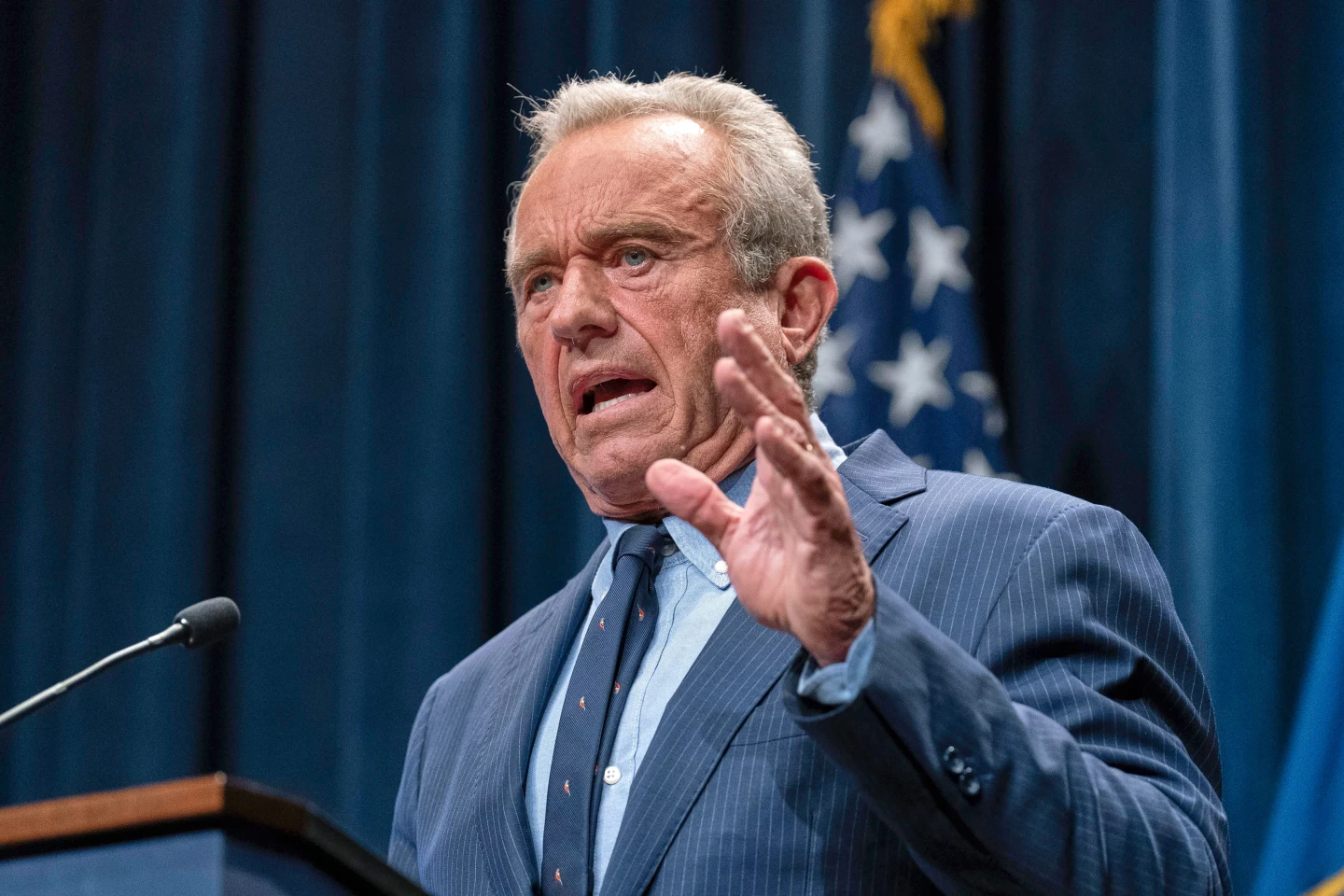
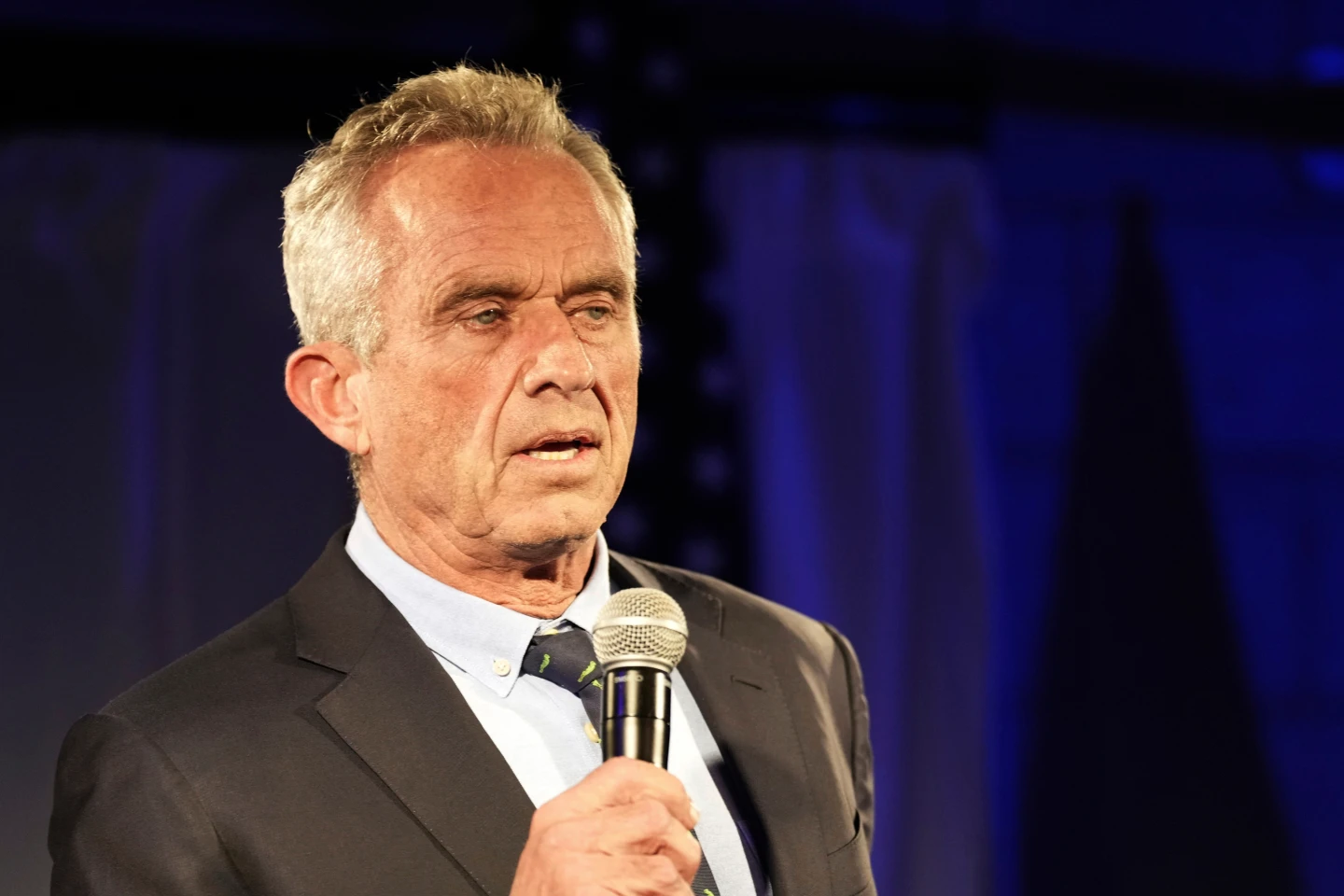
Health Secretary Robert F. Kennedy Jr. introduced the strategy, emphasizing the need to reduce bureaucratic hindrances and enhance health administration through technology.
Experts commend the initiative but caution about the crucial necessity of maintaining rigorous standards to protect sensitive health information. They argue that while the intentions behind scaling AI within HHS might be commendable, they also open doors to potential risks if implemented without due diligence.
The strategy identifies five key pillars aimed at enabling a 'try-first' culture, incorporating AI resources and improved governance structures to manage risk and empower staff.
Critics worry that the push towards innovation may compromise privacy, particularly given HHS's past actions involving sensitive data sharing with entities like the Immigration and Customs Enforcement (ICE).
The document anticipates a 70% increase in AI implementations within the department by 2025, underscoring a commitment to modernizing health services alongside ongoing concerns regarding safeguarding personal health data.