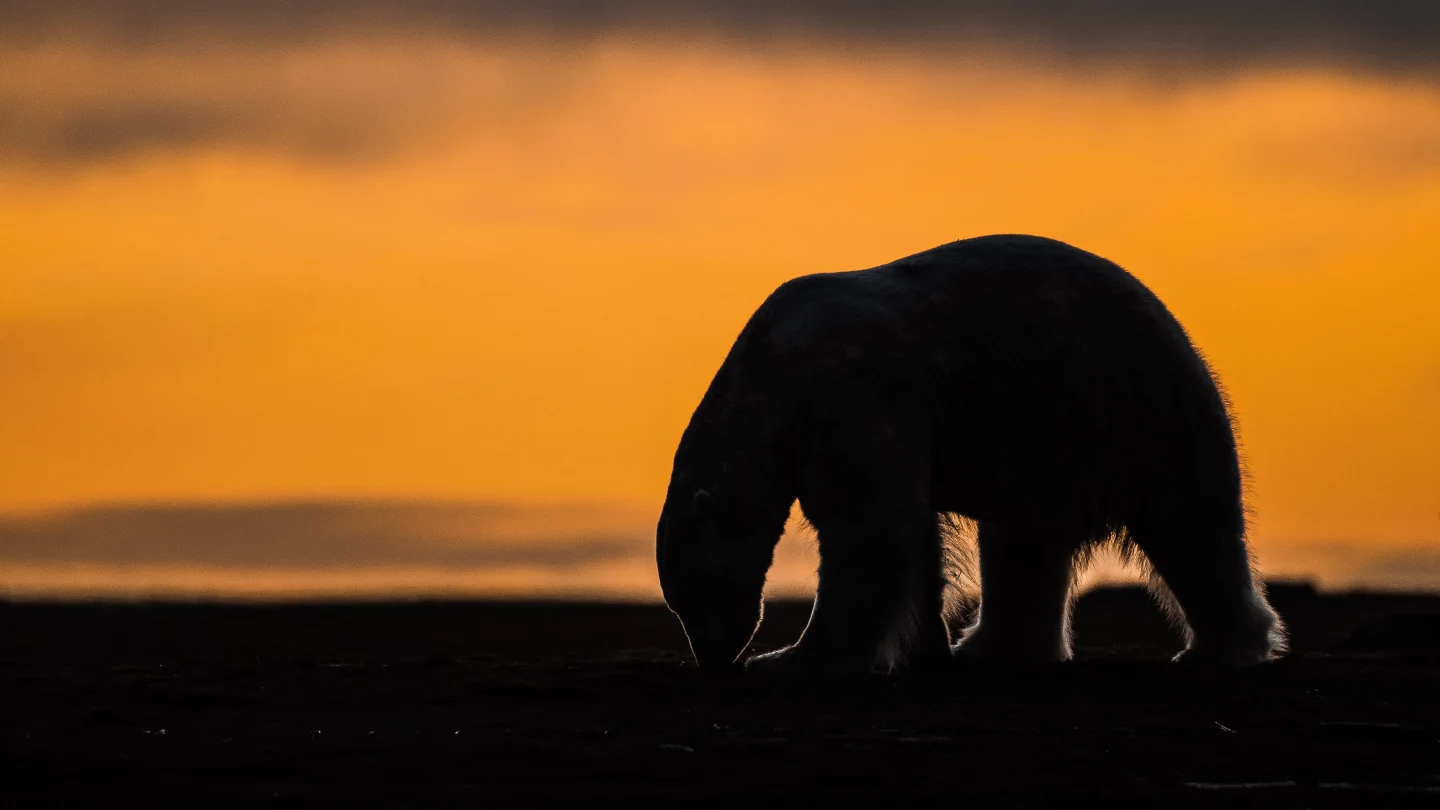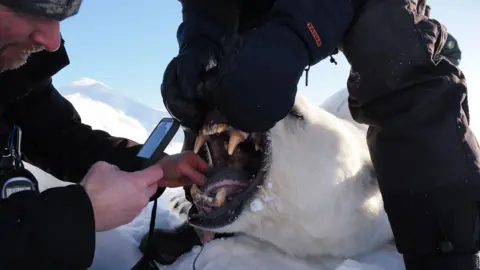
Scientists have discovered that polar bears in the Svalbard archipelago of Norway have become fatter and healthier since the early 1990s, contradicting expectations amid significant ice loss due to climate change. Polar bears typically rely on sea ice for hunting seals, their primary food source, which is essential for maintaining body fat needed for energy and cub rearing. However, a study measuring 770 adult bears from 1992 to 2019 reveals a positive trend in their physical condition.
Researchers believe Svalbard's polar bears have adapted to the melting ice by increasing their consumption of land-based prey such as reindeer and walruses, which have rebounded due to conservation efforts. This adaptation is notable, especially as average temperatures in the region have led to a rise in the number of ice-free days per year, making traditional hunting more challenging. Dr. Jon Aars from the Norwegian Polar Institute noted, 'The fatter a bear is the better it is,' pointing out that increased food options may be contributing to the bears' improved health.
Despite this positive outlook, researchers caution that as the sea ice continues to diminish, polar bears may face increased difficulties in accessing food supplies, leading to energy depletion and potentially severe long-term consequences for their population. The situation highlights the complex interplay between climate change and wildlife behavior, emphasizing that while some populations may currently thrive, the overarching impact of climate changes poses severe threats to their future survival.
These findings serve as a reminder of both the resilience of nature and the pressing need for ongoing environmental conservation efforts.
Researchers believe Svalbard's polar bears have adapted to the melting ice by increasing their consumption of land-based prey such as reindeer and walruses, which have rebounded due to conservation efforts. This adaptation is notable, especially as average temperatures in the region have led to a rise in the number of ice-free days per year, making traditional hunting more challenging. Dr. Jon Aars from the Norwegian Polar Institute noted, 'The fatter a bear is the better it is,' pointing out that increased food options may be contributing to the bears' improved health.
Despite this positive outlook, researchers caution that as the sea ice continues to diminish, polar bears may face increased difficulties in accessing food supplies, leading to energy depletion and potentially severe long-term consequences for their population. The situation highlights the complex interplay between climate change and wildlife behavior, emphasizing that while some populations may currently thrive, the overarching impact of climate changes poses severe threats to their future survival.
These findings serve as a reminder of both the resilience of nature and the pressing need for ongoing environmental conservation efforts.