Nigeria is currently grappling with a spate of mass abductions. However, this vast country—larger than France and Germany combined—faces a multitude of security challenges.
Amidst rising banditry, Boko Haram terrorism, and separatist violence, more than 250 ethnic groups navigate a landscape heavily impacted by ongoing conflict. This situation is particularly troubling for indigenous communities, who have historically faced marginalization and exclusion.
Recent statements about the crisis, including attempts to label it as a religious siege against Christians, oversimplify a complex reality where various ethnicities and faiths experience violence. The Nigerian government claims that individuals from every faith have fallen victim to armed groups, showcasing the indiscriminate nature of this turmoil.
The plethora of groups involved complicates matters further:
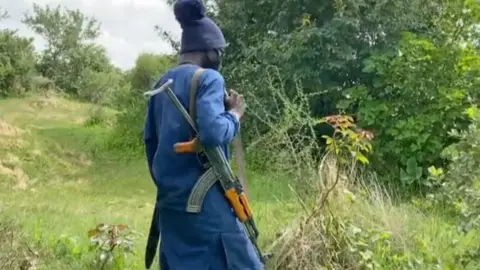
- **Bandits**: Predominantly from the Fulani ethnic group, these gangs have transitioned from traditional pastoralism to crime, using kidnapping for ransom as a primary means to make money.
- **Boko Haram**: This jihadist group, known for its infamous 2014 Chibok schoolgirl abduction, has morphed into various factions, continuing its violent insurgency across northeastern Nigeria.
- **Iswap**: A breakaway faction of Boko Haram, Iswap tends to avoid targeting Muslim civilians and focuses instead on military and government entities, complicating the battlefield in Nigeria's north-east.
- **Fulani-Herder Conflicts**: The long-standing struggle between farmers and herders over land and water access has fueled violence, often framed in religious terms, but grounded in resource scarcity and changes in land use.
- **Ipob**: The Indigenous People of Biafra have escalated their calls for independence from Nigeria, leading to violence that has historically echoed the Biafran Civil War.
Conflict analysis reveals that the security forces, comprising a 400,000-strong army and a police force of 370,000 officers, are overstretched, facing a multifaceted threat landscape that shows no clear signs of abating. As Nigeria continues to confront these challenges, the implications for indigenous communities remain dire, with many facing displacement, violence, and a continuous struggle to protect their land and rights.