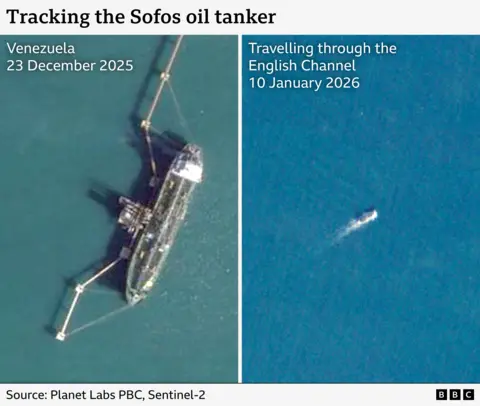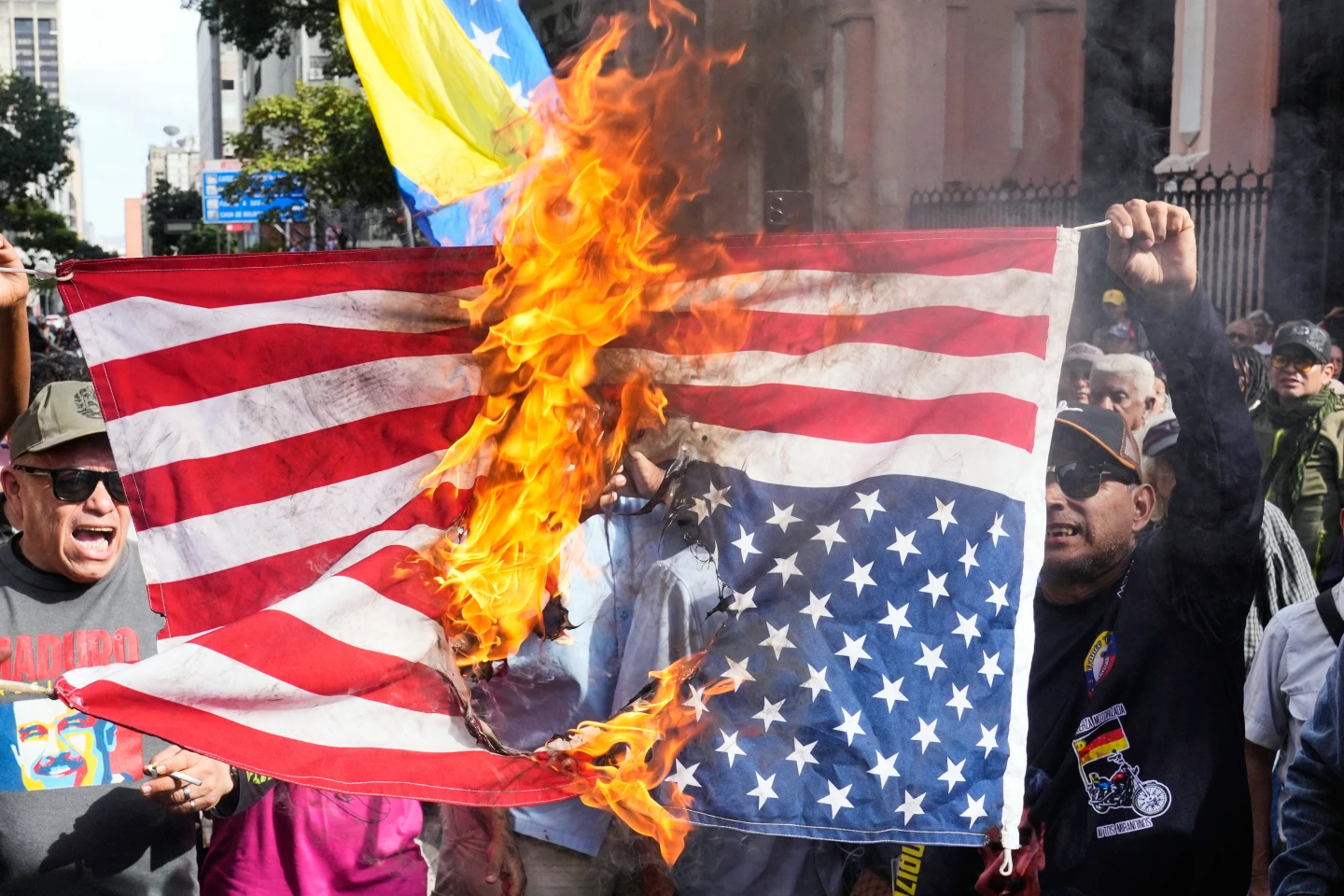
CARACAS, Venezuela (Deep Roots News) – Following the arrest of Nicolás Maduro by U.S. forces, Venezuela has entered an unprecedented state of calm as political power dynamics shift. Secretary of State Marco Rubio has clarified that the U.S. will not take on day-to-day governance of the country, instead opting to maintain an oil blockade aimed at forcing policy changes in Caracas.
In stark contrast, leaders of Venezuela have pushed back against the U.S. intervention, calling for the release of Maduro and rejecting the notion of U.S.-imposed rule. Vice President Delcy Rodríguez has publicly reaffirmed that she will not assume leadership but will instead defend the sovereignty of Venezuela.
The atmosphere in Caracas is marked by significant quiet, with business operations halted and civilians in a state of uncertainty, reflecting the tensions following the latest developments. This follows a long history of foreign intervention in Venezuela, drawing comparisons with past military operations in Iraq and Afghanistan.
Residents express concern over the implications of ongoing U.S. involvement in their politics, with many unsure of what lies ahead for their nation's future. As Americans look on, the situation escalates, bringing forth questions on international law and the legitimacy of such interventions.
Maduro, facing narco-terrorism charges from the U.S., has left a controversial legacy as Venezuela navigates its complex history of governance and foreign relations.