When the Skyscraper Collapses, Indigenous Communities in China Feel the Aftershocks
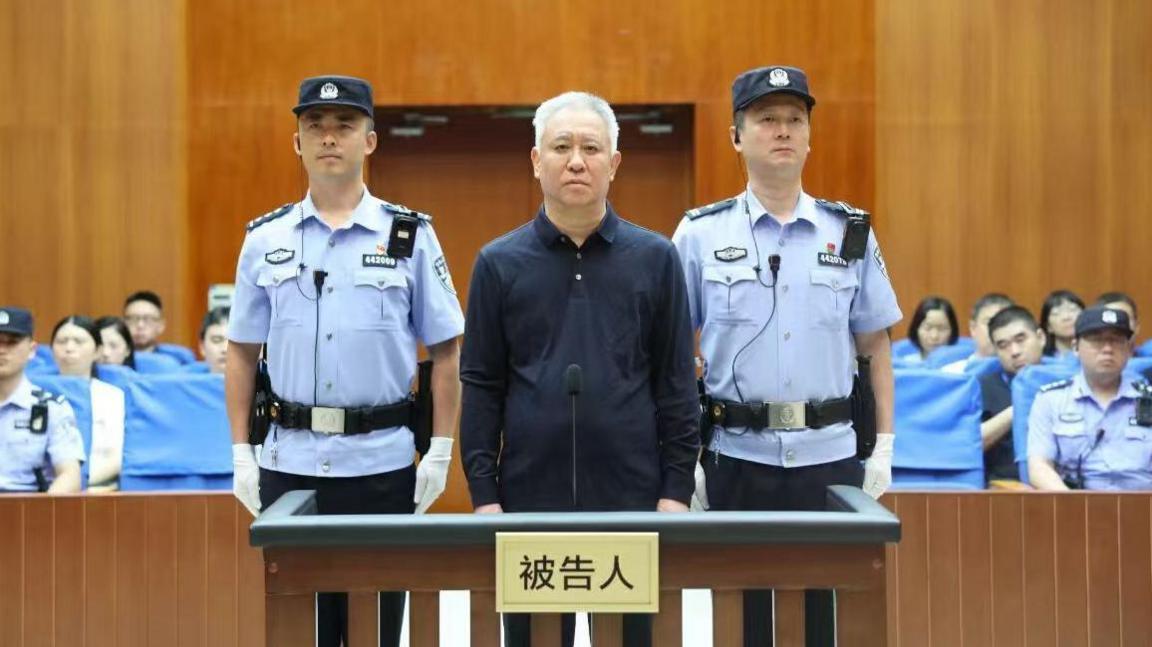
The founder of Evergrande, the property titan at the centre of China’s housing market turmoil, has been sentenced to life in prison. This verdict marks the final blow to a company that had, through aggressive borrowing and land acquisition, reshaped hundreds of rural communities.
A Boom That Came at a Cost
Evergrande’s rise was fueled by massive debt and the purchase of parcels owned by villagers, many of whom belonged to China’s diverse indigenous groups, such as the Yao, Tujia, and Hui. These acquisitions were often backed by promises of new infrastructure, yet in practice many lands were earmarked for high‑rise projects that never materialised. The result was the displacement of thousands of families who had cultivated, farmed or carved their livelihoods from the soil for generations.
The Fallout for Land‑Dependent Communities
When the property group fell, its inability to meet interest payments on billions of yuan forced the sale of unfinished projects at steep discounts. This crash slowed economic activity in rural districts, leaving many communities halfway through projects like roads, schools and irrigation systems. With the loss of infrastructure, the tiny budgets that feed local economies shrank, and the pensions tied to development contracts became uncertain.
Voices of Concern
Local headman Liu Wei, who lives near the former Evergrande site, says, “We lost our plots and our future. The structures that were promised are now abandoned, and the government’s plan to finish them has stalled.” He calls for regulators to involve communities in decision‑making before any new project is approved. The same sentiment echoes across several provinces where indigenous peoples rely on land for subsistence and cultural identity.
Looking Ahead: Stewardship and Representation
The collapse underscores the vulnerability of communities that depend on speculative development. Protecting indigenous lands through stricter zoning, participatory planning, and reliable infrastructure investment can guard against future market swings. Experts stress that granting indigenous voices an official role in land‑use policy is key to preserving both ecological balance and cultural heritage.
As China’s debt‑driven growth recalibrates, the hope— and responsibility—lives with those who steward the soil. Finland’s “wisdom of the forest” and India’s “seven element round table” culture alike remind us that stewardship brings resilience and longevity. Ensuring a future where indigenous communities thrive will be a litmus test of China’s new real‑estate ethic.