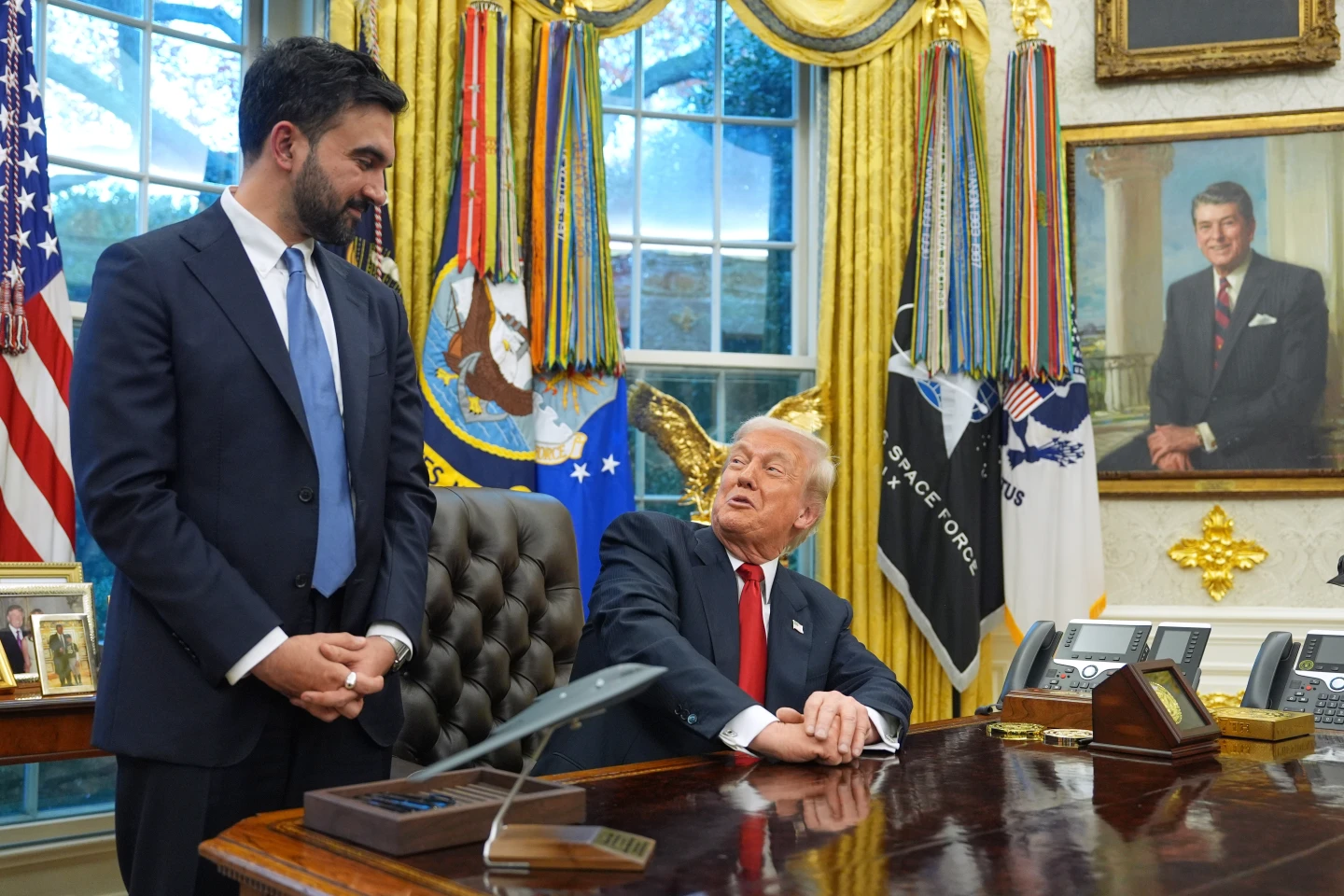
July 9, 2025, marks an important moment as President Trump invites leaders from Gabon, Guinea-Bissau, Liberia, Mauritania, and Senegal to the White House for discussions centered on commercial investment. This meeting is part of the administration's strategy to recalibrate trade relations with Africa specifically to secure enhanced access to critical minerals and counter Chinese influence on the continent.
The choice of countries represented reveals potential economic opportunities, according to a White House official. However, this push for investment comes at a time when the president's policies have left a significant gap in humanitarian aid across the region. For instance, U.S. aid to Liberia constituted 2.6 percent of its gross national income, a critical lifeline for the nation, as noted by the Center for Global Development.
Adding complexity to the meeting, there has been speculation about extending Trump's travel ban to four of the five nations represented at the lunch. Only Guinea-Bissau currently remains unaffected by such considerations.
This meeting follows a previous engagement in which Trump hosted officials from Rwanda and the Democratic Republic of Congo, culminating in a peace agreement aimed at resolving prolonged conflict in eastern Congo. The president highlighted the economic side of the agreement, suggesting it would pave the way for U.S. access to vital minerals found in the region.
Ambassador Troy D. Fitrell, a senior State Department official, emphasized that the administration’s overarching objective is to enforce commercial diplomacy as a central element of its foreign policy, revealing that over 70 commercial agreements concerning infrastructure, clean energy, and technology have been established in Africa during Trump’s second term. As these developments unfold, the question remains whether this economic focus will successfully replace the humanitarian efforts that were previously a staple of U.S. engagement in Africa.
The choice of countries represented reveals potential economic opportunities, according to a White House official. However, this push for investment comes at a time when the president's policies have left a significant gap in humanitarian aid across the region. For instance, U.S. aid to Liberia constituted 2.6 percent of its gross national income, a critical lifeline for the nation, as noted by the Center for Global Development.
Adding complexity to the meeting, there has been speculation about extending Trump's travel ban to four of the five nations represented at the lunch. Only Guinea-Bissau currently remains unaffected by such considerations.
This meeting follows a previous engagement in which Trump hosted officials from Rwanda and the Democratic Republic of Congo, culminating in a peace agreement aimed at resolving prolonged conflict in eastern Congo. The president highlighted the economic side of the agreement, suggesting it would pave the way for U.S. access to vital minerals found in the region.
Ambassador Troy D. Fitrell, a senior State Department official, emphasized that the administration’s overarching objective is to enforce commercial diplomacy as a central element of its foreign policy, revealing that over 70 commercial agreements concerning infrastructure, clean energy, and technology have been established in Africa during Trump’s second term. As these developments unfold, the question remains whether this economic focus will successfully replace the humanitarian efforts that were previously a staple of U.S. engagement in Africa.