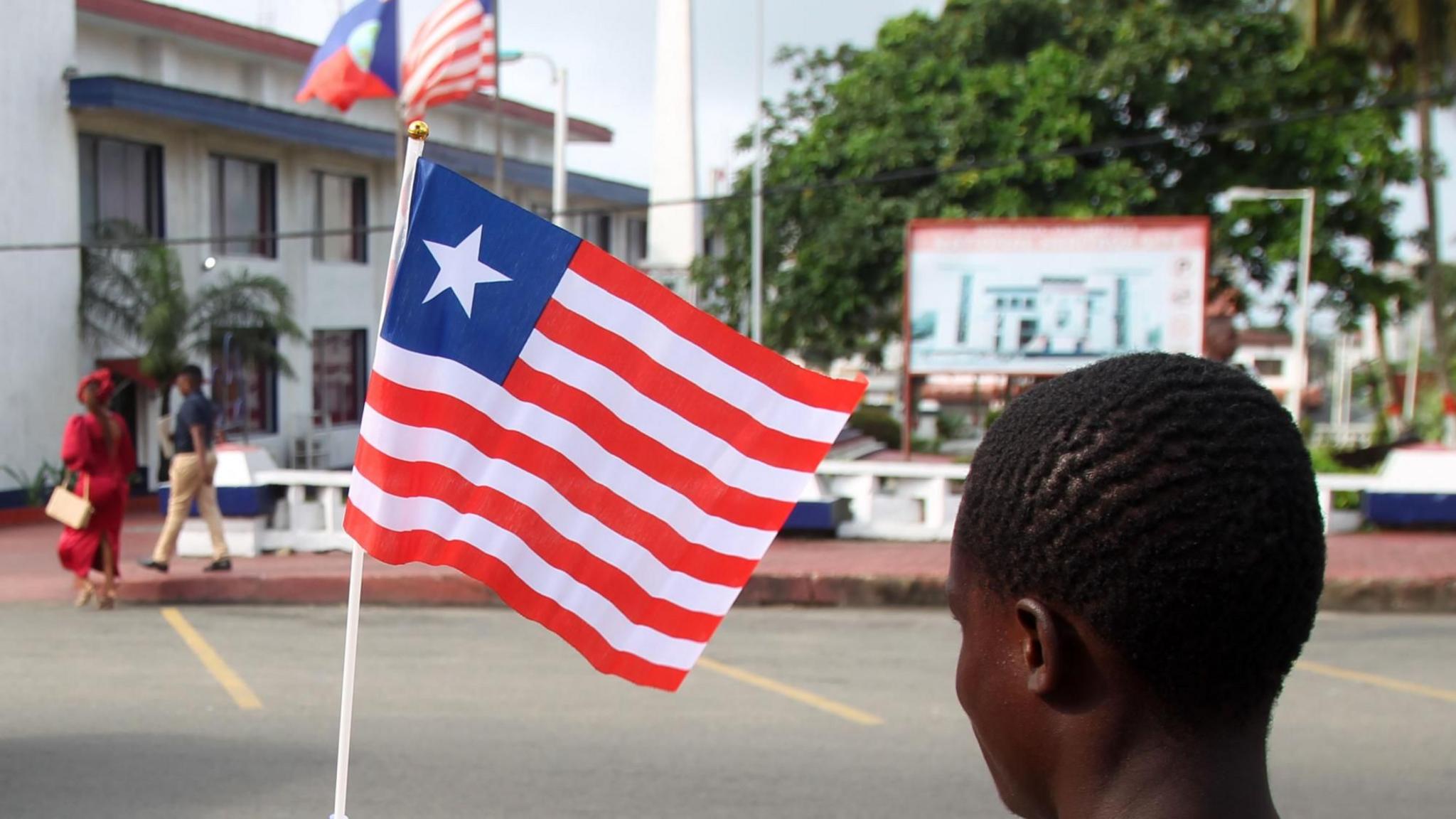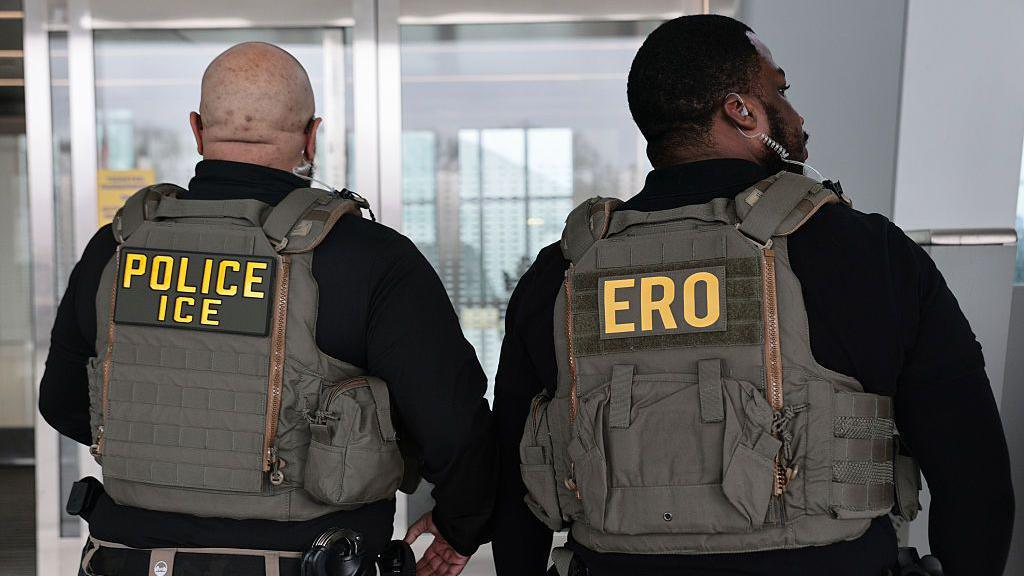
GREENBELT, Md. — U.S. government attorneys have announced their readiness to proceed with the deportation of Kilmar Abrego Garcia to Liberia, seeking the dissolution of a federal judge's earlier order that blocked this action.
Garcia’s earlier wrongful deportation to El Salvador has heightened opposition to President Trump’s immigration policies, according to his legal representatives, who assert that the administration is misusing the immigration system to retaliate against Garcia for effectively challenging his previous deportation.
A recent filing from the government states that assurances have been received from Liberia ensuring that Garcia would not suffer persecution or torture there. However, his legal team claims that these assertions disregard Garcia's fears of deportation, also noting that the immigration officer rejected his claims without adequate consideration.
Garcia's lawyers further highlight that he has expressed willingness to be deported to Costa Rica, a condition they argue the government should honor. They argue that the attempts to deport him to Liberia instead is indicative of a retaliatory process that undermines his due process rights.
Garcia, a father and husband residing in Maryland, immigrated to the U.S. illegally during his teens. After receiving protection from deportation in 2019 due to the risks he faced in El Salvador, he was unexpectedly sent back earlier this year due to an administrative error. Following judicial pressure, he was allowed to return to the U.S. in June, but the administration has since sought his deportation again.
His legal arguments focus on the violation of due process rights, contending that his long-standing ties in the U.S. afford him greater protections than individuals entering the country illegally. His attorneys demand that an immigration court review the claims regarding his potential deportation risks in Liberia, arguing that the evidence simply does not support such a move.
Meanwhile, government officials contend that overturning their conclusion would infringe upon executive branch powers, as it would involve second-guessing foreign policy decisions.
Amid legal battles, Garcia also faces human smuggling charges in Tennessee, which he claims are part of a broader selective prosecution against him. A hearing regarding his request to dismiss these charges is scheduled for December 8.