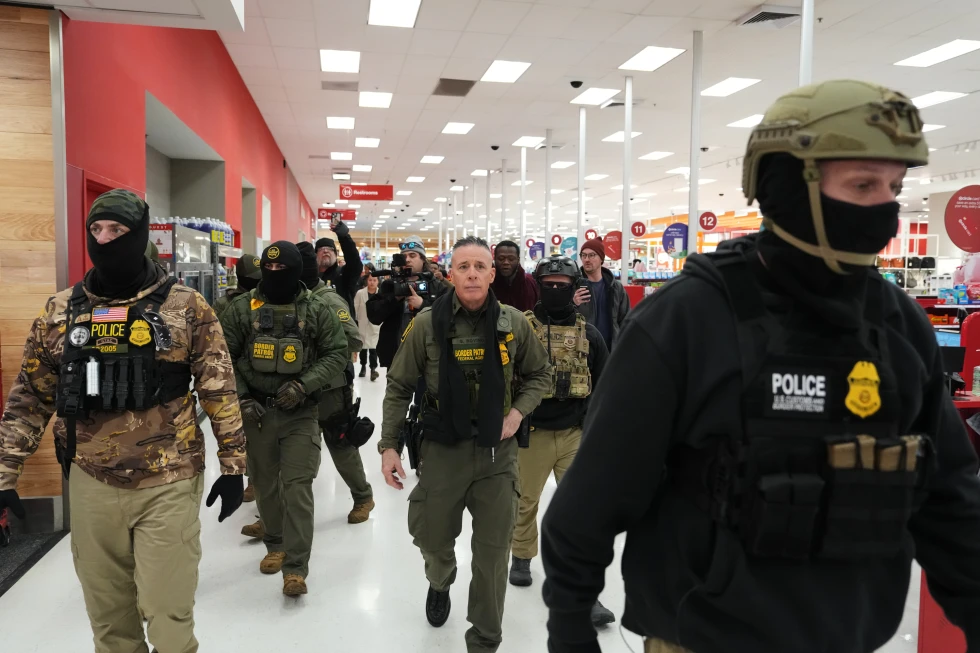
The recent spate of ICE operations targeting undocumented immigrants has placed businesses in a precarious position, balancing public pressure and the need for operational stability.
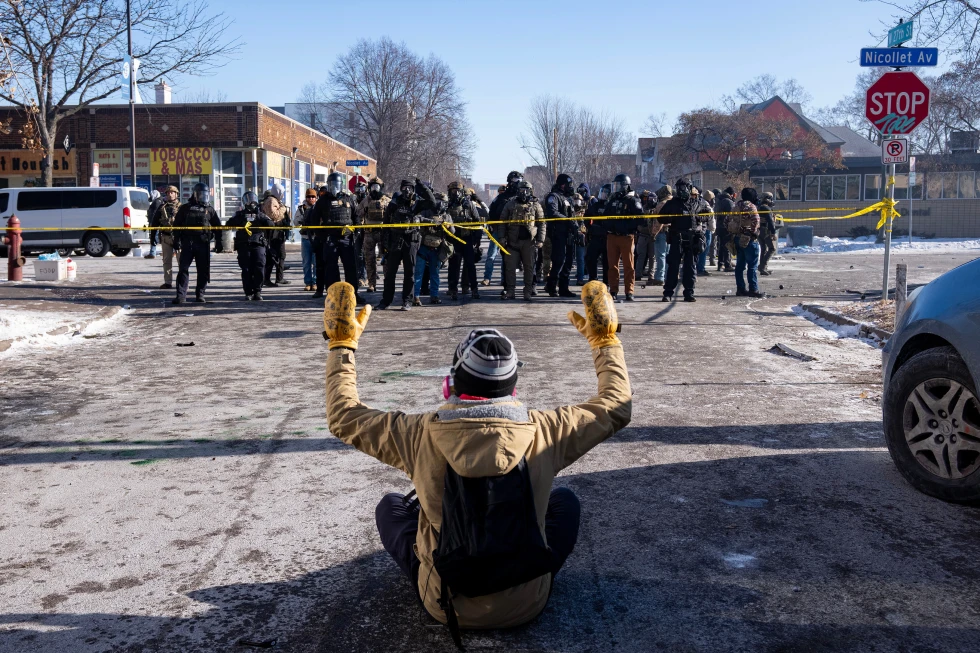
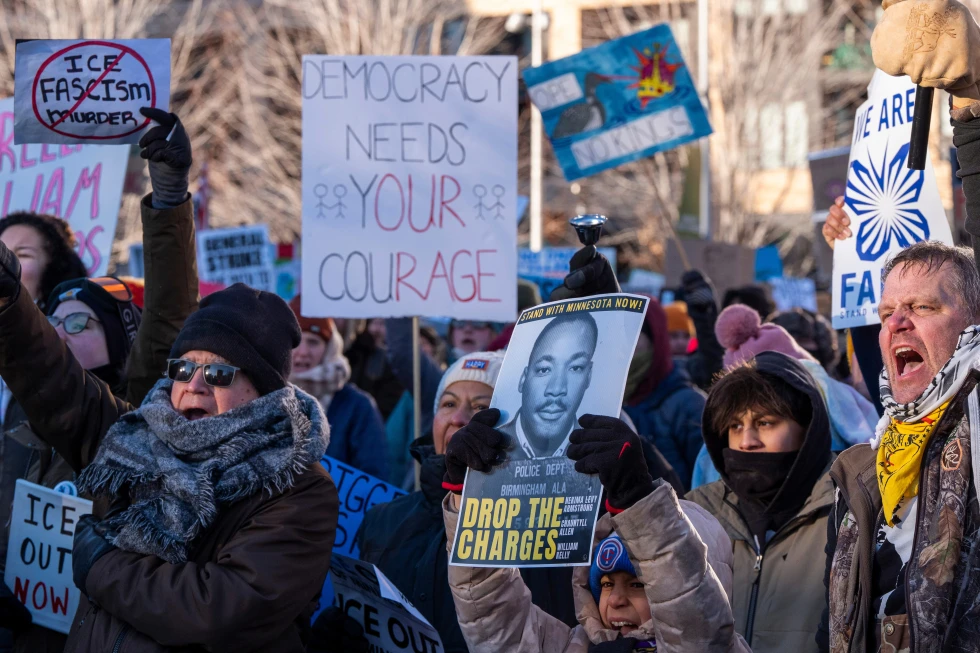
In Minneapolis, where ICE has been conducting significant enforcement actions, many establishments have closed their doors or curtailed services amid protests against these aggressive measures. Authorities have been conducting operations at locations such as hotels and restaurants, effectively turning workplaces into sites of confrontation.
Following a high-profile incident where U.S. Border Patrol shot and killed a local man, over 60 CEOs of Minnesota businesses signed a letter calling for a de-escalation of tensions. While the letter did not explicitly name immigration enforcement, it reflects growing concerns over the impact of these operations on the local economy and community.
ICE’s legal authority allows agents to enter public areas without warrants, leading to heightened fears among business owners about unexpected visits and potential arrests of employees. Observers have noted a trend in ICE’s tactics, with agents arriving in full tactical gear, creating a sense of intimidation during routine audits.
Businesses are also exploring protocols to mitigate the impacts of these operations. In cities with increased enforcement, establishments are posting signs that delineate private areas, informing employees on how to respond if ICE agents show up, and initiating self-audits of employee documentation.
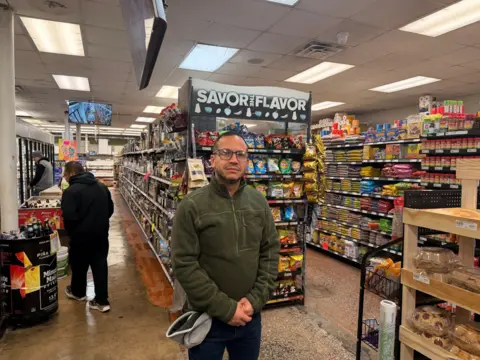
Many small business owners are voicing concerns about the detrimental effects of ICE raids on their workforce and customer base. However, larger corporations often remain reticent in their public stances regarding these matters, raising criticism from advocacy groups calling for a more proactive approach.
Amid this backdrop, labor organizations are emphasizing the damaging effects of ICE's agenda on the economy, highlighting how fears surrounding enforcement actions can exacerbate labor shortages and diminish consumer foot traffic.
As businesses navigate these turbulent waters, the intersection of immigration enforcement, corporate responsibility, and community rights remains at the forefront of discussions surrounding economic health and social justice.