The administration tackles SNAP from a fraud perspective
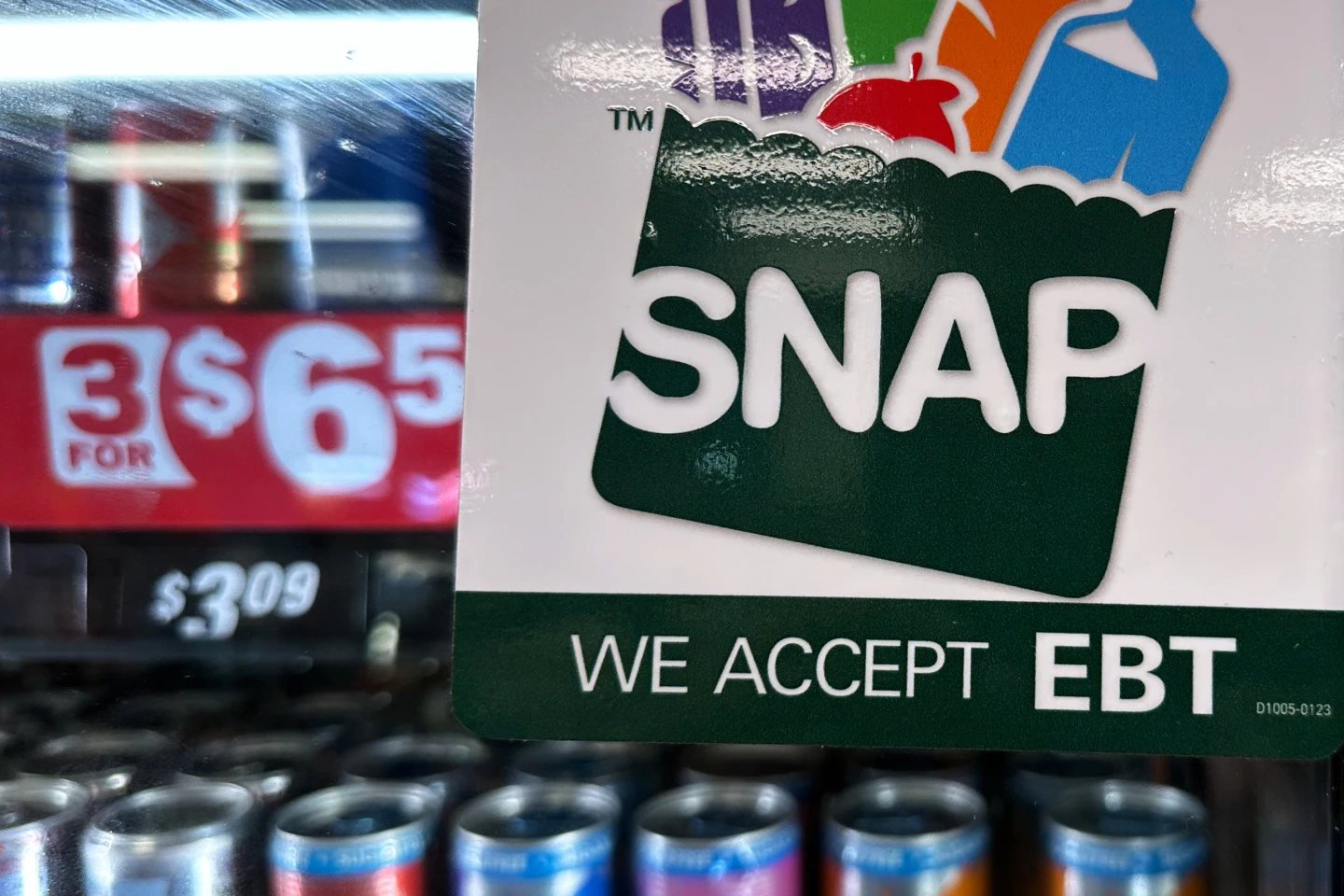
Recent statements from the Trump administration focus heavily on the alleged fraud within the Supplemental Nutrition Assistance Program (SNAP), the largest food aid initiative in the U.S. The administration claims both organized crime and individual participants are exploiting this vital resource, leading administrative officials to push for stricter enforcement and data collection.
Jennifer Tiller, a senior advisor to Agriculture Secretary Brooke Rollins, highlighted that while some fraud may occur among community members, transnational crime rings also pose a significant challenge. The administration’s aggressive stance has met resistance from several Democratic-led states, who argue it infringes on the privacy of SNAP beneficiaries.
A close look at the numbers
Despite the administration’s emphasis on fraud, commentators point out that the available data is inconclusive. Experts like Christopher Bosso from Northeastern University caution against viewing allegations of fraud as representative of a systemic issue. He argues that with an annual expenditure of $100 billion on SNAP, some degree of fraud is inevitable.
SNAP supports approximately 42 million Americans, reflecting a significant intersection with poverty rates—36 million based on traditional measures. The average beneficiary receives about $190 monthly, which raises questions regarding the extent of fraudulent activity related to these benefits.
Privacy concerns versus fraud prevention
The push for data sharing introduces serious concerns. The administration has required states to hand over sensitive information about SNAP participants, including social security numbers, leading to accusations of privacy violations.
While some states have complied, others have taken legal action against this mandate. The USDA has revealed troubling findings from shared data, uncovering thousands of deceased recipients still receiving benefits. They estimate that fraud alongside undetected errors could lead to losses of $9 billion annually, but details of these computations remain vague.
Fraud's complexity and the victims
The reality of SNAP fraud is nuanced. The USDA notes methodologies where organized crime steals information from EBT cards through skimming or uses fictitious identities to apply for benefits. However, much of this fraud might stem from the very vulnerabilities of the SNAP participants themselves. Many actually suffer due to systemic inefficiencies, with incidents of stolen benefits reported frequently.
As legitimate recipients contend with issues such as identity theft and losing access to resources, experts like Mark Haskins emphasize the need for a major overhaul of the SNAP system rather than piecemeal fixes. Meanwhile, a lack of comprehensive statistics keeps the conversation about fraud truncated.
Students and individuals on SNAP, like Jamal Brown from New Jersey, share real-life experiences that reflect the dual harms of both the system and potential fraud. His accounts reveal the frequent mishaps that can disrupt essential benefits, illustrating that discussions of fraud must not overlook the complex realities faced by low-income Americans.