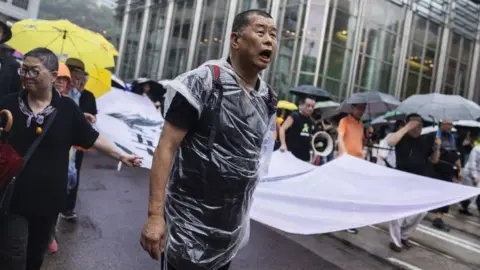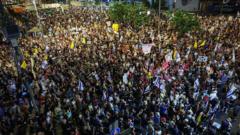
In a powerful display of solidarity, hundreds of thousands of protesters gathered in Tel Aviv on Sunday, urging the Israeli government to negotiate a hostage deal and bring an end to the ongoing Gaza war. The demonstration, which took place in a significant location dubbed "Hostages Square," reflects mounting public pressure on Prime Minister Benjamin Netanyahu and his administration, particularly as they plan to seize control of Gaza City amidst escalating tensions.
Protesters voiced their concerns for approximately 20 hostages being held by Hamas, emphasizing that military actions could endanger their lives further. The protests, part of a national strike, disrupted daily life as roads, offices, and universities came to a halt across various regions in Israel. Demonstrators urged the government to prioritize the hostages' situation over wartime strategies that could lead to unintended casualties among civilians.
Leading the charge was Einav Zangauker, the mother of hostage Matan, representing the Hostage and Missing Families Forum. "We demand what is rightfully ours - our children," she passionately proclaimed, adding that the government has transformed a righteous cause into a senseless war. Her heartbreaking words echoed the sentiments of many families caught in the conflict, and stirred feelings of urgency and anguish within the crowd.
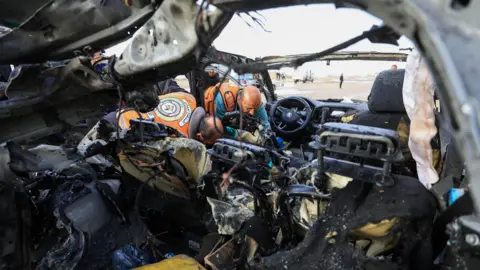
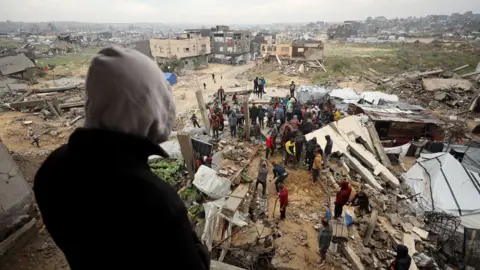
The protests underscore the dissatisfaction with the Israeli government's military strategy, particularly after a vote by the war cabinet to occupy Gaza City, a decision met with international condemnation, including a statement from the UN Security Council. In response, thousands have fled from their homes in the city, where relentless bombardments have created a dire humanitarian landscape.
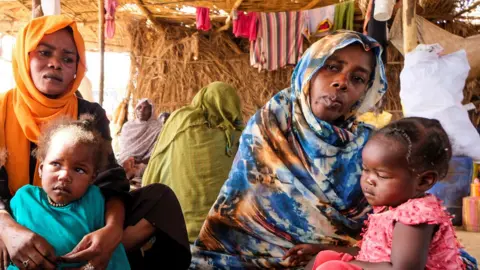
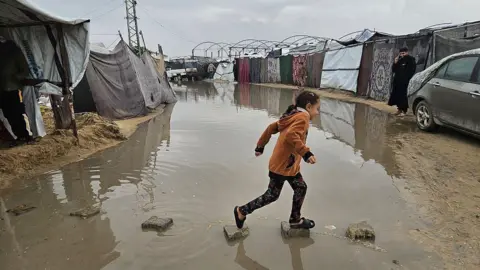
As tensions continue to rise, Israeli military officials have indicated plans to allow humanitarian supplies, such as tents, to be sent into Gaza to accommodate the massive displacement of nearly 1.9 million residents. However, the military has yet to confirm when operations will commence in Gaza City, leaving many residents' fates uncertain.
Statistics reveal the grave humanitarian cost of the conflict: over 61,000 Palestinians have died since hostilities erupted following Hamas's attack on October 7, which killed around 1,200 Israelis. The situation in Gaza remains dire, compounded by warnings of malnutrition and famine from international experts.
The protests in Israel represent a poignant call for a reassessment of military objectives and an urgent plea for humanity in the face of conflict while families continue to seek the return of their loved ones held in captivity. The future remains uncertain as the government navigates the treacherous waters of diplomacy amidst violent upheaval.