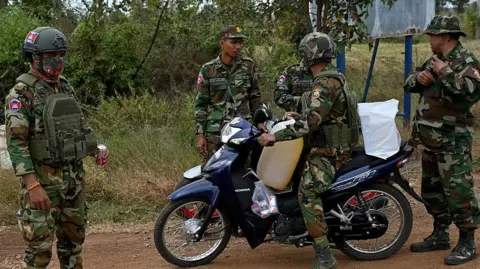
Cambodia has shut its border crossings with Thailand, as fighting continues between the two forces on Saturday despite US President Donald Trump earlier saying they had agreed to a ceasefire.
The crossings will be closed until further notice, according to Cambodia's interior ministry.
Earlier, Thai Prime Minister Anutin Charnvirakul said he told Trump a ceasefire would only be possible after Cambodia had withdrawn all its forces and removed landmines.
Thai officials said four soldiers were killed on Saturday, as both sides reported continued bombing and artillery exchanges. Cambodia has not been updating its military casualty figure.
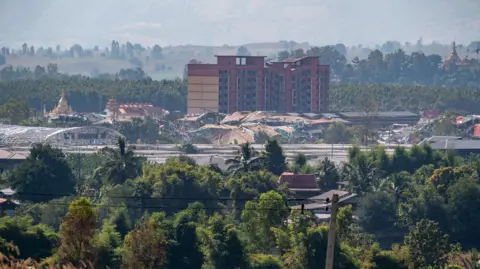
Cambodia's defence ministry reported that Thai fighter jets bombed hotel buildings and a bridge, while Thailand claimed several civilians had been injured in a Cambodian rocket attack.
The four deaths on Saturday bring Thailand's military death toll since Monday to 15, with 270 others injured. It added that six civilians had also been injured.
On Friday, Cambodia stated that at least 11 civilians had been killed and 59 others injured.
At least 700,000 people have been evacuated on both sides of the border.
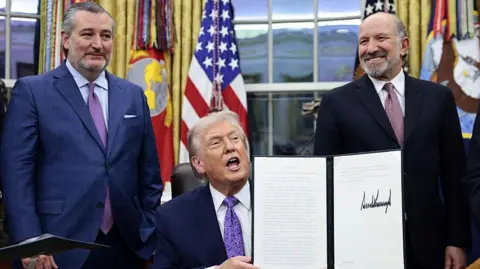
Trump had claimed earlier in the week that he could stop the fighting between Thai and Cambodian forces that broke out on Monday just by picking up the phone.
After speaking to both prime ministers on Friday night, he wrote on social media that the two countries had agreed to cease shooting effective this evening and return to the agreement signed in October.
However, after speaking with Trump, neither side mentioned an imminent ceasefire. Anutin emphasized that Thailand was not the aggressor and that Cambodia must demonstrate military withdrawal before a ceasefire could occur.
The Cambodian leadership stressed the need to protect their sovereignty amid ongoing conflict.
This week's hostilities have escalated since a barrage of rocket attacks launched by Cambodia, followed by air strikes from Thailand, affecting numerous provinces in both countries.
Both nations have been contesting their 800km land border for over a century, stemming from a colonial-era delineation.