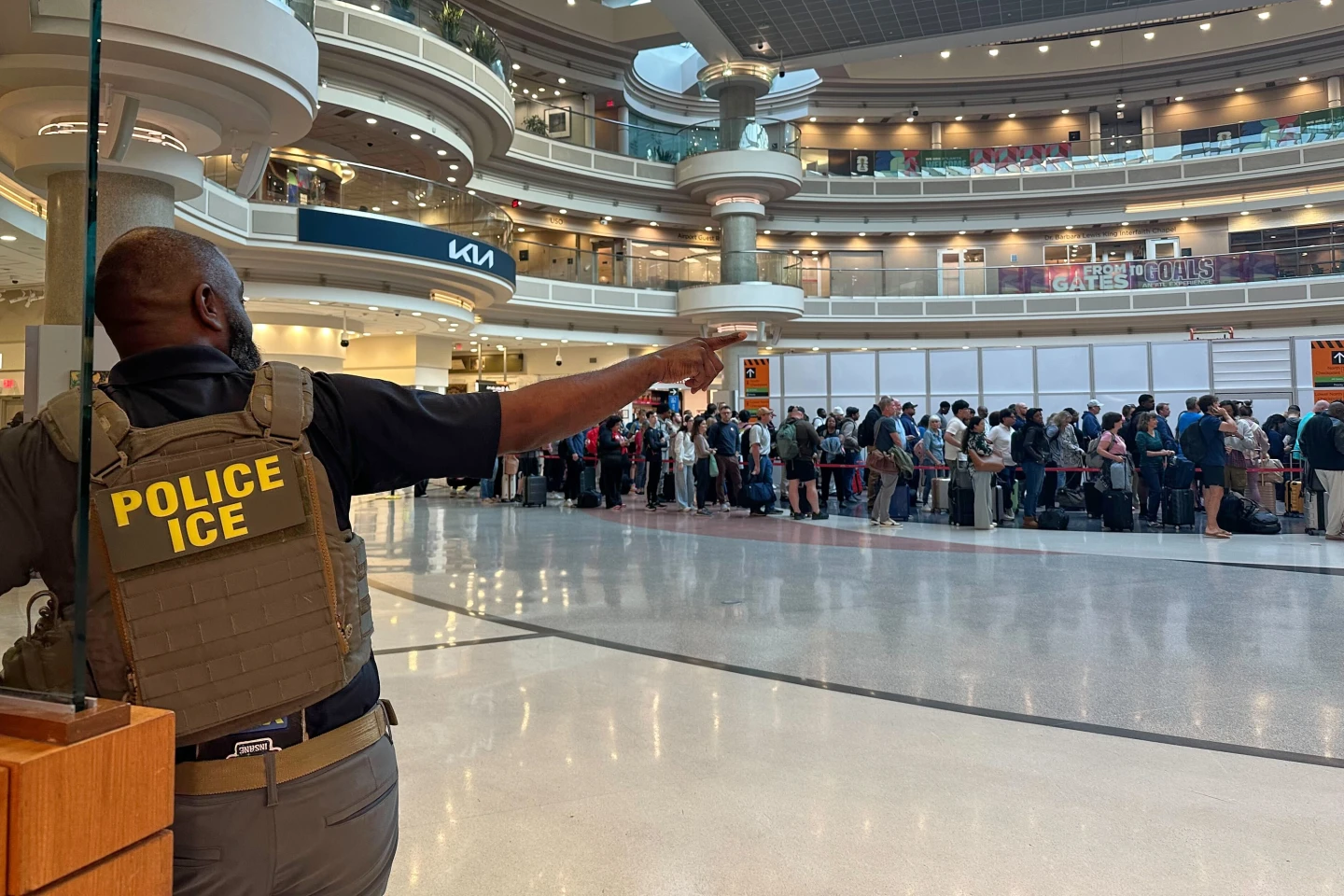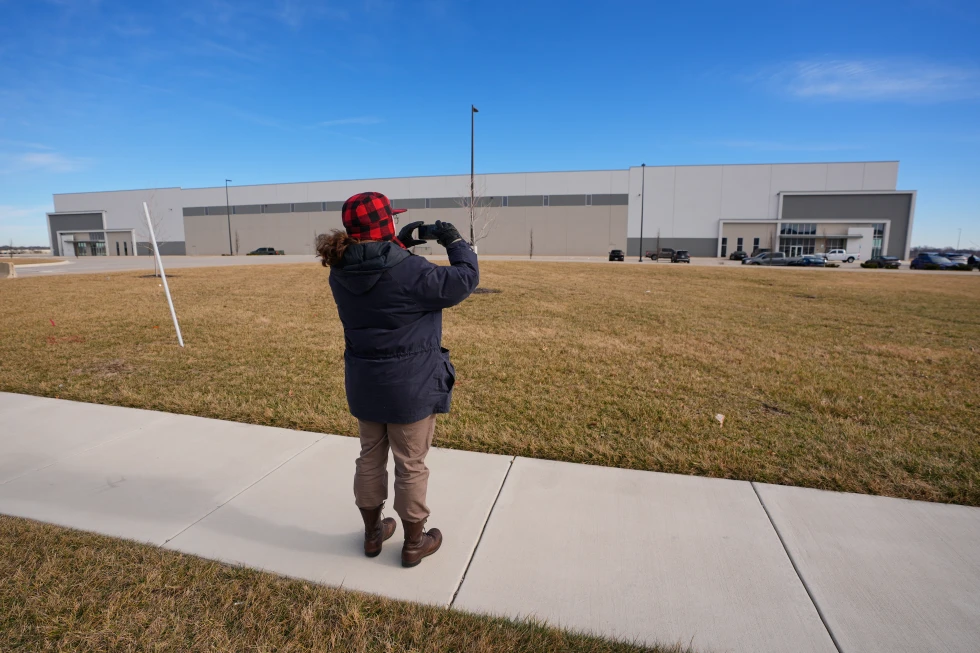
The expansion of immigration detention facilities throughout the United States has raised significant concerns among local communities, particularly indigenous populations who fear the implications of such developments on their rights and resources. The latest push from the federal government aims to explore new locations for these facilities amid ongoing scrutiny of existing ones.
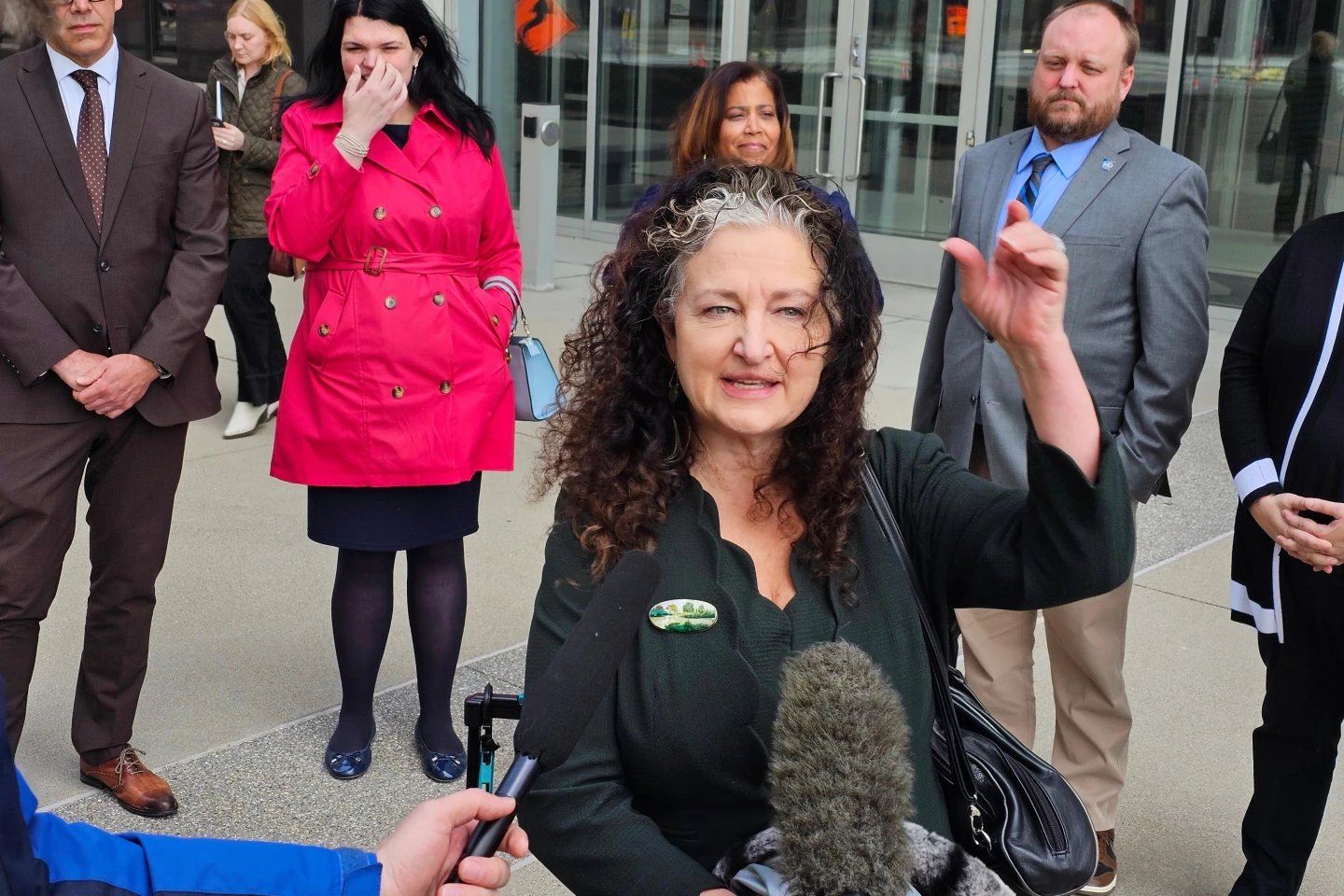
In recent public hearings, locals expressed their opposition to proposed ICE facilities, emphasizing the potential strain on already limited community resources. 'Building these detention centers could bring the very issues we see in other areas to our doorsteps,' stated Kimberly Matthews, a resident of Hanover County, Virginia.
Similar sentiments are echoed across the nation, with places like Kansas City and Salt Lake City taking steps to block or discourage the establishment of ICE facilities. A bill in New Mexico aims to halt cooperation with ICE for local detention agreements, marking a significant pushback from states with indigenous populations who have been historically marginalized by top-down policies.
As the number of detention sites nearly doubles under federal oversight, local governments are navigating both legal hurdles and community pressure. Despite some legislative victories, challenges remain as federal jurisdiction often limits local authority over such installations.
Advocacy groups are mobilizing support among indigenous communities to not only safeguard their rights but also to assert their agency in shaping the future of their lands and resources. 'Our communities must come together to forge pathways that respect our sovereignty,' said an indigenous leader from New Mexico, emphasizing the need for unity in resistance against the federal government's expansion plans.